Key takeaways
- Canbus/decoder compatibility: the maker lists whether a bulb includes a built-in decoder or canbus-compatible driver; vehicles known to be sensitive to this may need a bulb explicitly marketed as canbus-ready, sometimes with an added separate decoder/resistor.
- Bulb base/fitment code: automotive bulbs use standardized fitment codes (such as H11, 9005, H7, and similar), and the replacement bulb must match the vehicle’s specific original fitment exactly; a close-but-wrong code generally will not fit or seat correctly.
- Housing clearance: some LED bulbs with larger cooling fans or heat sinks don’t fit inside the stock headlight housing or dust cap on certain vehicles, which is why checking user fitment notes for the specific vehicle model matters.
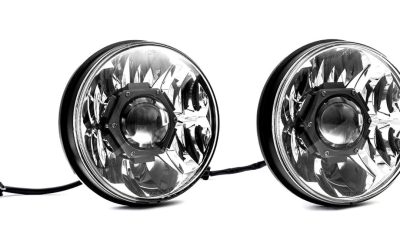
Choose a plug-and-play 12-volt LED headlight bulb with a built-in canbus-compatible driver for a modern vehicle that throws dashboard warnings with standard LED bulbs, a model with an integrated or external cooling fan for maximum brightness on an older vehicle without canbus concerns, and a fanless, compact-driver bulb for a vehicle with very tight space behind the headlight housing. LED headlight bulbs for 12-volt automotive use vary mainly in cooling method, light output, and electronic compatibility, and matching those to the specific vehicle matters more than brand reputation alone.
As an Amazon Associate, we earn from qualifying purchases made through links on this page.
Why Compatibility Matters More Than Brightness Specs
Many newer vehicles run onboard diagnostic (canbus) systems that monitor headlight electrical draw, and because LED bulbs draw less current than the halogen bulbs they replace, some vehicles misread this as a bulb failure and trigger a dashboard warning light or flickering. Reviewers and installer forums consistently flag canbus compatibility as the single most common complaint in LED headlight bulb reviews, more than brightness or color temperature, because a bulb that is otherwise excellent becomes a returned product if it trips dashboard errors.
- Canbus/decoder compatibility: the maker lists whether a bulb includes a built-in decoder or canbus-compatible driver; vehicles known to be sensitive to this may need a bulb explicitly marketed as canbus-ready, sometimes with an added separate decoder/resistor.
- Bulb base/fitment code: automotive bulbs use standardized fitment codes (such as H11, 9005, H7, and similar), and the replacement bulb must match the vehicle’s specific original fitment exactly; a close-but-wrong code generally will not fit or seat correctly.
- Housing clearance: some LED bulbs with larger cooling fans or heat sinks don’t fit inside the stock headlight housing or dust cap on certain vehicles, which is why checking user fitment notes for the specific vehicle model matters.
Cooling Method: Fan-Cooled vs. Fanless
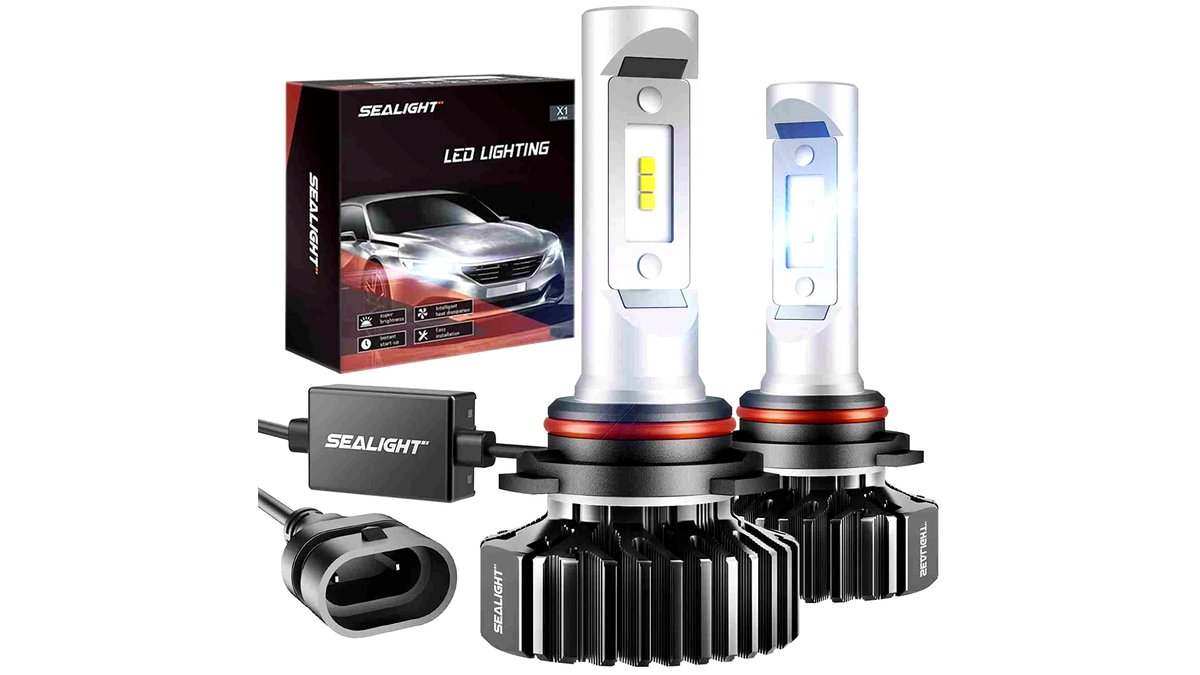
LED chips produce heat that must be managed to maintain brightness and lifespan, and automotive LED headlight bulbs handle this with either a small integrated cooling fan, a passive heat sink with no moving parts, or a combination of both.
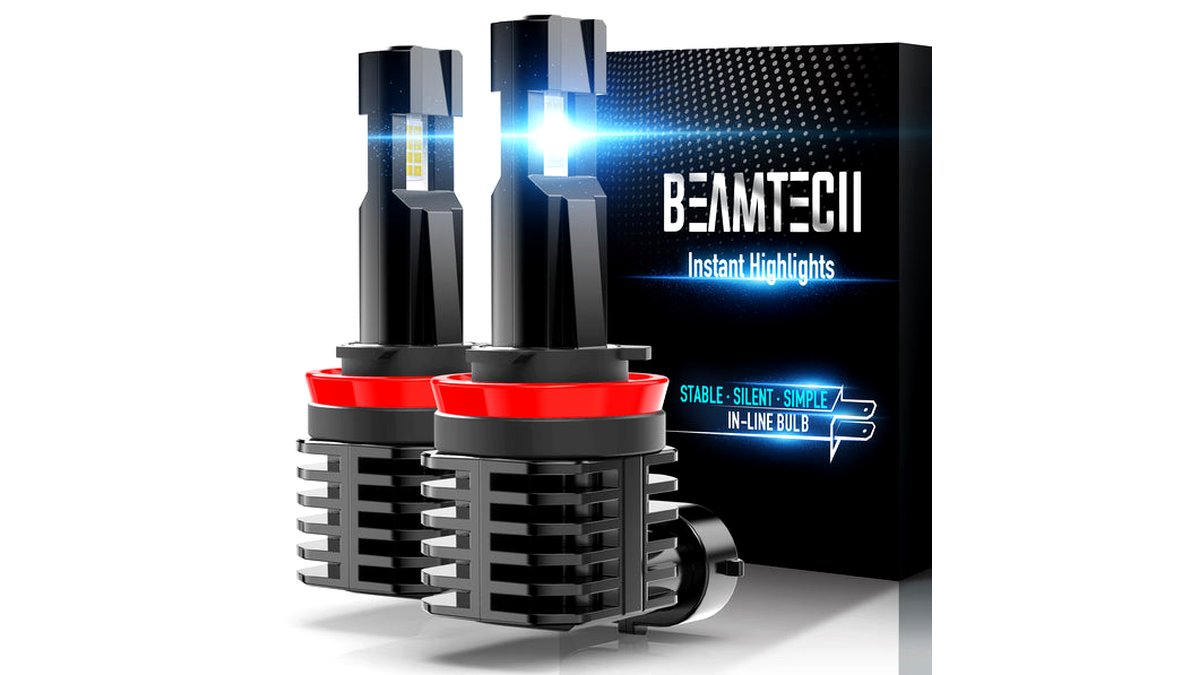
- Fan-cooled bulbs: generally support higher sustained brightness levels since active cooling manages heat more effectively, but add a moving part that can wear out or let in moisture if not sealed well, and some users report a faint fan noise.
- Fanless (passive heat sink) bulbs: have no moving parts to fail and tend to be more compact, but may run slightly dimmer at sustained high output compared to actively cooled equivalents, particularly in hot climates or engine bays that run warm.
Brightness and Color Temperature
Makers list output in lumens, and reviewers note that very high lumen claims on budget bulbs should be treated skeptically since testing by independent outlets has found some listed lumen figures don’t match measured output. Color temperature, measured in Kelvin, affects the tint of the light rather than brightness; a cooler white (higher Kelvin, often in the 5000-6500K range marketed for these bulbs) is common for LED headlight replacements, while lower Kelvin values trend more yellow and higher values trend more blue.
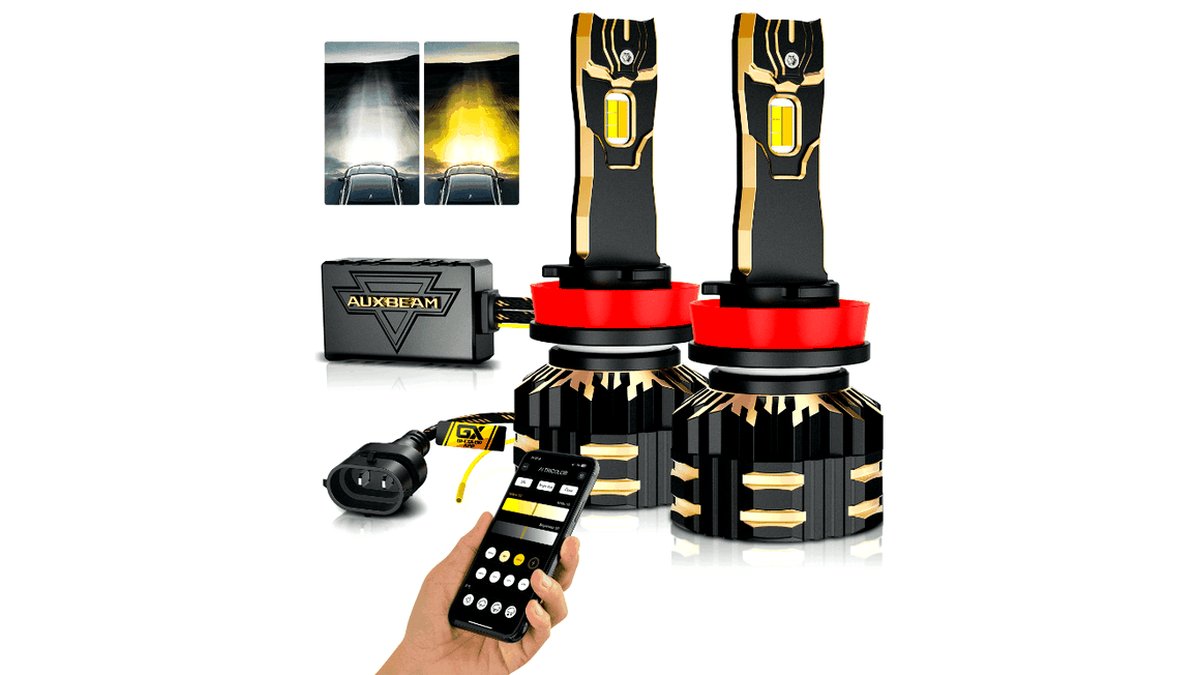
At a Glance
| Bulb Type | Best For | Key Stated Specs | Limits |
|---|---|---|---|
| Canbus-ready fan-cooled bulb | Modern vehicles with sensitive onboard diagnostics | Built-in canbus driver, active cooling fan | Slightly bulkier; fan is a moving part |
| Standard fan-cooled bulb (non-canbus) | Older vehicles without canbus warning issues | Active cooling, high sustained brightness | May trigger dashboard warnings on newer vehicles |
| Fanless compact bulb | Tight headlight housings, no moving parts preferred | Passive heat sink, compact driver base | Slightly lower sustained brightness than fan-cooled |
| Bulb with separate canbus decoder/resistor kit | Vehicles needing extra compatibility hardware | Add-on decoder wired inline with the bulb | Added wiring complexity; needs space to mount decoder |
| Dual-beam (H4/9004/9007-style) bulb | Vehicles with combined high/low beam in one housing | Dual-filament LED design for high/low beam switching | More complex design; fitment is less forgiving |
Pick X If…
| Situation | Recommended Pick |
|---|---|
| Your vehicle is a newer model with sensitive onboard electronics | A canbus-ready bulb explicitly marketed for that compatibility |
| You have an older vehicle with no history of warning lights | A standard fan-cooled bulb for maximum brightness |
| Your headlight housing has very little room behind the bulb | A fanless, compact-driver bulb |
| You already installed LED bulbs and got a dashboard warning | A canbus decoder/resistor kit added inline, or a canbus-ready bulb |
| Your vehicle uses a combined high/low beam housing | A dual-beam LED bulb matched to that exact fitment code |
Fit and Legal Notes
Confirm the exact bulb fitment code for the specific vehicle make, model, and year using the owner’s manual or a parts lookup tool, since the same model of car can sometimes use different fitment codes across trim levels or production years. In some regions, replacing halogen headlight bulbs with LED bulbs in a housing not originally designed or approved for LED light sources may not meet local vehicle lighting regulations; checking local rules before installation avoids a potential compliance issue, particularly for beam pattern and glare concerns affecting oncoming traffic.
Alternatives Worth Considering
- Quality halogen replacement bulb: for vehicles with known canbus sensitivity or housings not designed for LED beam patterns, a quality halogen bulb avoids compatibility and glare issues entirely, at the cost of lower brightness and shorter bulb life.
- HID/xenon conversion kit: an older alternative to LED, HID kits offer high brightness but involve a ballast and more complex installation; most installers now point to LED as the simpler upgrade path.
- Professional headlight housing upgrade: rather than retrofitting LED bulbs into a halogen-designed housing, some vehicle owners opt for installing projector-style headlight housings designed for LED or HID output, which better controls the beam pattern.
Frequently Asked Questions
Why do my new LED headlight bulbs trigger a dashboard warning light?
This typically happens because the vehicle’s onboard diagnostics detect the lower electrical draw of the LED bulb compared to the original halogen bulb and interpret it as a bulb failure. Choosing a bulb explicitly marketed as canbus-compatible, or adding a separate decoder/resistor kit, usually resolves this.
Do LED headlight bulbs fit in any headlight housing?
Not always; some LED bulbs have a larger cooling fan or heat sink section that doesn’t clear the dust cap or housing on certain vehicles, even when the bulb base fitment code matches. Checking fitment notes or reviews specific to the vehicle’s make and model before buying helps avoid this issue.
How long do 12-volt LED headlight bulbs typically last?
Makers commonly list LED headlight bulb lifespans in the tens of thousands of hours, substantially longer than a typical halogen bulb’s lifespan of around 1,000 hours. Actual lifespan in practice depends heavily on cooling effectiveness and the vehicle’s operating conditions, with poorly cooled bulbs in hot engine bays wearing out faster than the stated rating suggests.
Is it legal to install LED headlight bulbs in a halogen housing?
Rules vary by country and region, and in some places installing LED bulbs in a housing not designed or approved for them may not meet vehicle lighting regulations, particularly around beam pattern and glare to oncoming drivers. Checking local vehicle lighting law before installation is the safest approach.
Will fan-cooled LED bulbs let moisture into my headlight housing?
Quality fan-cooled bulbs are designed with sealed or water-resistant fan housings, and the maker typically lists an ingress protection (IP) rating indicating moisture resistance. Installing the bulb correctly with the headlight’s original seal or dust cap intact is important for keeping moisture out regardless of the bulb’s own sealing.
Can I install 12-volt LED headlight bulbs myself without a mechanic?
Many LED headlight bulbs are designed as a direct plug-and-play replacement for the original halogen bulb, and reviewers note the swap is often manageable for someone comfortable with basic car maintenance using the vehicle’s owner manual for bulb access instructions. Vehicles with difficult-to-access headlight housings or vehicles requiring a canbus decoder installation may be better suited to a professional installer.