Key takeaways
- Homeowners who want a fixture that simply turns on at dusk and off at dawn without any wiring changes are generally best served by a standard porch or security light with a built-in photocell sensor, while anyone wanting motion-triggered brightness…
Homeowners who want a fixture that simply turns on at dusk and off at dawn without any wiring changes are generally best served by a standard porch or security light with a built-in photocell sensor, while anyone wanting motion-triggered brightness on top of dusk-to-dawn operation should look specifically for a combined motion-and-photocell fixture. The right choice depends mainly on whether constant dusk-to-dawn light or motion-activated brightness is the actual goal.
As an Amazon Associate, we earn from qualifying purchases made through links on this page.
How Photocell Outdoor Lights Work
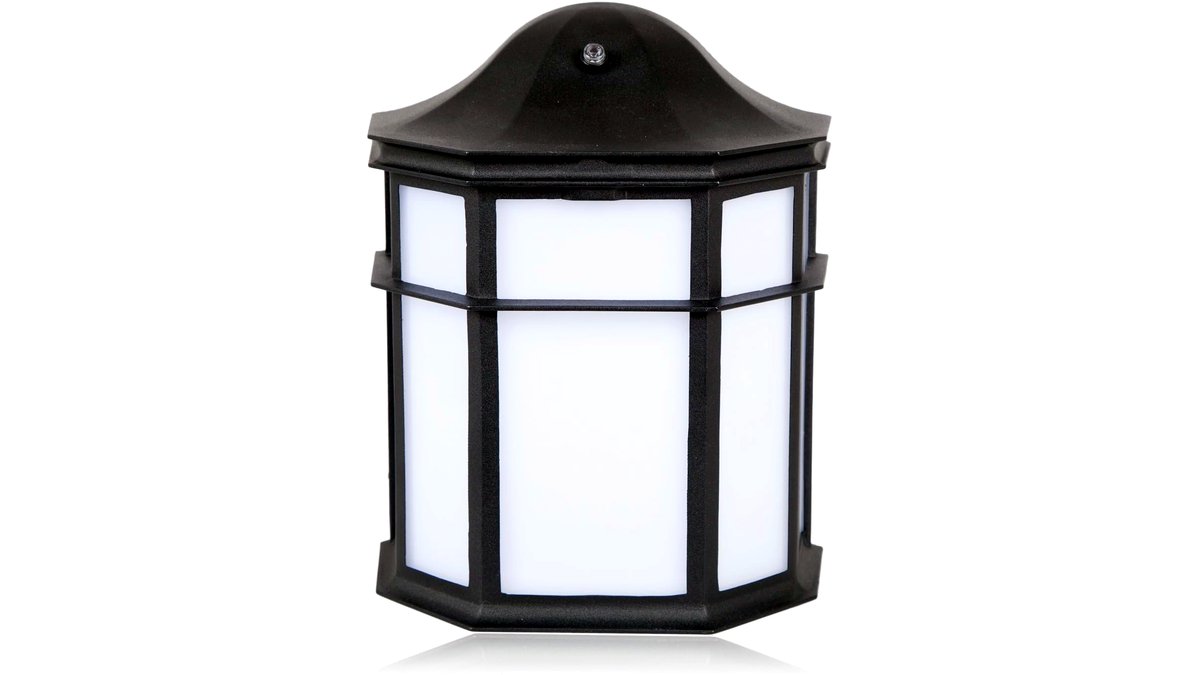
A photocell is a small light sensor built into the fixture that detects ambient light levels and switches the light on as it gets dark and off as daylight returns, without needing a separate timer or smart switch. This is different from a motion sensor, which reacts to movement rather than ambient light, though many fixtures now combine both: photocell for dusk-to-dawn base lighting and motion detection to boost brightness or trigger a brighter mode when someone approaches.
Outdoor fixtures in this category span wall-mount porch lights, flood lights, and dedicated security lights, and the photocell can either be built into the fixture itself or wired as a separate add-on sensor that controls an existing light. Built-in photocell fixtures are simpler to install since there’s one unit and one connection, while separate photocell sensors let a homeowner add dusk-to-dawn function to an existing light that didn’t originally have one.
LED Dusk-to-Dawn Fixtures
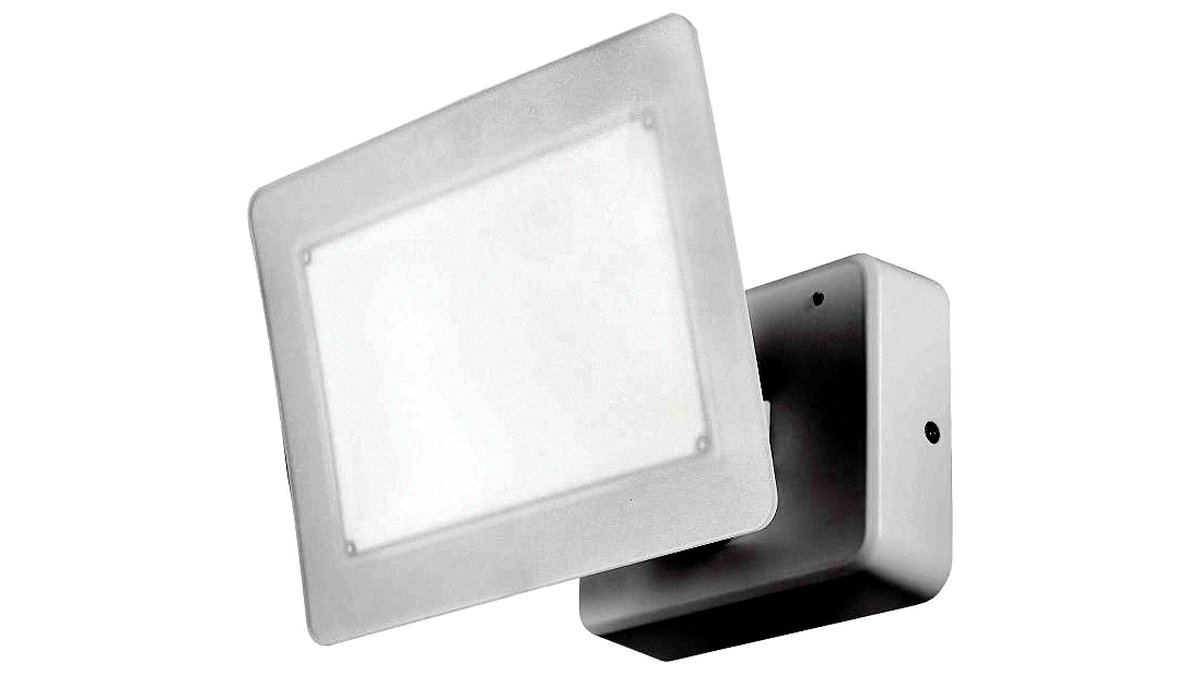
Many current outdoor lights use integrated LED light sources rather than a replaceable bulb, with brands such as Honeywell, Westinghouse, Globe Electric, and Maxxima offering LED wall and flood fixtures that the makers list as including a built-in photocell for automatic dusk-to-dawn operation. These tend to be marketed on lower running cost and long-rated LED lifespan compared with older incandescent or CFL security lights, and manufacturers typically state a specific lumen output and color temperature (measured in Kelvin) that buyers can compare across models.
Motion-and-Photocell Security Lights
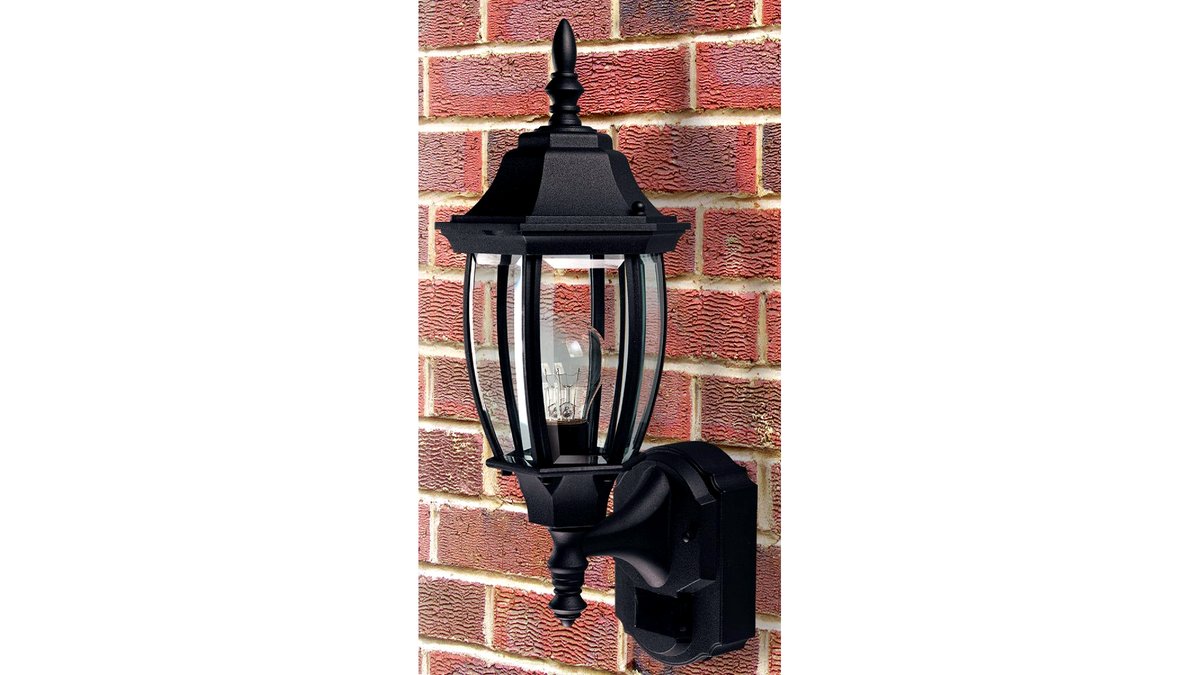
Security-focused brands such as Heath Zenith and various LED flood light makers offer fixtures that combine a photocell (so the light only arms at night) with a motion sensor (so it brightens or activates fully only when movement is detected), which the makers generally describe as a way to balance security coverage with energy use. These fixtures typically list an adjustable motion sensitivity and detection range, along with a separate time-delay setting for how long the light stays on after triggering.
At a Glance Comparison
| Option | Best For | Key Stated Specs | Limits |
|---|---|---|---|
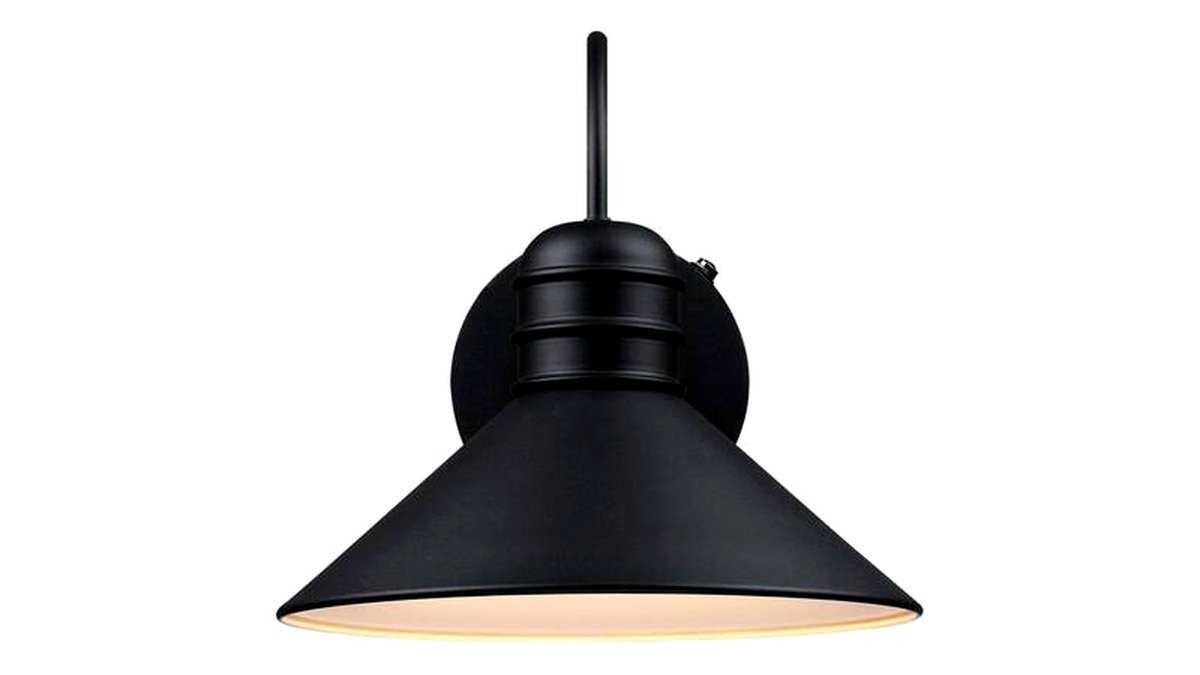
| Built-in photocell LED wall/porch light | Simple automatic dusk-to-dawn porch or entry lighting | Integrated LED source, stated lumen output and color temperature per maker | No motion-boost feature; fixed brightness after dusk |
| Built-in photocell LED flood light | Wider-area dusk-to-dawn coverage (driveways, yards) | Higher stated lumen output than standard porch fixtures | Bulkier fixture profile than standard wall lights |
| Motion-and-photocell security light | Buyers wanting security-triggered brightness at night only | Adjustable motion sensitivity, range, and time delay per maker | More settings to configure correctly; false triggers possible from pets or trees |
| Add-on photocell sensor (separate component) | Adding dusk-to-dawn function to an existing fixture | Screw-in or wired sensor module per maker’s listing | Requires compatible fixture and correct wiring |
Fit, Installation, and Compatibility Notes
Confirm whether the fixture is designed to replace an existing outdoor light at the same electrical box or whether it needs a different mounting configuration, since porch, flood, and security lights don’t always share the same mounting pattern. Any fixture that requires connecting to household wiring, rather than being a plug-in unit, should be installed following the manufacturer’s manual, with the circuit breaker off during installation; if there’s any uncertainty about the home’s wiring or the fixture isn’t a simple like-for-like swap, hiring a licensed electrician is the safer route. Check the fixture’s weather rating (commonly listed as wet-location rated) to confirm it’s suitable for its intended mounting location, especially under open eaves versus fully exposed walls.
Energy Use and Brightness Expectations
Because photocell fixtures run every night from dusk to dawn, energy use adds up over a full year even though LED fixtures draw relatively little power individually. Manufacturers typically list a wattage figure alongside the lumen output, and comparing the two together gives a sense of efficiency: a higher lumen-per-watt figure means more brightness for the same running cost. Buyers trying to reduce the fixture’s overnight energy use sometimes pair a photocell-only light with a motion sensor add-on so it stays dim until movement is detected, rather than running at full brightness all night.
Stated lumen output is useful for comparing models but doesn’t always translate directly to how bright an area will actually look, since beam angle, mounting height, and the color of nearby surfaces all affect perceived brightness. A narrower beam concentrates light more intensely in one area, while a wider beam spreads the same lumen output over more ground at lower intensity per square foot. For entryways, a moderate, evenly spread light is usually more comfortable than a narrow, glare-prone beam, while driveways and larger yards often benefit from the wider coverage a flood-style fixture provides.
Color temperature, listed in Kelvin, also affects how a space feels at night. Lower Kelvin values (around 2700-3000K) produce a warmer, yellowish light often preferred for front entries and porches, while higher Kelvin values (4000K and above) produce a cooler, bluish-white light more commonly used for security and utility lighting where maximum visibility matters more than ambiance.
Pick X If… Decision Table
| If you… | Pick |
|---|---|
| Just want a porch light that comes on automatically at dusk | A built-in photocell LED wall light |
| Need to light a wider area like a driveway or yard | A built-in photocell LED flood light |
| Want extra brightness triggered by movement, but only after dark | A motion-and-photocell security light |
| Already have a light fixture you like and just want to add dusk-to-dawn function | An add-on photocell sensor module |
Alternatives Worth Considering
Buyers who want more control over timing and brightness, such as scheduling or remote on/off from a phone, might prefer a smart outdoor light or smart switch instead of a simple photocell fixture, trading some simplicity for more customization. Those without access to existing outdoor wiring sometimes opt for solar-powered dusk-to-dawn fixtures, which skip the photocell-and-wiring approach entirely but depend on adequate daily sun exposure to recharge. Renters or anyone wanting a non-permanent option may prefer a battery-powered or solar motion light that mounts without any hardwired connection at all.
Frequently Asked Questions
Why does my photocell light sometimes turn on during the day?
This usually happens when the sensor is shaded or blocked by nearby objects, dirt, or debris, causing it to misread ambient light levels. Cleaning the sensor and confirming it has a clear view of the sky generally resolves the issue; if it persists, the sensor itself may need replacement.
Can I add a photocell to a light that doesn’t already have one?
Yes, add-on photocell sensor modules are designed for this, either as a screw-in component between the bulb and socket or as a separate wired sensor, depending on the product. Compatibility with the existing fixture’s wiring and bulb type should be confirmed before buying.
How long do LED dusk-to-dawn fixtures typically last?
Manufacturers commonly state LED lifespans in tens of thousands of hours, which translates to many years of typical nightly use before the light source needs replacement. Actual lifespan can vary with weather exposure and electrical conditions, so checking the specific maker’s stated rating is the most reliable figure.
Is it safe to install an outdoor light fixture myself?
Many homeowners safely swap a like-for-like fixture at an existing electrical box by following the manufacturer’s instructions and turning off the circuit breaker first. If the wiring configuration is unfamiliar, the existing box lacks a ground wire, or any part of the job feels uncertain, a licensed electrician should handle the installation.
What’s the difference between a photocell light and a motion-sensor light?
A photocell light turns on based on ambient darkness and stays on until daylight returns, while a motion-sensor light reacts to movement and typically turns off after a set delay regardless of light level. Combined fixtures use the photocell to arm the motion sensor only after dark, which saves energy compared with a motion sensor that’s active all day.
Do photocell sensors wear out over time?
Yes, like any electronic component, photocell sensors can degrade or fail after extended outdoor exposure to weather and temperature swings. If a fixture stops responding correctly to light changes despite a clean sensor, replacing the sensor or fixture is generally the next step.