Key takeaways
- Hex (Allen) keys in common bike sizes. Most bolts on a modern bike use 2mm-10mm hex keys, with 4mm, 5mm, and 6mm covering the majority of everyday adjustments (seatpost, stem, brake calipers, disc rotors).
- Torx bits. Many disc brake rotors, some stem bolts, and certain component bolts use Torx (commonly T10, T25, T30) rather than hex, so a kit without Torx bits can leave specific bolts inaccessible.
- Tire levers and a pump or CO2 inflator. For flat repair specifically, levers to remove the tire bead and a way to reinflate are the two non-negotiable tools, independent of everything else in a kit.
- Chain tool. Needed for breaking and rejoining a chain, whether repairing a damaged link roadside or replacing a worn chain at home; chain tools vary by compatibility with different speed counts (e.g., 11-speed vs. 12-speed chains can have different pin/plate tolerances).
- Torque wrench or torque-limiting tool. Carbon components (handlebars, seatposts, some frames) have specific torque limits where overtightening can crack the part; a torque wrench matters more for anyone working on carbon components than it does for an all-aluminum bike.
- Spoke wrench. Sized to the specific spoke nipple dimension on a given wheel, used for minor wheel truing and tension adjustments.
A rider who just wants to handle roadside flats and minor adjustments is well served by a compact multi-tool plus a mini pump and tire levers, while anyone doing home maintenance (brake and derailleur tuning, chain replacement, bottom bracket service) needs a fuller home workshop kit with torque-specific and bike-specific tools; the right kit depends on whether the tools need to fit in a jersey pocket or sit on a home workbench.
As an Amazon Associate, we earn from qualifying purchases made through links on this page.
What a Bike Repair Kit Actually Needs to Cover
Modern bikes mix standard hex/Torx fasteners with bike-specific tools for components that don’t use generic hardware. A well-matched kit generally covers:
- Hex (Allen) keys in common bike sizes. Most bolts on a modern bike use 2mm-10mm hex keys, with 4mm, 5mm, and 6mm covering the majority of everyday adjustments (seatpost, stem, brake calipers, disc rotors).
- Torx bits. Many disc brake rotors, some stem bolts, and certain component bolts use Torx (commonly T10, T25, T30) rather than hex, so a kit without Torx bits can leave specific bolts inaccessible.
- Tire levers and a pump or CO2 inflator. For flat repair specifically, levers to remove the tire bead and a way to reinflate are the two non-negotiable tools, independent of everything else in a kit.
- Chain tool. Needed for breaking and rejoining a chain, whether repairing a damaged link roadside or replacing a worn chain at home; chain tools vary by compatibility with different speed counts (e.g., 11-speed vs. 12-speed chains can have different pin/plate tolerances).
- Torque wrench or torque-limiting tool. Carbon components (handlebars, seatposts, some frames) have specific torque limits where overtightening can crack the part; a torque wrench matters more for anyone working on carbon components than it does for an all-aluminum bike.
- Spoke wrench. Sized to the specific spoke nipple dimension on a given wheel, used for minor wheel truing and tension adjustments.
Kit Types and Who They Suit
Compact Multi-Tools
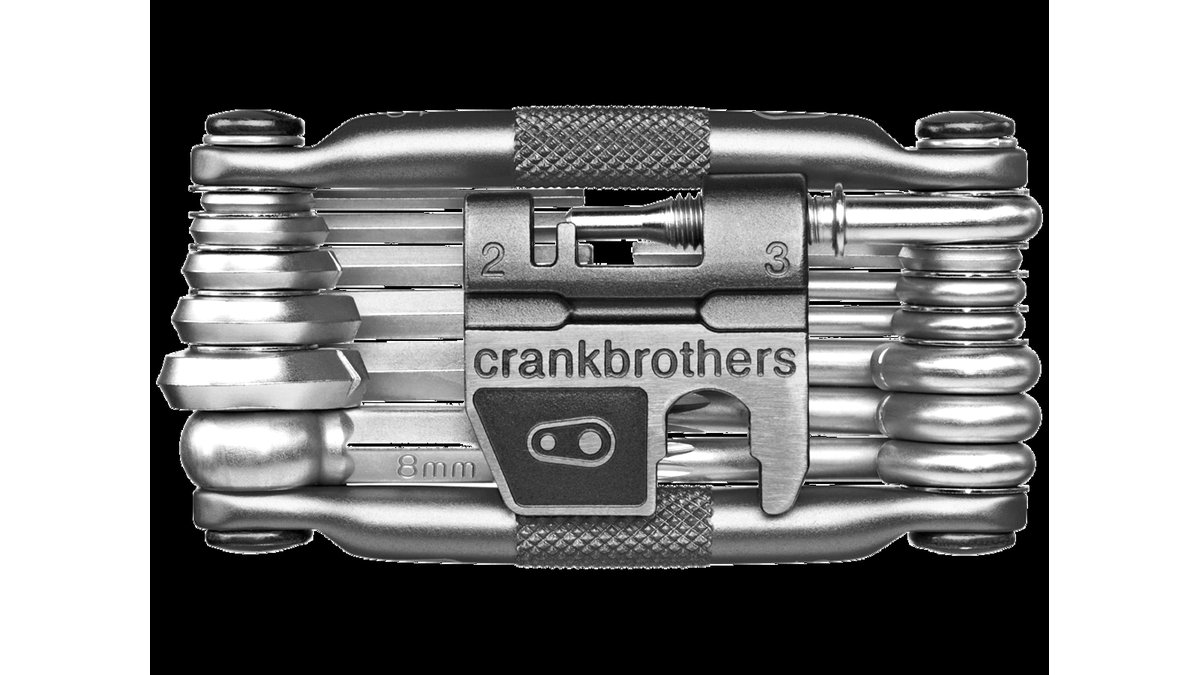
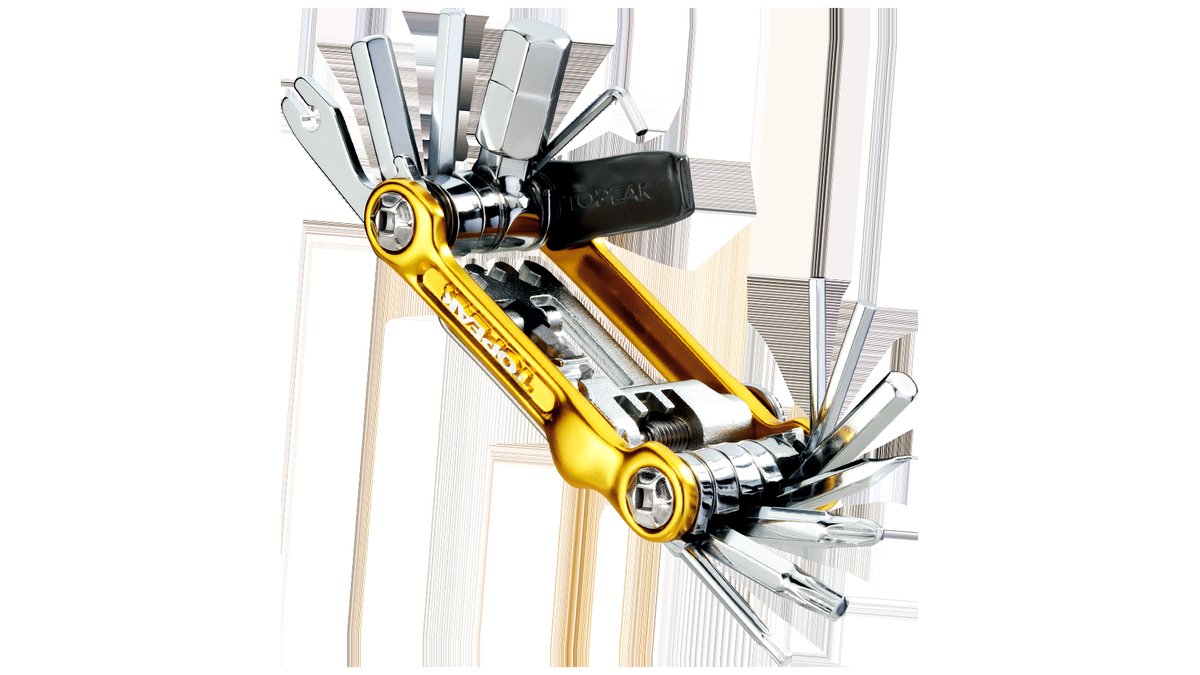
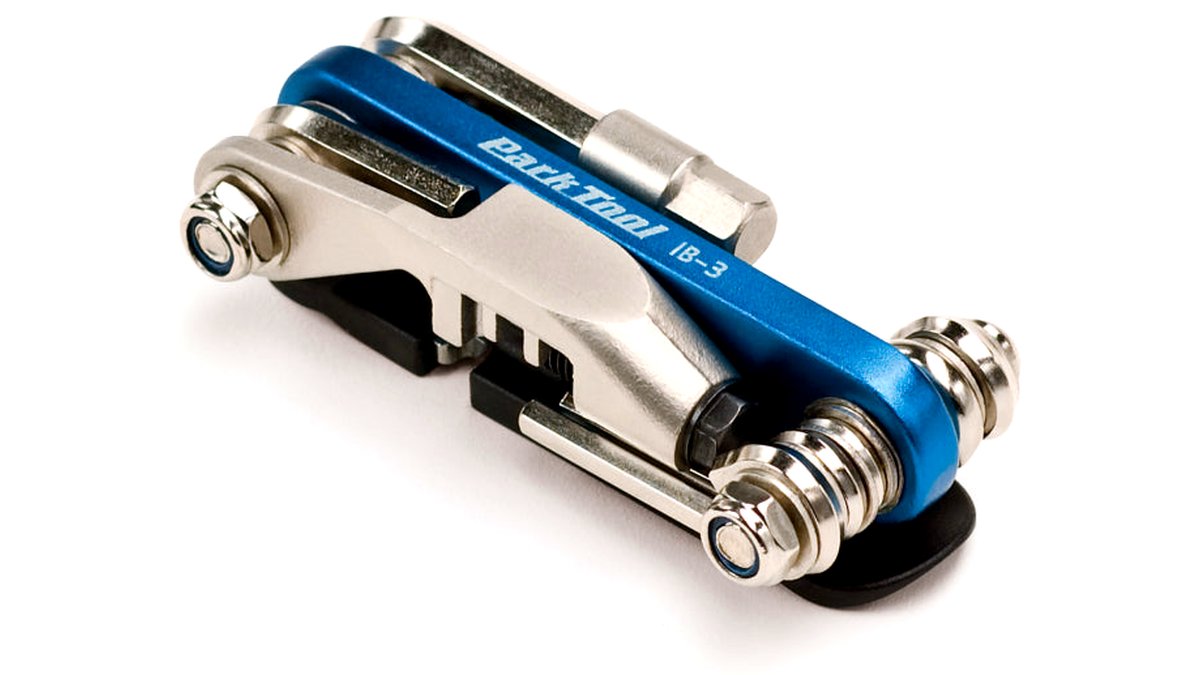
Folding or compact multi-tools pack several hex sizes, screwdriver bits, and sometimes a chain tool into a pocket-sized unit, designed to ride along in a saddle bag or jersey pocket. These suit riders mainly looking to handle on-the-road adjustments and emergency repairs, not full home maintenance. The tradeoff is that compact tool handles generally can’t deliver as much torque or precision as full-size tools.
Flat-Repair Kits (Levers, Pump/CO2, Patch Kit or Spare Tube)
Focused narrowly on the most common roadside failure, these kits pair tire levers with either a mini pump, CO2 inflator and cartridges, or both, plus a patch kit or spare tube. Riders who carry a multi-tool separately often still carry this as its own dedicated kit, since flats are the most frequent repair need.
Home Workshop Tool Kits (Boxed Sets)
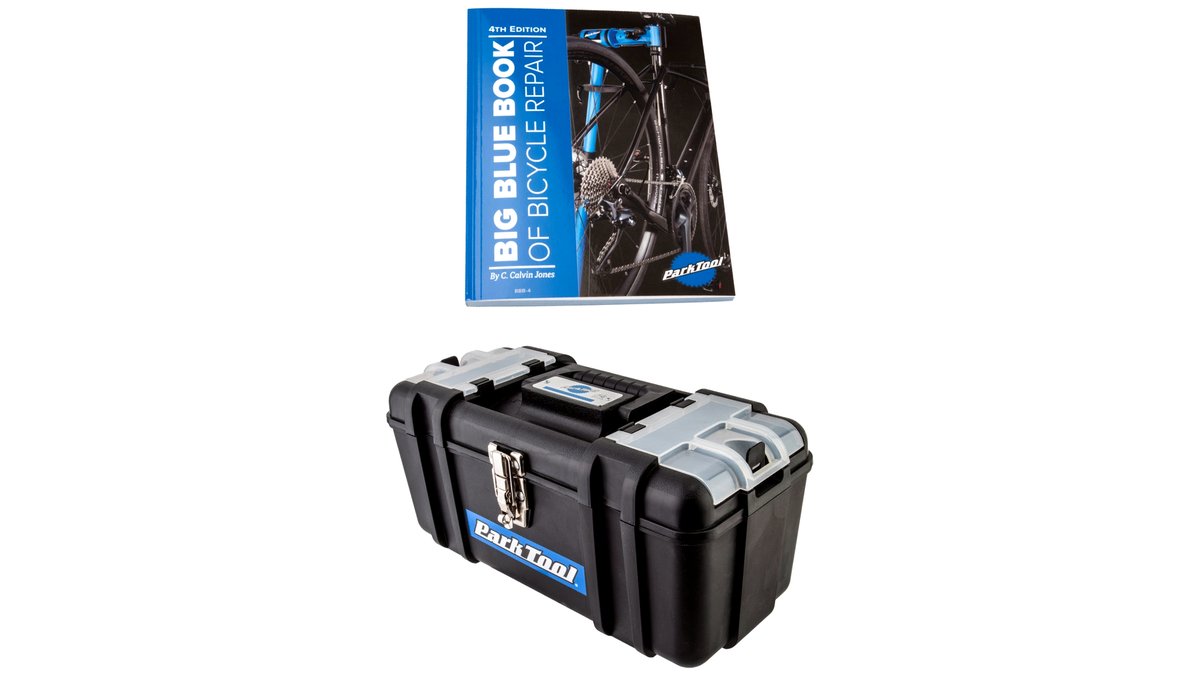
Bike-specific boxed tool sets bundle a fuller range of hex keys, Torx bits, a chain tool, cable cutters, a pedal wrench, and sometimes a torque wrench into one case, aimed at home mechanics doing their own tune-ups, brake bleeds, or component swaps rather than just emergency fixes. These are heavier and bulkier by design, meant to stay at home rather than travel with the bike.
Torque Wrench Sets
Dedicated bike-specific torque wrenches (often pre-set click-style or adjustable-dial models covering a lower torque range than automotive torque wrenches) matter most for carbon fiber components and any bolt with a stated torque spec from the component maker. These are frequently sold as standalone tools or small sets rather than bundled into general multi-tools.
Specialty Bottom Bracket and Cassette Tools
Bottom brackets and cassettes use proprietary tool interfaces that vary by brand and standard (e.g., different bottom bracket types require different-shaped tools), so these are generally bought separately once a specific bike’s component standards are known, rather than included in general kits. Anyone planning to service these parts at home needs to match the tool to the bike’s exact component spec, not just buy a generic “bottom bracket tool.”
Electric/Cordless Tool Adapters for Bike Maintenance
Some riders use cordless drill/driver adapters with bike-specific bits for faster work on repetitive tasks (like removing many bolts during a full strip-down), though torque-sensitive bolts (especially carbon) still need a manual torque wrench rather than a power tool to avoid overtightening.
| Type | Best For | Key Stated Specs | Limits |
|---|---|---|---|
| Compact multi-tool | Roadside adjustments, carry-along use | Multiple hex sizes, folds to pocket size | Lower torque/leverage than full-size tools |
| Flat-repair kit | The single most common roadside failure | Levers + pump/CO2 + patch kit or tube | Doesn’t cover other mechanical issues |
| Home workshop boxed set | Full home maintenance and tune-ups | Wide hex/Torx range, chain tool, cable cutters | Bulky, not meant to travel with the bike |
| Torque wrench set | Carbon components, spec-sensitive bolts | Bike-range torque settings (low Nm range) | Single-purpose, doesn’t replace a full kit |
| Specialty BB/cassette tools | Bottom bracket and cassette service | Proprietary fit per component standard | Must match the bike’s exact component spec |
| Cordless adapter + bits | Faster repetitive bolt removal at home | Standard drill chuck compatible bit sets | Not for torque-sensitive carbon bolts |
Compatibility and Fit Notes
Before buying any kit, checking the bike’s specific fastener sizes (stamped near the bolt heads on most components) avoids ending up with a kit that’s missing the one size actually needed; road, mountain, and e-bikes increasingly mix hex and Torx fasteners rather than using hex exclusively. Disc brake rotor bolts are a common Torx-only spot that a hex-only multi-tool will miss entirely. For chain tools, matching compatibility to the bike’s speed count matters, since narrower modern chains (12-speed and some 11-speed) can require a chain tool rated for those tighter tolerances rather than an older universal tool. Torque specs for carbon parts are generally printed in the component’s own manual or stamped on the part, and following that number rather than a generic “snug” tightening standard matters most for carbon handlebars, seatposts, and stems.
Pick This If…
| Situation | Pick |
|---|---|
| Mainly need to handle rides and emergency roadside fixes | A compact multi-tool plus a separate flat-repair kit |
| Want to cover the single most likely failure specifically | A dedicated flat-repair kit |
| Doing full tune-ups, brake and derailleur adjustments at home | A home workshop boxed tool set |
| Bike has carbon components with stated torque limits | A bike-specific torque wrench set |
| Planning to service the bottom bracket or cassette | Component-matched specialty tools, bought separately |
| Doing frequent repetitive bolt work on multiple bikes | A cordless adapter and bit set alongside a manual torque wrench |
Alternatives Worth Considering
- Buying tools individually instead of a boxed set: for riders who already own some general hand tools, filling gaps with bike-specific individual tools (chain tool, spoke wrench, torque wrench) can avoid paying for duplicate hex keys already on hand.
- Bike shop service instead of a home kit: for less mechanically inclined riders, paying a shop for tune-ups and reserving a minimal roadside kit for emergencies avoids the upfront cost and learning curve of a full home kit.
- Tool-sharing or community bike co-op access: some areas have community bike shops offering tool access and guidance for a fee or membership, which can substitute for owning a full home kit.
Frequently Asked Questions
What’s the minimum kit I should carry on every ride?
Most cycling guides suggest at minimum a multi-tool with common hex sizes, tire levers, a way to reinflate a tube (mini pump or CO2 with cartridges), and either a patch kit or spare tube. This covers the two most frequent roadside issues (minor bolt adjustments and flats) without requiring a full home workshop kit.
Do I really need a torque wrench if my bike doesn’t have carbon parts?
A torque wrench is less critical on an all-aluminum or steel bike, where overtightening is less likely to crack a component, though it can still help avoid stripped threads or uneven clamping on stems and seatposts. Carbon components make a torque wrench considerably more important, since cracking from overtightening is a documented failure mode the component makers specifically warn against.
Why does my multi-tool not fit all the bolts on my bike?
Many multi-tools only include hex sizes and skip Torx bits, which modern bikes increasingly use for disc rotor bolts and some other fasteners; a bike with Torx hardware will need a tool that specifically includes those bits. Checking the bolt heads on the bike against the tool’s included sizes before relying on it for a repair avoids this gap.
Can I use a generic hardware-store chain tool instead of a bike-specific one?
Bicycle chains have specific pin and plate dimensions that differ from general hardware chain, and a generic chain tool not designed for bike chains can damage the chain or fail to properly rejoin it. Bike-specific chain tools are also generally sized for a particular range of speed counts, so matching the tool to the chain’s speed rating matters even within bike-specific tools.
How do I know which bottom bracket tool my bike needs?
Bottom bracket tool compatibility depends on the specific bottom bracket standard installed on the bike (several different standards exist across brands and bike ages), which is generally identified by inspecting the bottom bracket itself or checking the bike or component manufacturer’s documentation. Buying a bottom bracket tool before confirming the exact standard risks purchasing the wrong tool entirely.
Is it worth buying a boxed tool set versus individual tools?
A boxed set is generally more cost-effective if most of the included tools will actually be used, and it ensures compatible sizing across the set; buying individually makes more sense for filling specific gaps when some tools are already owned. Reviewing a boxed set’s included tool list against what the bike actually needs avoids paying for tools that will sit unused.