Key takeaways
- Clubhead forgiveness level: larger, perimeter-weighted heads forgive off-center hits better; smaller, compact heads offer more control but less forgiveness.
- Shaft flex: matching shaft flex to swing speed affects both distance and shot consistency; a shaft too stiff or too flexible for a given swing speed can hurt accuracy.
- Left-handed model availability: not every club in a lineup ships in a left-handed configuration; confirming availability before building a full bag around one brand avoids gaps.
- Set composition: complete sets bundle irons, woods, and sometimes a putter; buying individual components allows more customization but costs more to assemble piece by piece.
- Grip size: grip size affects hand position and shot shape tendencies; most sets ship with a standard grip that can be swapped if needed.
- Loft gapping between clubs: consistent distance gaps between clubs in a set matter for shot planning; mixing brands across a bag can create distance gaps or overlaps.
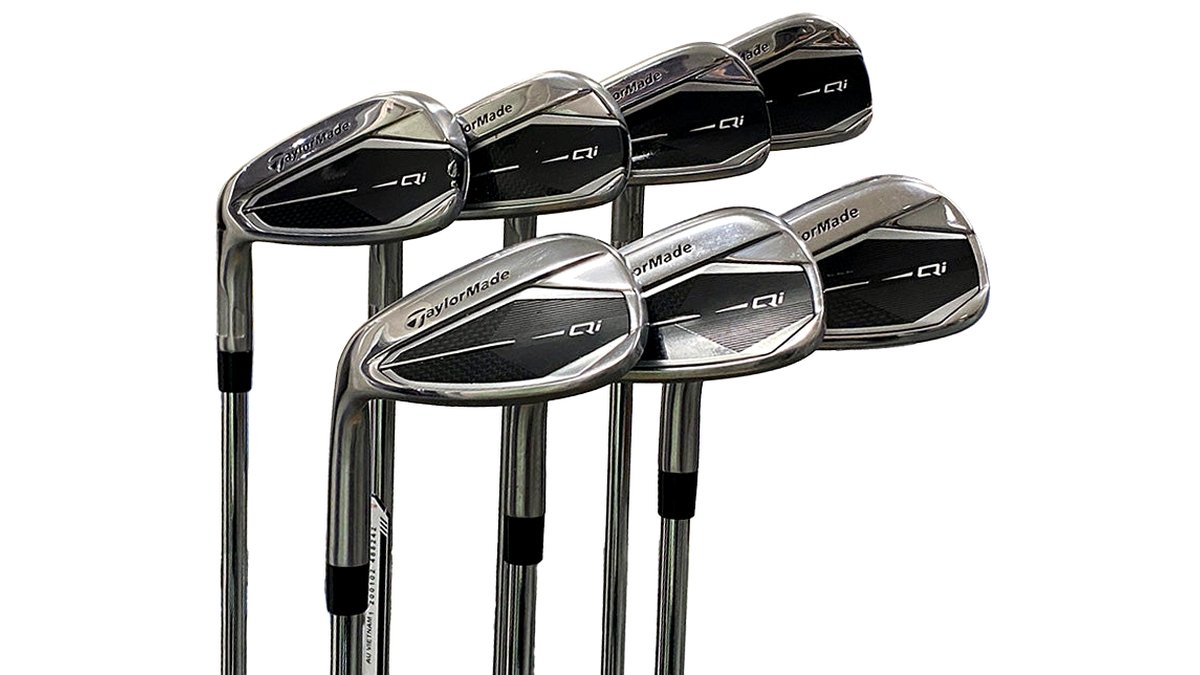
A left-handed game-improvement iron set suits beginner and mid-handicap golfers wanting forgiveness on off-center hits, a left-handed players’ distance or tour-style iron set suits lower-handicap golfers wanting more feel and control, and a left-handed complete starter set suits total beginners building a bag from scratch; the right pick depends on handicap level and how much the limited left-handed selection narrows the field.
As an Amazon Associate, we earn from qualifying purchases made through links on this page.
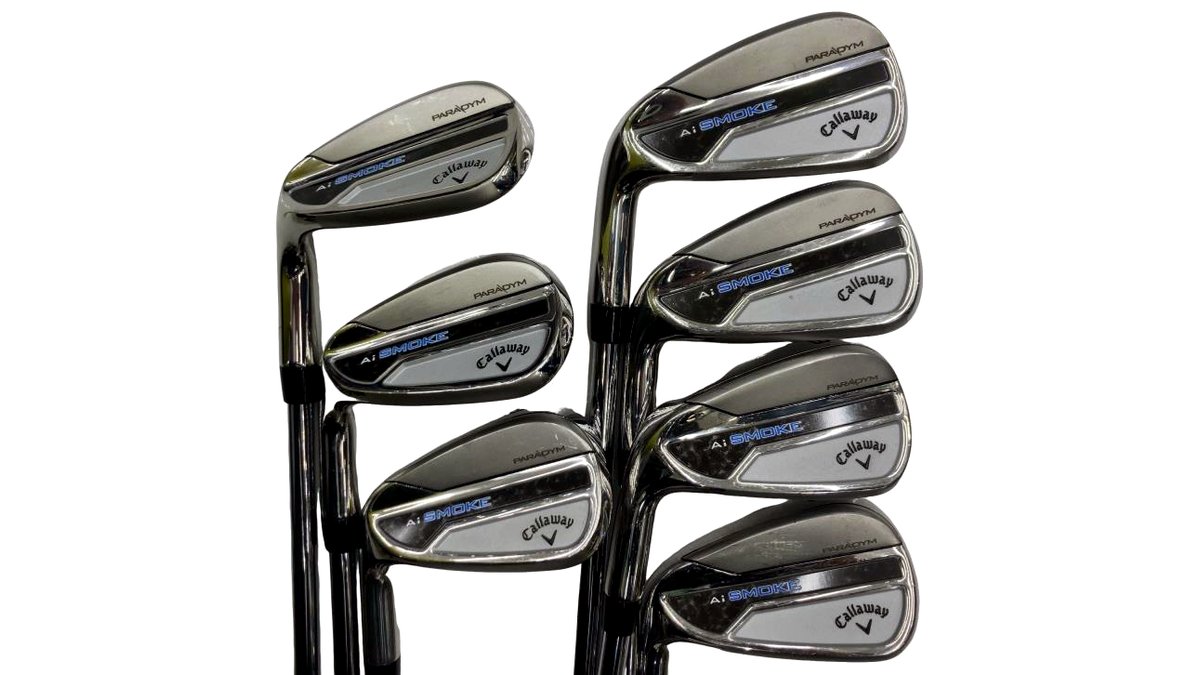
Left-handed golfers face a genuinely smaller selection than right-handed players across nearly every club category, since manufacturers produce fewer left-handed configurations and some models skip left-handed production entirely. That narrower selection makes it more important to get fitting basics right, shaft flex, lie angle, and grip size, since there may be fewer alternative models to switch to if a club doesn’t suit a particular swing. Picking clubs by skill level and swing speed first, then checking left-handed availability within that category, is a more reliable approach than starting from a specific model name.
Who Should Buy Which Type
Beginners and high-handicap golfers benefit most from game-improvement irons, which use a larger clubhead, wider sole, and perimeter weighting to add forgiveness on off-center strikes, a common issue while a swing is still developing. Mid-handicap golfers who have outgrown pure forgiveness-focused clubs often move to a players’ distance iron, which balances some forgiveness with a more compact head shape and better feedback. Low-handicap and better players typically prefer a players’ or tour-style iron with a smaller head and thinner sole for maximum shot-shaping control, accepting less forgiveness on mis-hits in exchange for that control.
Key Factors Before Buying
- Clubhead forgiveness level: larger, perimeter-weighted heads forgive off-center hits better; smaller, compact heads offer more control but less forgiveness.
- Shaft flex: matching shaft flex to swing speed affects both distance and shot consistency; a shaft too stiff or too flexible for a given swing speed can hurt accuracy.
- Left-handed model availability: not every club in a lineup ships in a left-handed configuration; confirming availability before building a full bag around one brand avoids gaps.
- Set composition: complete sets bundle irons, woods, and sometimes a putter; buying individual components allows more customization but costs more to assemble piece by piece.
- Grip size: grip size affects hand position and shot shape tendencies; most sets ship with a standard grip that can be swapped if needed.
- Loft gapping between clubs: consistent distance gaps between clubs in a set matter for shot planning; mixing brands across a bag can create distance gaps or overlaps.
At a Glance Comparison
| Club Type | Best For | Stated Specs/Design | Limits |
|---|---|---|---|
| Left-handed game-improvement irons | Beginners and high-handicap golfers | Larger clubhead, wide sole, perimeter weighting for forgiveness | Less shot-shaping control than smaller-head designs |
| Left-handed players’ distance irons | Mid-handicap golfers wanting balanced forgiveness and feel | Mid-size head, moderate sole width, some distance-enhancing technology | Narrower left-handed selection than game-improvement category |
| Left-handed players’/tour irons | Low-handicap golfers wanting control | Compact head, thin sole, minimal offset for shot-shaping | Less forgiving on mis-hits; smallest left-handed selection of the three tiers |
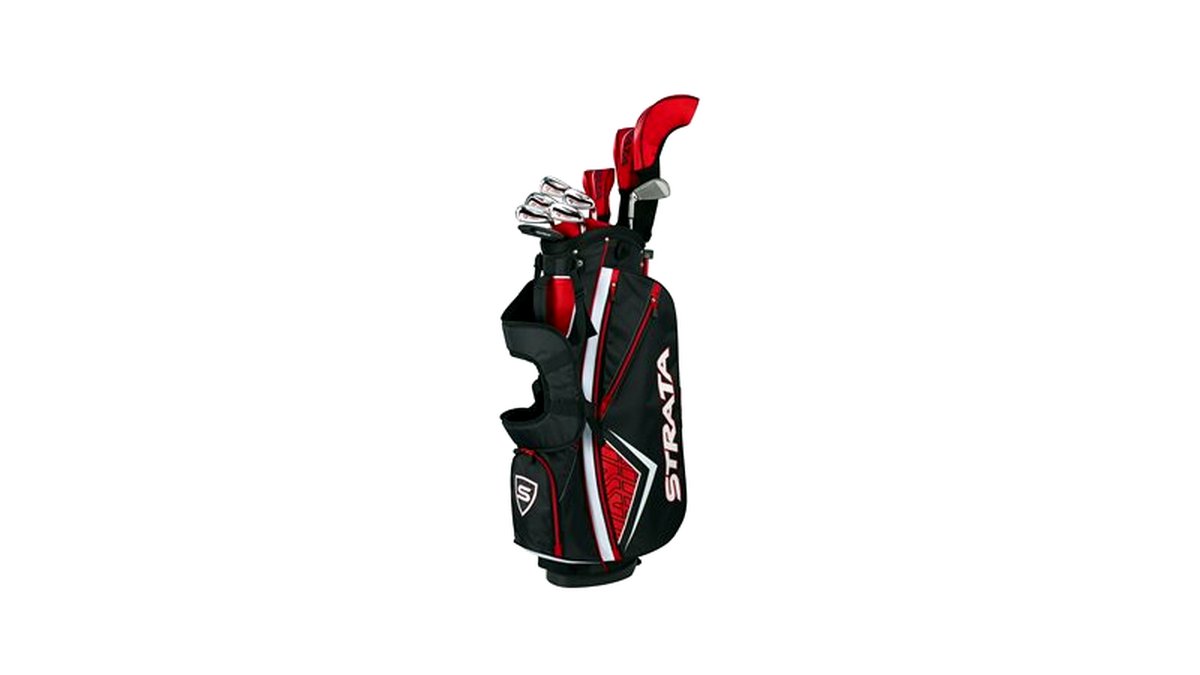
| Left-handed complete starter set | Total beginners building a first bag | Bundled irons, woods, and sometimes putter and bag | Component quality and fit customization generally trail buying pieces individually |
Pick X If…
| Situation | Recommended Pick |
|---|---|
| You’re a beginner or high-handicap golfer | Left-handed game-improvement iron set |
| You’re a mid-handicap golfer wanting more feel without losing all forgiveness | Left-handed players’ distance irons |
| You’re a low-handicap golfer prioritizing shot-shaping control | Left-handed players’/tour irons |
| You’re starting from zero and need a full bag at once | Left-handed complete starter set, upgrading individual clubs as skill develops |
| A specific model you want isn’t available left-handed | A comparable model in the same category from a brand that does offer left-handed configurations |
Fit and Availability Notes
Left-handed availability varies significantly by club category: irons and complete sets are generally easier to find left-handed than specialty wedges or certain putter head shapes, where selection can be notably thinner. Shaft flex should be matched to swing speed rather than skill level alone, since a slower-swinging advanced player and a faster-swinging beginner need different flex ratings despite different handicaps. Grip size also affects shot tendencies more than many golfers realize, an undersized grip can promote an unwanted draw or hook, while an oversized grip can reduce distance from a weaker grip pressure, and most retailers or club fitters can measure hand size to recommend a starting point.
Building Out the Rest of the Bag
Left-handed wedges, particularly specialty lofts like a 60-degree, have historically had thinner selection than standard pitching and sand wedges, so it’s worth checking availability early when planning a full bag rather than assuming every loft will be in stock left-handed. Putters present a similar issue: certain popular head shapes and alignment styles sell out of left-handed configurations faster or get produced in smaller numbers, so golfers set on a specific putter style should check left-handed availability before committing to matching the rest of the bag to it. Hybrid clubs, which have become a common beginner-friendly substitute for long irons, are widely available left-handed across most major brands, making them a relatively low-risk category to shop in.
Alternatives Worth Considering
- Custom-fit clubs through a professional fitting: a club fitter can special-order left-handed configurations not stocked on general retail shelves, useful for golfers with specific swing needs.
- Previous-generation models: last year’s iron or driver model in left-handed configuration often performs very similarly to the current release at a lower cost once a new version has launched.
- Combo iron sets: sets that mix cavity-back long irons with more compact short irons, offering forgiveness where it’s needed most while keeping control in scoring clubs.
Common Mistakes When Buying Left-Handed Clubs
A frequent mistake is settling for whatever left-handed model happens to be in stock rather than checking whether a better-fitting option exists from a different brand, since the narrower selection can tempt buyers into compromising on skill-level fit just to get a left-handed club at all. Buyers also sometimes assume a complete set purchased as a beginner will need no further customization, when grip size and shaft flex adjustments, both relatively inexpensive to make after purchase, can meaningfully improve consistency once a golfer has a season or two of experience to judge their own swing tendencies. Another common error is overlooking putter fitting entirely, treating it as an afterthought after the irons and woods are chosen, when putter length, lie angle, and head weight affect a golfer’s stroke as much as any other club in the bag.
Skipping a basic fitting session, even an informal one at a retailer with a launch monitor, is also a missed opportunity for left-handed golfers specifically, since the smaller selection means less room for trial and error through repeated purchases. Finally, some golfers overlook checking loft gapping when buying irons from one brand and woods or hybrids from another, which can leave awkward distance gaps or overlaps between clubs that only become obvious once out on the course.
Where to Shop for Left-Handed Equipment
Larger specialty golf retailers generally carry a wider left-handed selection than general sporting goods stores, and many offer online ordering for configurations not held in physical store inventory, which is worth checking before assuming a desired model isn’t available left-handed at all. Golf equipment manufacturers’ own sites often list current left-handed availability by model more reliably than third-party retailers, making them a useful first stop when trying to confirm whether a specific club exists in a left-handed configuration before searching further. Local pro shops and club fitters, while sometimes pricier, can also special-order left-handed clubs not typically stocked, which is particularly useful for wedges and putters where selection is thinnest.
Frequently Asked Questions
Why is left-handed golf equipment harder to find than right-handed?
Left-handed golfers make up a smaller share of the overall golfing population, so manufacturers produce fewer left-handed units per model and sometimes skip left-handed production for lower-volume products like certain wedge lofts or putter styles. This makes checking availability early in the buying process more important for left-handed golfers than for right-handed ones.
Should a beginner left-handed golfer buy a full set or individual clubs?
A complete starter set is usually the more practical and affordable way to get a full bag quickly, and most beginners won’t notice the component quality gap compared to buying pieces individually at this stage. As skill develops, individual clubs can be upgraded one at a time, starting with the clubs used most often.
How does shaft flex affect a left-handed golfer differently than a right-handed one?
Shaft flex selection works the same way regardless of handedness, it should be matched to swing speed rather than handedness, but because left-handed shaft options are more limited, a left-handed golfer may have fewer flex choices available within a given model. Getting swing speed measured, through a fitting session or launch monitor, helps narrow the right flex from the start.
Can a left-handed golfer use right-handed clubs by flipping their swing?
Most golfers naturally commit to one handedness based on how they first learned the swing, and switching sides for clubs of the opposite handedness means relearning the swing from scratch, not simply flipping grip orientation. Nearly all equipment categories, irons, woods, wedges, and putters, do have left-handed versions available, so this workaround is rarely necessary.
Are left-handed clubs more expensive than right-handed clubs?
Pricing for left-handed clubs is generally similar to right-handed versions of the same model, though limited stock on certain left-handed configurations can sometimes mean less discounting or promotional pricing availability. Checking multiple retailers is worthwhile since stock levels and pricing can vary more for left-handed inventory.
What club category should a left-handed beginner prioritize buying first?
Irons and a basic set of woods or hybrids cover the most common shots a beginner will hit and are generally the easiest left-handed categories to find in stock. Specialty wedges and a specific putter style can be added later once a golfer has a better sense of their short game needs and preferences.