Key takeaways
- Riders who want a quiet, smooth-feeling ride on a tight budget suit a magnetic-resistance spin bike, while riders chasing the closest feel to a studio class suit a friction-resistance bike with a heavier flywheel, since under a budget cap near…
Riders who want a quiet, smooth-feeling ride on a tight budget suit a magnetic-resistance spin bike, while riders chasing the closest feel to a studio class suit a friction-resistance bike with a heavier flywheel, since under a budget cap near $500 the main tradeoff is flywheel weight and resistance type rather than brand name.
As an Amazon Associate, we earn from qualifying purchases made through links on this page.
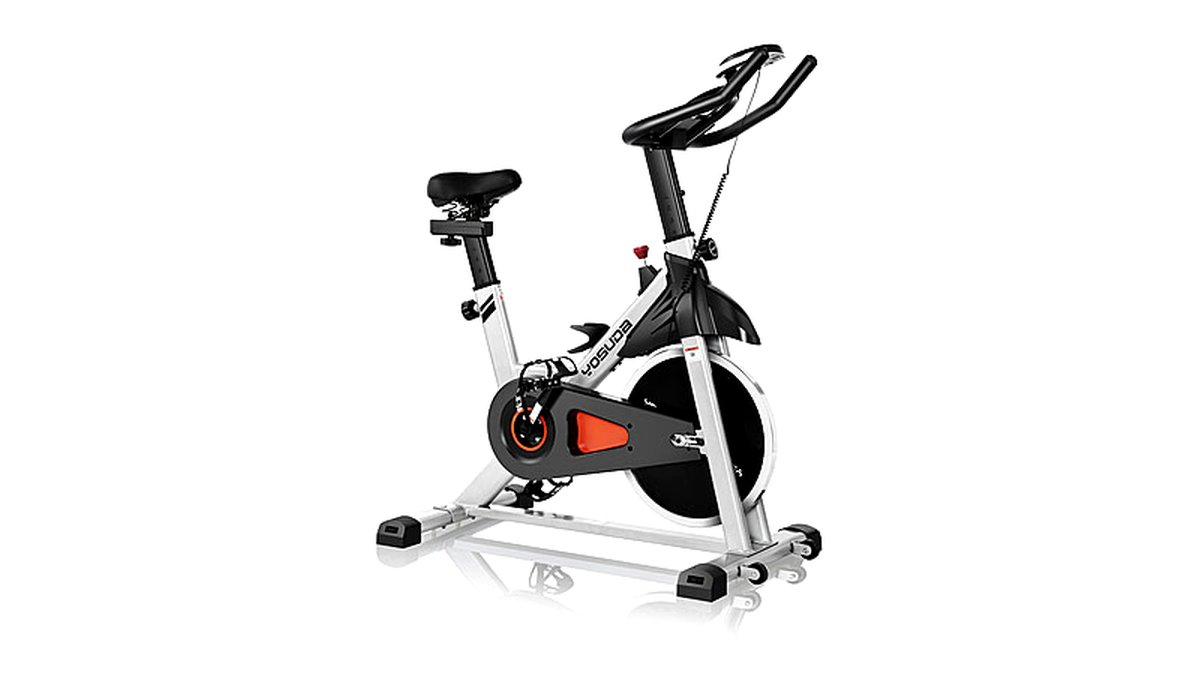
Spin bikes priced under $500 generally fall into two resistance categories: friction (felt pad) resistance and magnetic resistance. Friction bikes press a brake pad against the flywheel to create resistance, which tends to feel closer to a traditional studio spin bike’s resistance curve but wears down the pad over time and can be slightly noisier. Magnetic resistance bikes use magnets positioned near the flywheel without physical contact, which makes them quieter and nearly maintenance-free but can feel marginally less “sharp” at the resistance extremes compared to friction systems. Flywheel weight is the other major variable, since a heavier flywheel (commonly in the 30-to-40-plus pound range on budget-friendly models) tends to produce a smoother, more momentum-driven pedal stroke that feels closer to outdoor cycling, while lighter flywheels feel choppier, especially at low cadence.
What Matters Most When Choosing
Flywheel weight and resistance type drive most of the ride-feel difference at this price point, since budget bikes rarely include the electronic resistance or touchscreen consoles found on premium connected bikes. Frame stability matters for taller or heavier riders, so checking the manufacturer’s stated maximum user weight and frame construction is worth doing before buying rather than assuming all bikes in this price range handle the same load. Seat and handlebar adjustability affects comfort directly, since a bike that cannot adjust far enough in any direction for a given rider’s height will cause discomfort regardless of how good the resistance system feels. Pedal type is a smaller but real consideration: some budget bikes include dual-sided pedals with a standard cage on one side and SPD clip compatibility on the other, while others include only basic cage pedals, which matters for riders who already own cycling shoes.
Smooth, Quiet Picks
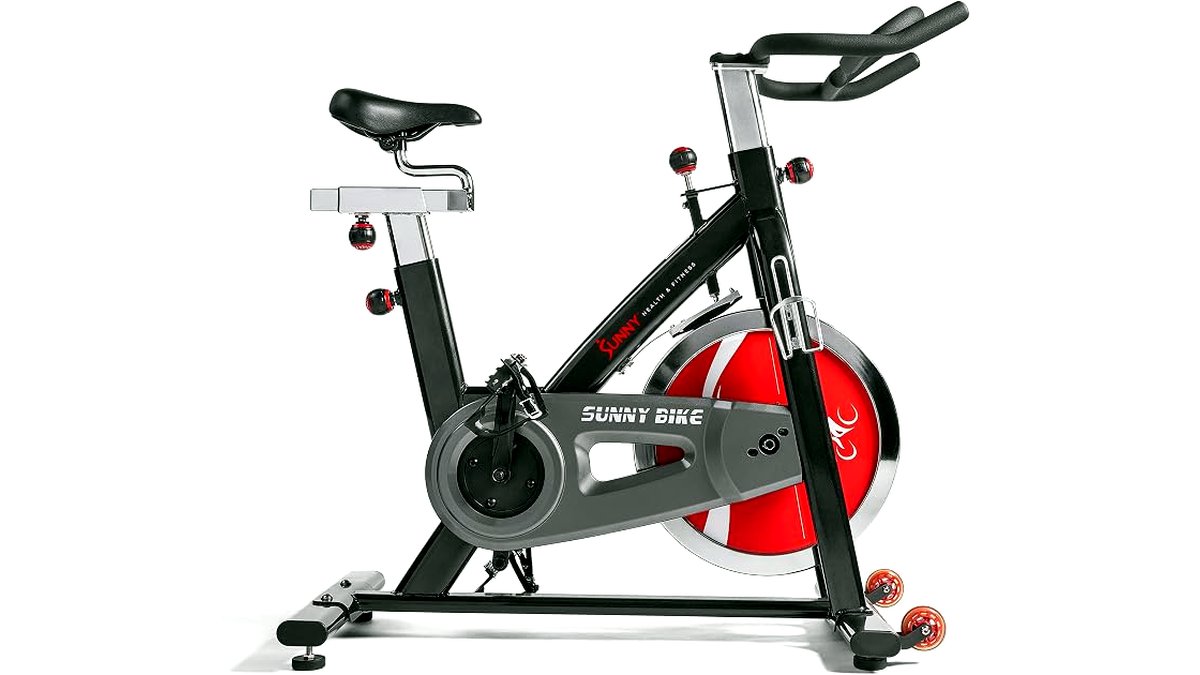
Magnetic-resistance bikes from makers like Sunny Health & Fitness are commonly recommended in budget roundups for their quiet operation, which suits riders in apartments or shared living spaces where noise matters. These bikes typically pair magnetic resistance with a moderately heavy flywheel to balance smooth pedaling feel with a lower price point, and many include a basic resistance knob rather than numbered resistance settings, so riders adjust by feel rather than tracking exact resistance levels.
Studio-Feel Picks
Friction-resistance bikes with heavier flywheels, also common in Sunny Health & Fitness’s lineup and from other budget-focused brands, tend to get cited by reviewers as feeling closer to a traditional gym spin class bike, particularly during standing climbs and sprints where resistance needs to ramp up quickly. The tradeoff is that the felt brake pad will wear and may eventually need replacement or adjustment, and these bikes can run slightly louder than magnetic alternatives, which matters for early morning or late night riders sharing a home.
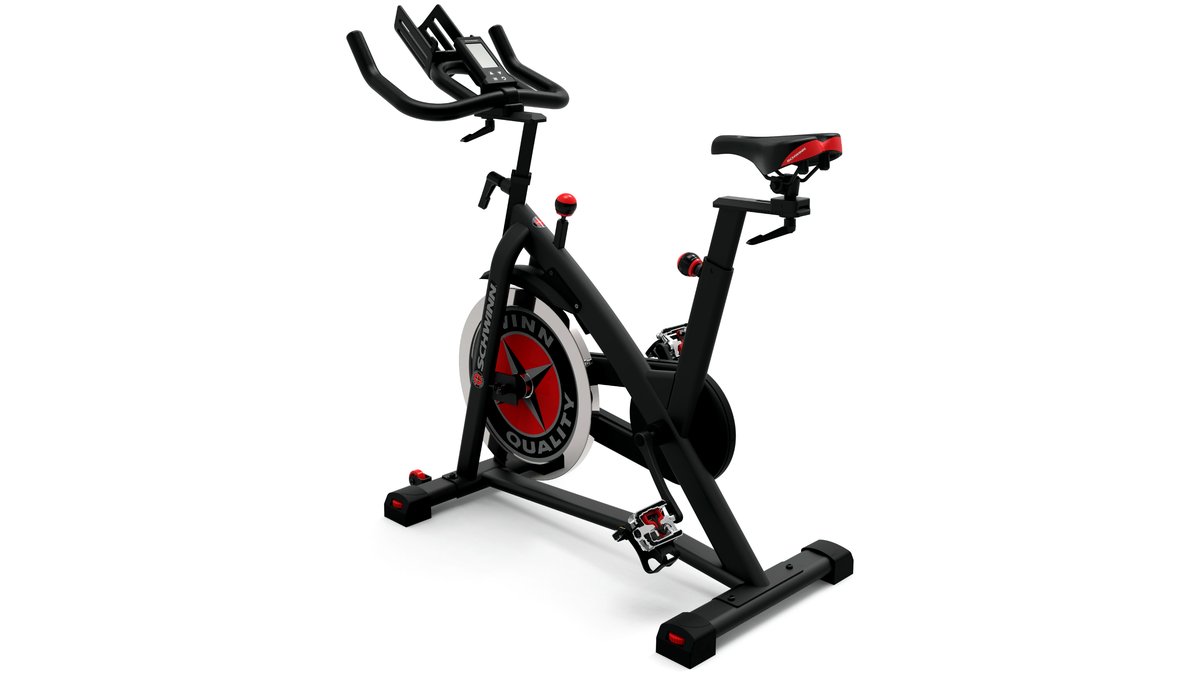
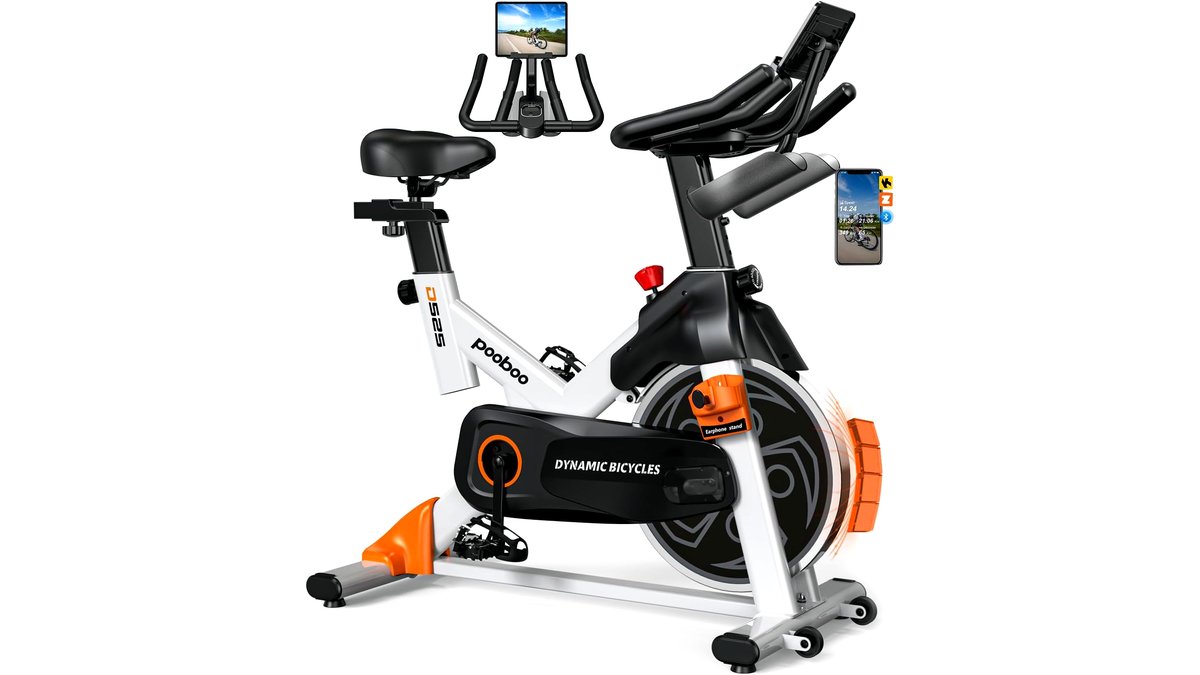
At a Glance
| Bike Style | Best For | Key Stated Specs | Limits |
|---|---|---|---|
| Magnetic resistance, budget tier | Quiet riding, apartment or shared spaces | Magnetic resistance system, moderate flywheel weight, knob-adjustable resistance | Resistance feel slightly less sharp at extremes than friction systems |
| Friction resistance, heavy flywheel | Riders wanting a studio-class feel | Felt brake pad resistance, heavier flywheel (commonly 30+ lbs on budget models) | Brake pad wears over time; generally louder than magnetic resistance |
| Dual-sided pedal models | Riders who already own cycling shoes | Cage pedal on one side, SPD-compatible clip on the other | Fewer models at this price point include this feature |
| Basic cage-pedal models | Casual riders using regular athletic shoes | Standard cage pedals, simple resistance knob | No clip-in option for riders who want a locked-in pedal stroke |
Pick This If…
| Situation | Recommended Style |
|---|---|
| Live in an apartment or ride early/late hours | Magnetic resistance bike |
| Want the closest feel to a gym spin class | Friction resistance bike with a heavy flywheel |
| Already own cycling shoes | A model with dual-sided SPD-compatible pedals |
| Taller or heavier rider | Check the manufacturer’s stated max user weight and seat/handlebar adjustment range before buying |
| Want minimal ongoing maintenance | Magnetic resistance bike, since there is no brake pad to wear or replace |
Fit and Size Notes
Seat height and horizontal (fore-aft) adjustment range, plus handlebar height adjustment, determine whether a bike actually fits a given rider comfortably; checking the manufacturer’s listed adjustment range against the rider’s height is more reliable than assuming “one size fits all.” Maximum user weight ratings vary across budget bikes, so heavier riders should confirm this spec directly rather than assuming every bike in this price tier handles the same load capacity. Floor space and bike weight also matter for apartment dwellers, since a heavier flywheel bike is generally more stable during hard efforts but also harder to move or store between rides.
2-3 Alternatives
Riders who outgrow a basic budget spin bike’s resistance range or want app-connected classes might eventually look toward a mid-range connected bike with electronic resistance and a built-in or tablet-mounted display, accepting a higher price for that feature set. Riders short on space could consider a foldable spin bike, which trades some stability and flywheel weight for the ability to store the bike upright against a wall between uses. A recumbent exercise bike is a reasonable alternative for riders with lower back or joint concerns who want a lower-impact cardio option instead of an upright spin bike’s more aggressive riding position.
Setting Up the Bike in a Shared Space
Floor protection is worth planning for regardless of which bike is chosen, since a budget spin bike transmits vibration and occasional sweat drips onto whatever surface it sits on. A dedicated exercise mat under the bike protects flooring, particularly hardwood or laminate, and also helps dampen vibration noise that can travel through a floor into rooms below in multi-level homes or apartments. Leveling feet, included on most models in this price range, should be adjusted so the bike sits flat and does not rock during hard efforts, since a wobbling bike both feels unstable and can accelerate wear on the frame’s welds over time.
Assembly quality is another practical factor that separates a good experience from a frustrating one at this price point, since budget spin bikes generally ship partially disassembled and require the buyer to attach the seat post, handlebars, and pedals. Reviewers commonly note that double-checking all bolts after the first few rides, rather than only at initial assembly, catches loosening that can occur as the frame settles under regular use. Pedals in particular deserve attention, since cross-threading a pedal during assembly is a common beginner mistake that can damage the crank arm threads and is largely avoidable by threading pedals in gently by hand before using a wrench to tighten fully.
Frequently Asked Questions
Is magnetic or friction resistance better for a home spin bike?
Neither is universally better; magnetic resistance tends to run quieter and needs less maintenance since there’s no brake pad to wear, while friction resistance is often described as feeling closer to a traditional studio bike’s resistance curve. The right choice depends on whether quiet operation or studio-class feel matters more to a given rider.
Does flywheel weight really matter at this price range?
Yes, a heavier flywheel generally produces more momentum and a smoother pedal stroke, which many riders find feels more like outdoor cycling, especially during steady-state rides. Lighter flywheels tend to feel choppier, particularly when pedaling slowly or standing to climb.
Can I use regular sneakers on a budget spin bike?
Most budget spin bikes include basic cage pedals designed for regular athletic shoes, so dedicated cycling shoes are not required to ride comfortably. Riders who already own clip-in cycling shoes should check specifically for dual-sided SPD-compatible pedals if they want that option.
How much weight can a budget spin bike hold?
Maximum user weight capacity varies by model and is listed by the manufacturer, so checking that figure directly against the rider’s weight is the most reliable approach rather than assuming a standard capacity across all bikes in this price range.
Will a budget spin bike be too noisy for an apartment?
Magnetic resistance bikes are generally the quieter option since there’s no friction pad contact, making them a common recommendation for apartment or shared-wall living situations. Friction resistance bikes can produce more noise, particularly at higher resistance settings or during standing efforts.
Do these bikes need regular maintenance?
Friction resistance bikes may eventually need the brake pad checked or replaced as it wears from use, while magnetic resistance bikes generally need little beyond periodic bolt tightening and pedal checks. Either way, following the manufacturer’s maintenance guidance in the included manual helps the bike last longer.
What’s a reasonable first resistance level for a new rider?
Most budget spin bikes do not list numbered resistance levels the way connected bikes do, so new riders typically start near the low-to-middle point of the knob’s range and adjust up or down based on how their legs feel within the first few minutes. Building a sense of how the resistance knob maps to effort usually takes a few rides before it becomes intuitive.