Key takeaways
- Rider weight limit: Every electric skateboard has a manufacturer-stated maximum rider weight; riders near that limit should expect reduced range, slower acceleration, and more strain on the motor and brakes.
- Wheel type: Hard polyurethane wheels are lighter and more efficient but transmit more road vibration; larger pneumatic wheels ride smoother over rough pavement but add weight and occasionally need pressure checks.
- Deck length and portability: Longer decks ride more stably but are harder to carry onto a train or up an office staircase; shorter decks trade some stability for portability.
- Braking system: Confirm whether the board uses electronic regenerative braking, a mechanical brake, or both, since stopping distance and control differ meaningfully between systems, especially downhill.
- Carrying gear: A board without a carry strap or handle can be awkward on stairs or transit; some riders add an aftermarket strap if the stock board doesn’t include one.
Commuters riding paved city streets with a tight budget for storage space fit best with a compact, lighter electric skateboard, longer-distance commuters want a model with a bigger battery and higher stated range, and anyone riding over rough pavement or light hills should prioritize a board with larger wheels and stronger stated hill-grade capability. Electric skateboards for commuting split mainly along battery size, board length, and wheel type rather than by brand alone.
As an Amazon Associate, we earn from qualifying purchases made through links on this page.
Who Electric Skateboards Suit for Commuting
An electric skateboard works best for commuters covering a few miles on reasonably smooth pavement, often combined with public transit for the rest of a longer trip. They tend to suit riders already comfortable balancing on a traditional skateboard or longboard, since electric boards accelerate and brake differently than an e-scooter and generally require more practice to ride confidently in traffic.
Electric Skateboards at a Glance
| Category | Best for | Key stated specs | Limits |
|---|---|---|---|
| Compact/shortboard models | Short commutes, easy carrying onto transit | The maker lists a shorter deck, lighter overall weight, and smaller wheels | Shorter stated range and less stability at higher speeds |
| Longboard-style commuter models | Longer daily commutes on mixed pavement | The maker lists a longer deck for stability, a bigger battery, and extended stated range | Harder to carry onto a bus or up stairs due to length and weight |
| All-terrain/large-wheel models | Rough pavement, light hills, cracked sidewalks | The maker lists larger pneumatic wheels and a higher-torque motor setup for hill grades | Added weight and bulk compared to street-focused boards |
Picking by Commute Type
Short, Flat Commutes in a City Core
A compact shortboard is usually the easiest option for riders making short hops between a transit stop and an office, since it’s lighter to carry and easier to store at a desk or in a locker. The tradeoff is a smaller battery, so riders should check the stated range against their actual round-trip distance with some buffer left over.
Longer Suburban or Multi-Mile Commutes
Riders covering several miles each way benefit from a longboard-style model with a larger battery and a more stable, wider deck. The added length also makes high-speed riding feel steadier, which matters on commutes that include stretches of faster-moving traffic lanes or bike paths.
Rough Pavement, Cracks, or Mild Hills
Commutes that include cracked sidewalks, cobblestone, or short hill climbs call for a board with larger pneumatic wheels and a motor rated for a higher hill-grade percentage. Reviewers covering commuter electric boards consistently note that small hard wheels transmit far more vibration and struggle more on anything but smooth asphalt.
Fit, Size and Compatibility Notes
- Rider weight limit: Every electric skateboard has a manufacturer-stated maximum rider weight; riders near that limit should expect reduced range, slower acceleration, and more strain on the motor and brakes.
- Wheel type: Hard polyurethane wheels are lighter and more efficient but transmit more road vibration; larger pneumatic wheels ride smoother over rough pavement but add weight and occasionally need pressure checks.
- Deck length and portability: Longer decks ride more stably but are harder to carry onto a train or up an office staircase; shorter decks trade some stability for portability.
- Braking system: Confirm whether the board uses electronic regenerative braking, a mechanical brake, or both, since stopping distance and control differ meaningfully between systems, especially downhill.
- Carrying gear: A board without a carry strap or handle can be awkward on stairs or transit; some riders add an aftermarket strap if the stock board doesn’t include one.
Pick This One If…
| Situation | Recommended category |
|---|---|
| You need to carry the board onto a bus or train daily | Compact/shortboard model |
| Your commute is 5+ miles round trip | Longboard-style commuter model |
| Your route has cracked pavement or light hills | All-terrain/large-wheel model |
| You’re new to electric skateboards | A model with a lower top speed and a beginner riding mode, if offered |
Alternatives Worth Comparing
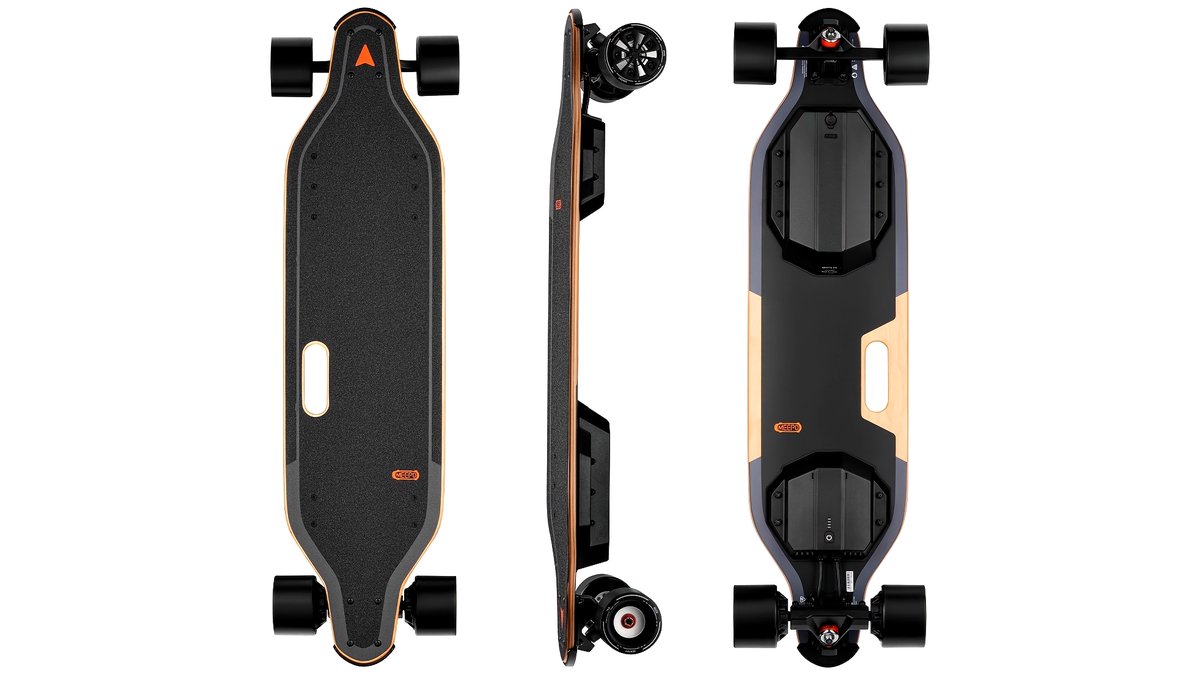
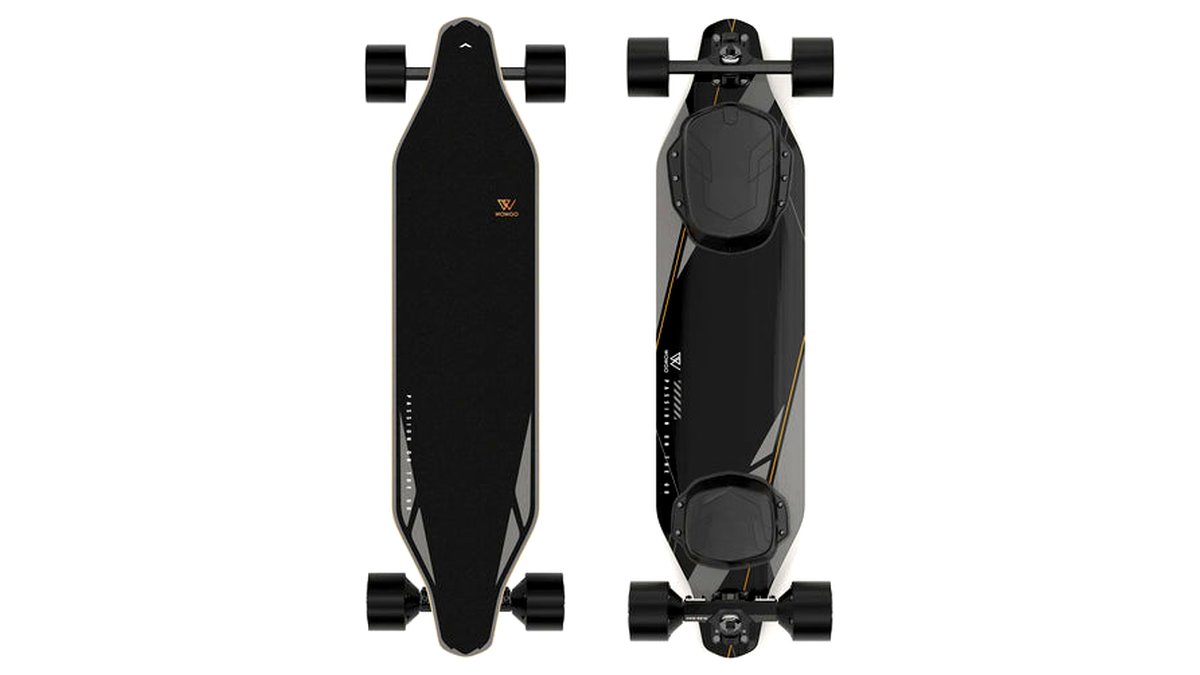
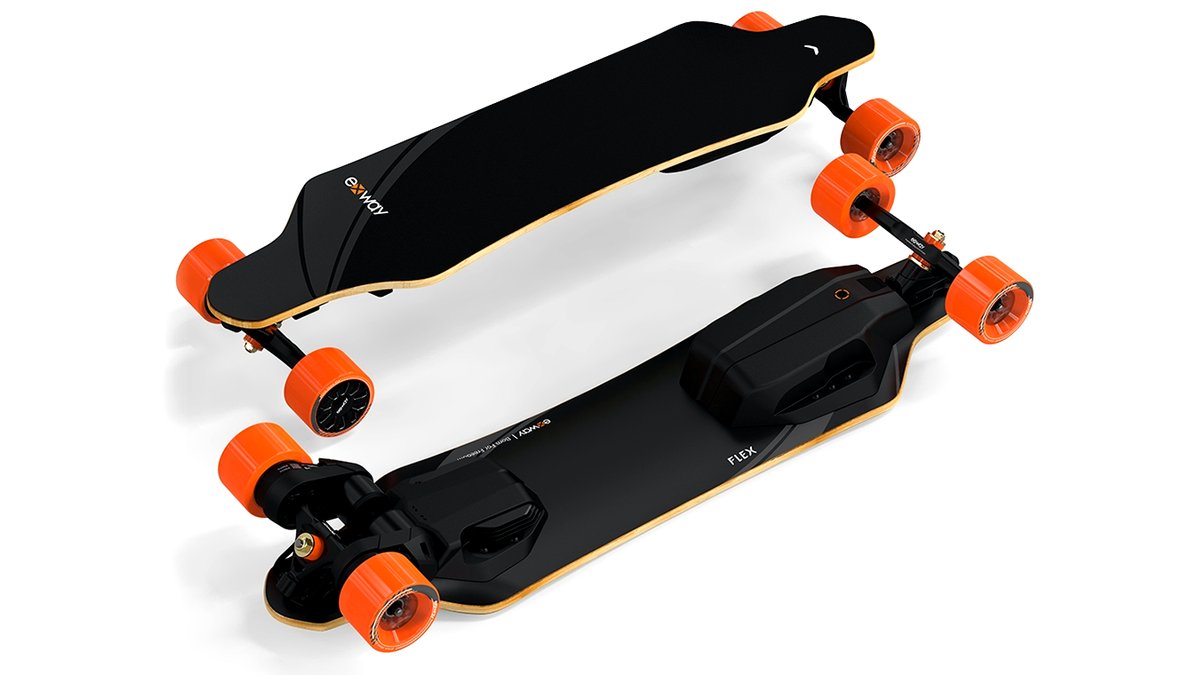
Commuters cross-shopping electric skateboards often compare WowGo’s commuter lineup, which spans a similar range of deck lengths and wheel types. Meepo is another frequent comparison point, particularly for riders weighing stated range and motor power against price. Riders willing to spend more sometimes look at Exway’s higher-end commuter boards, which tend to emphasize build quality and app-based ride customization over the budget tier.
Common Buying Mistakes to Avoid
A common mistake is choosing the longest, most stable longboard-style deck without checking whether it actually fits the realities of a daily commute, such as carrying it onto a crowded train or up a narrow office staircase. A board that rides beautifully but never makes it out of the closet because it’s too unwieldy to carry provides no real benefit over a smaller, more practical deck.
Another frequent error is underestimating how much heavier a rider’s actual weight, plus a backpack and work clothes, affects real-world range and top speed compared to the manufacturer’s stated figures measured under lighter, ideal conditions. Building in a buffer rather than assuming the advertised range number will hold up on a cold, hilly, fully loaded commute avoids getting stranded with a depleted battery.
Buyers new to electric skateboards also sometimes skip practicing in a low-traffic area before riding directly in city streets, which is risky given how differently these boards accelerate and brake compared to a regular push skateboard. Spending time in an empty parking lot first, especially with a board that has a beginner riding mode, makes the transition to real commuting noticeably safer.
Frequently Asked Questions
Do I need prior skateboarding experience to commute on an electric skateboard?
Most riders find it easier to learn an electric skateboard if they already have some balance experience on a regular skateboard or longboard, since the board requires active balancing in a way an electric scooter does not. Complete beginners can still learn, but practicing in an empty parking lot before riding in traffic is strongly advised.
Are electric skateboards legal to ride on streets and bike lanes?
Rules vary by city and state, covering where electric skateboards can legally be ridden, speed limits, and whether a helmet or minimum age applies. Riders should check local regulations before relying on one for a daily commute, since enforcement and legality differ between neighboring jurisdictions.
How far can an electric skateboard actually go on one charge?
Manufacturer-stated range figures generally reflect ideal conditions, including a lighter rider, flat terrain, and a lower speed setting. Real-world range for heavier riders, hilly commutes, or colder weather typically falls short of the advertised maximum, so planning around a conservative estimate is safer for a daily commute.
What happens if the battery runs out mid-commute?
Most electric skateboards can still be ridden manually like a regular skateboard once the battery is depleted, though the added weight of the motor and battery makes manual pushing noticeably harder than on a traditional board. Riders should still plan commutes with enough charge buffer to avoid relying on manual pushing regularly.
How much maintenance do electric skateboards need?
Basic upkeep includes checking wheel and bearing wear, tightening deck hardware periodically, and following the manufacturer’s manual for battery care and storage, especially during colder months. Pneumatic-wheel models also need occasional tire pressure checks similar to a bicycle tire. Riders who commute daily will generally get the longest service life out of a board by inspecting wheels and hardware on a regular schedule rather than waiting for a noticeable problem to appear mid-ride.
Are these boards safe to ride in the rain?
Most electric skateboards carry only a splash-resistance rating rather than full waterproofing, and manufacturers generally advise against riding through standing water or heavy rain. Checking the specific model’s water-resistance rating in the manual is important before relying on it in wet weather. Riders in consistently rainy climates may be better off treating the board strictly as a dry-weather commuting tool and keeping a backup transit plan for wet days, rather than testing the limits of a splash-resistance rating.