Key takeaways
- Rider weight limit: Every Gotrax model has a maximum rider weight stated by the manufacturer. Riders near or above that limit should expect reduced range, slower acceleration, and more motor strain, so sizing up to a higher-capacity model is worth the extra bulk.
- Tire type: Solid tires need no maintenance and cannot go flat, but transmit more vibration. Pneumatic (air-filled) tires ride smoother and grip better but need occasional pressure checks and can puncture.
- Folding and storage: Check the folded dimensions and handlebar-stem folding mechanism against the space available for storage, whether that’s a car trunk, a hall closet, or a spot under a desk at work.
- Portability: Scooter weight matters most for anyone carrying it up stairs, onto a bus, or through a train turnstile. The lightest entry models are easiest to carry; long-range models trade portability for distance.
- Terrain: Smooth sidewalks and bike lanes suit any line. Cracked pavement, gravel, or grass call for the all-terrain line’s larger, knobbier tires and extra clearance.
Commuters who need real range and a wide deck should look at Gotrax’s larger-wheel commuter line, casual neighborhood riders are better served by the brand’s compact lightweight scooters, and teens or first-time riders usually do best with a smaller, lower-powered entry model. Gotrax has built its lineup around clear tiers rather than a single flagship, so the right pick depends mostly on commute distance, rider weight, and how often the scooter needs to be carried upstairs or onto a train.
As an Amazon Associate, we earn from qualifying purchases made through links on this page.
Who Gotrax Scooters Are For
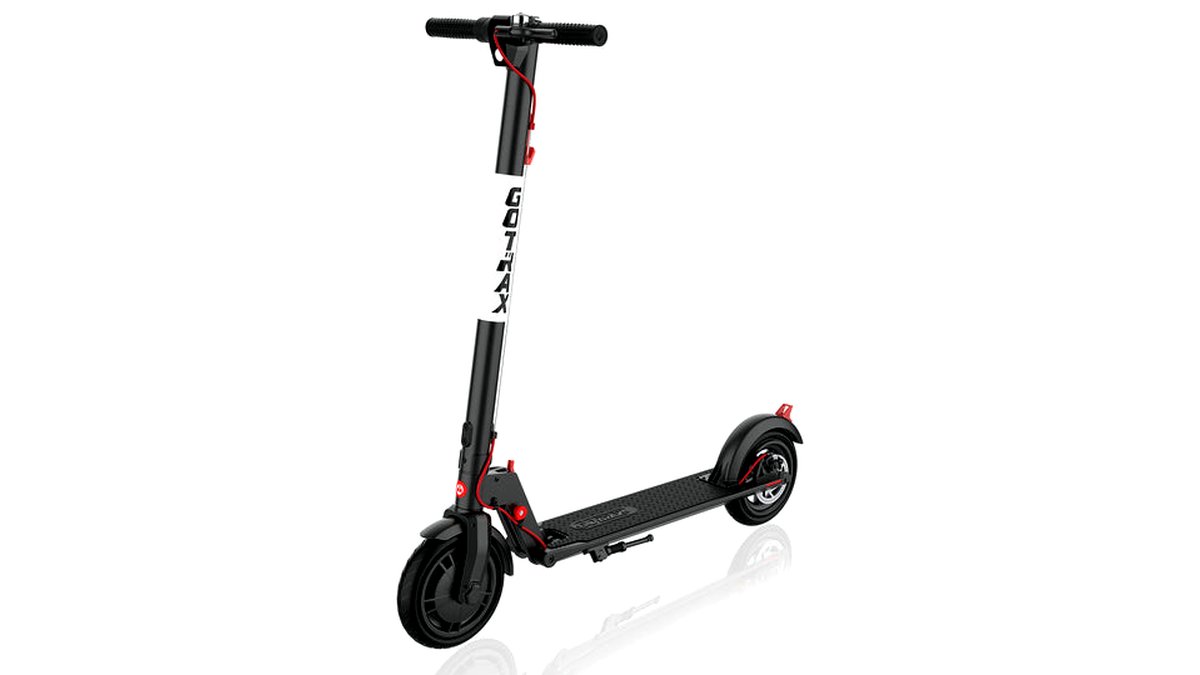
Gotrax positions itself as a value-focused electric scooter brand, selling scooters that undercut premium commuter brands while still covering basic commuting, campus transport, and casual recreational riding. The lineup spans compact folding scooters meant for short hops, mid-range models aimed at daily commuting, and a few higher-power or off-road-leaning options for riders who want more torque or ground clearance. None of the lineup is marketed as a performance scooter in the way some boutique brands are; the appeal is affordability and simplicity.
Gotrax Scooters at a Glance
| Line | Best for | Key stated specs | Limits |
|---|---|---|---|
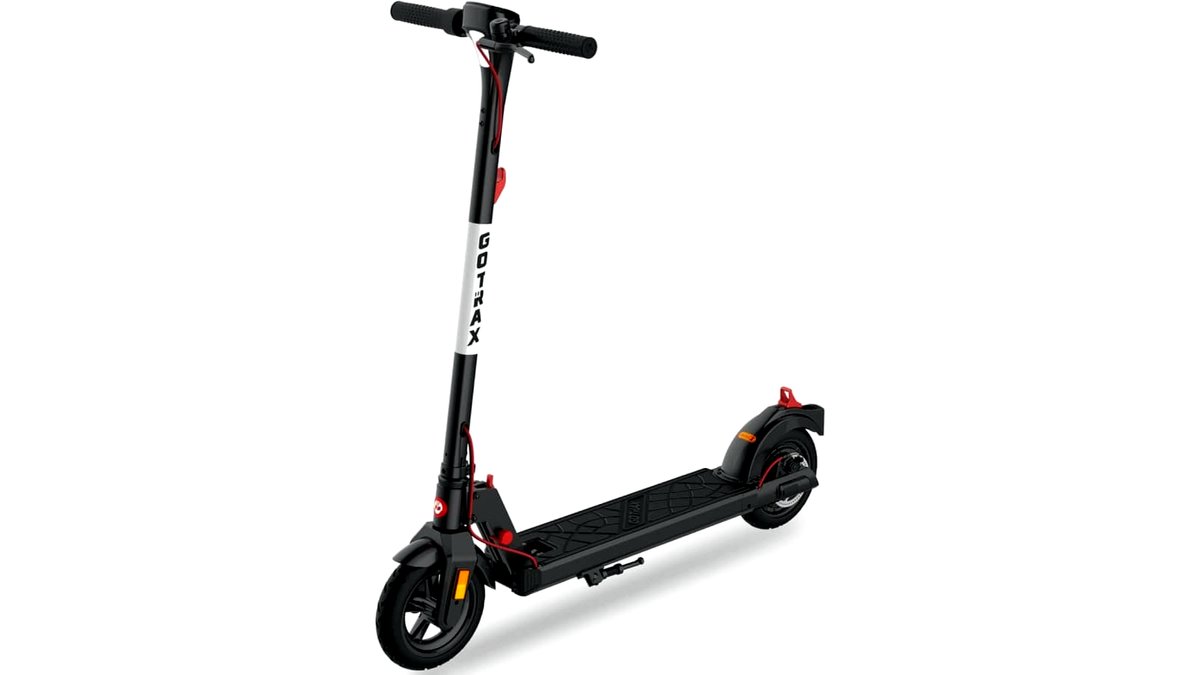
| Entry/compact line | Short commutes, first-time riders, teens | The maker lists a lighter frame, smaller motor output, and a folding stem for storage | Lower top speed and shorter range than mid-tier models; smaller wheels feel rougher on cracked pavement |
| Mid-range commuter line | Daily commuting of several miles each way | The maker lists larger pneumatic or semi-pneumatic tires, a stronger motor, and extended battery range | Heavier than entry models, which makes stairs and multi-floor carrying tougher |
| Long-range line | Riders who want to minimize charging stops | The maker lists a larger battery pack and higher stated range figures than the entry and mid-range lines | Added weight and bulk; charging time stretches out with the bigger pack |
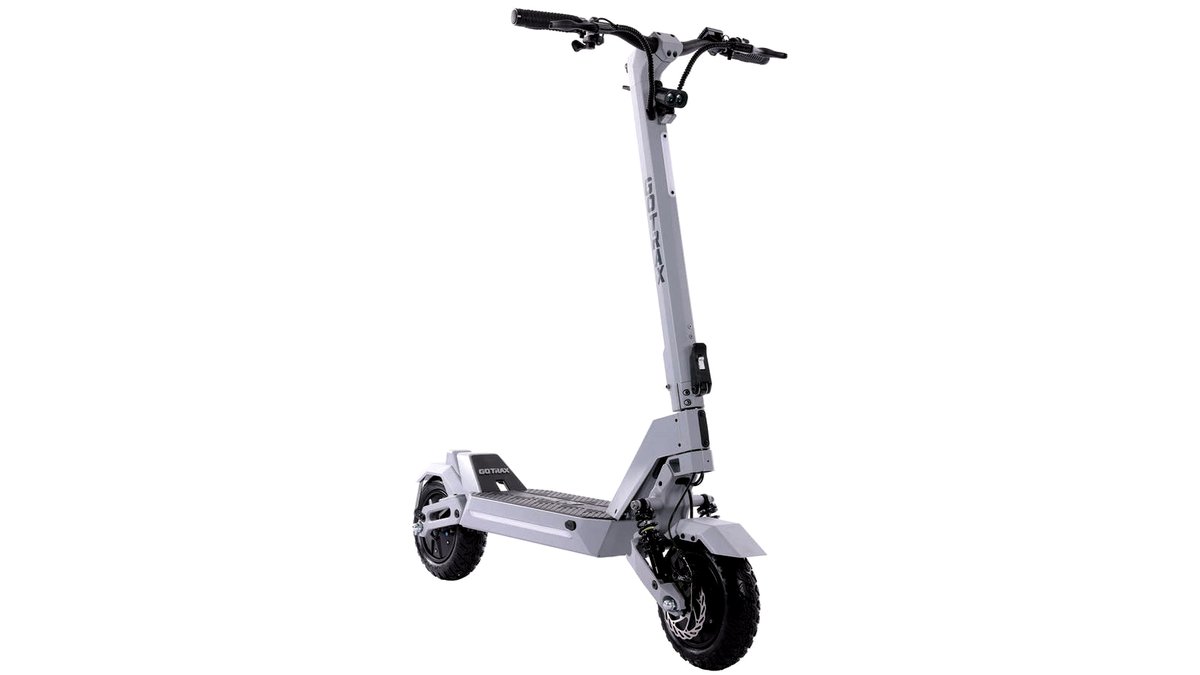
| All-terrain/higher-power line | Riders on gravel, grass, or uneven neighborhood paths | The maker lists knobbier tires, more ground clearance, and a higher-torque motor setup | Not designed as an off-road or trail scooter; still meant for paved or semi-paved surfaces |
Picking by Riding Style
Commuting Several Miles Each Way
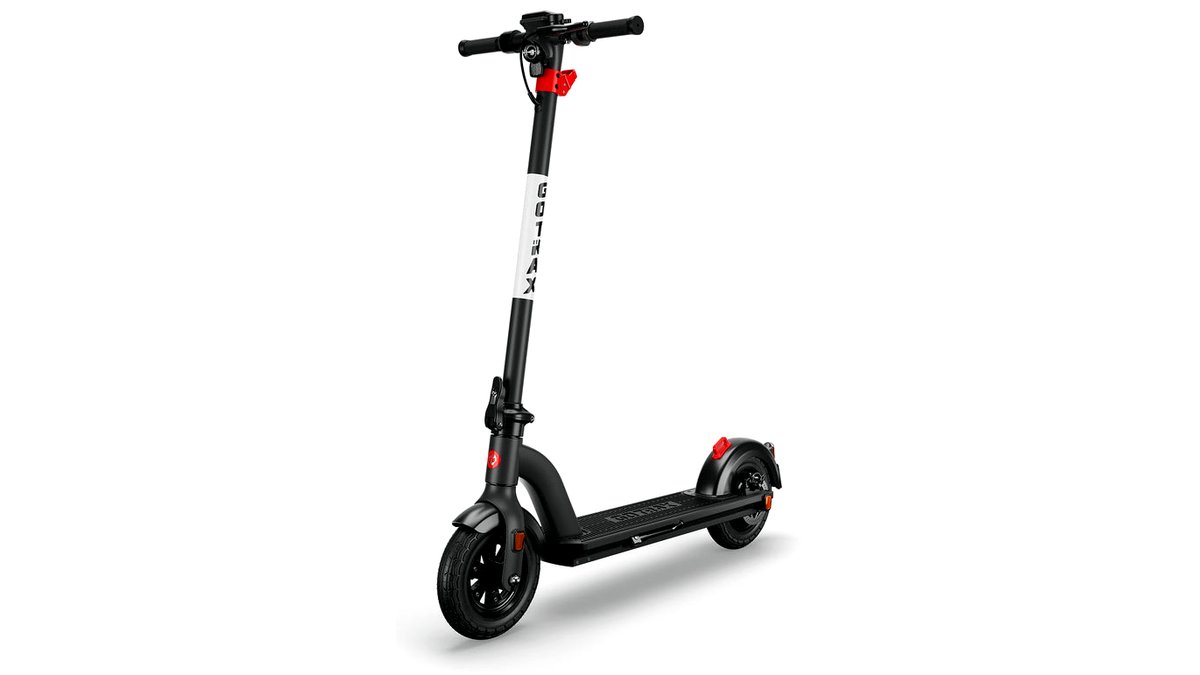
Riders commuting beyond a mile or two in each direction should prioritize the mid-range or long-range commuter lines. Wider, higher-pressure tires smooth out rougher pavement and storm-drain seams better than the small solid tires found on entry scooters, and a larger battery means less anxiety about making it home on a single charge. Reviewers covering budget electric scooters consistently note that tire size and battery capacity matter more for comfort and range than headline top-speed numbers.
Casual Errands and Neighborhood Riding
For short trips to a coffee shop, a park, or a friend’s house, a compact entry-level scooter is usually enough. These models fold down smaller and weigh less, which matters if the scooter needs to be carried into an apartment, stored in a closet, or lifted into a car trunk regularly.
Teens and First-Time Riders
A lower-powered entry model with a capped top speed gives a new rider room to build confidence without the sudden acceleration that a higher-wattage motor can produce. Parents should also check the manufacturer’s minimum age and weight guidance, since most electric scooters are not designed for very light riders or young children.
Fit, Size and Compatibility Notes
- Rider weight limit: Every Gotrax model has a maximum rider weight stated by the manufacturer. Riders near or above that limit should expect reduced range, slower acceleration, and more motor strain, so sizing up to a higher-capacity model is worth the extra bulk.
- Tire type: Solid tires need no maintenance and cannot go flat, but transmit more vibration. Pneumatic (air-filled) tires ride smoother and grip better but need occasional pressure checks and can puncture.
- Folding and storage: Check the folded dimensions and handlebar-stem folding mechanism against the space available for storage, whether that’s a car trunk, a hall closet, or a spot under a desk at work.
- Portability: Scooter weight matters most for anyone carrying it up stairs, onto a bus, or through a train turnstile. The lightest entry models are easiest to carry; long-range models trade portability for distance.
- Terrain: Smooth sidewalks and bike lanes suit any line. Cracked pavement, gravel, or grass call for the all-terrain line’s larger, knobbier tires and extra clearance.
Pick This One If…
| Situation | Recommended line |
|---|---|
| You commute 5+ miles round trip daily | Mid-range or long-range commuter line |
| You need to carry the scooter upstairs often | Entry/compact line |
| You’re buying for a teen or new rider | Entry line with a capped top speed |
| Your route includes gravel paths or rough park trails | All-terrain/higher-power line |
| You want the fewest charging stops possible | Long-range line with the largest stated battery |
Alternatives Worth Comparing
Riders who want a second opinion before settling on Gotrax should also look at Swagtron’s commuter scooters, which compete in a similar value tier with comparable tire and motor configurations. Hiboy is another budget-focused brand worth a side-by-side comparison, particularly on folding mechanisms and seated-scooter options. Riders willing to spend more for extended brand support and accessory ecosystems sometimes compare against Segway-Ninebot’s entry-level electric scooters, which sit a notch above Gotrax in typical build quality and price tier.
Common Buying Mistakes to Avoid
A common mistake is sizing a scooter around the lowest advertised weight tier without checking the rider’s actual weight against the manufacturer’s maximum, which leads to disappointing acceleration and shortened range almost immediately. Another frequent misstep is ignoring tire type entirely and assuming all electric scooters ride the same; a solid-tire entry scooter on a route full of potholes and seams will feel far rougher than the specs sheet suggests on paper.
Buyers also sometimes underestimate how often a scooter needs to be carried, not just ridden, whether up an apartment stairwell, onto a bus, or into an office. Choosing the longest-range model available without weighing its extra bulk and weight against daily carrying needs often backfires once the novelty of a bigger battery wears off and the scooter becomes a chore to lift.
Frequently Asked Questions
How far can a Gotrax scooter actually travel on one charge?
Stated range figures from the manufacturer represent best-case conditions: a lighter rider, flat terrain, and a lower speed setting. Real-world range for heavier riders, hilly routes, or colder weather typically comes in lower than the advertised number, so it’s safer to plan trips around a conservative estimate rather than the maximum stated figure.
Are Gotrax scooters legal to ride on streets and sidewalks?
Rules vary significantly by city and state, covering where electric scooters can be ridden, whether a license or minimum age applies, and what top speed is allowed in each zone. Riders should check local ordinances before commuting regularly, since enforcement and legality differ even between neighboring towns.
Do these scooters work well in rain or wet conditions?
Most electric scooters, including Gotrax models, carry only a splash-resistance rating rather than full waterproofing, and manufacturers generally advise against riding through standing water or heavy rain. Riders in wet climates should follow the manual’s guidance on water exposure to avoid damaging the battery or electronics.
How long does the battery take to fully charge?
Charging time depends on battery size, with larger long-range packs taking noticeably longer than entry-level batteries. The manufacturer’s listed charge time is a reasonable planning guide, but charging overnight is the simplest way to guarantee a full battery before a morning commute.
Can a heavier rider still use an entry-level Gotrax model?
Riders should stay under the manufacturer’s stated maximum weight limit for safe operation and to avoid accelerated wear on the motor and brakes. Riders near the upper end of that range will generally get better performance and longevity from a higher-capacity mid-range or long-range model instead of the lightest entry scooter.
What maintenance do these scooters need over time?
Basic upkeep includes checking tire pressure on pneumatic models, inspecting brakes periodically, keeping folding hinges and screws tightened, and following the manufacturer’s manual for battery storage during colder months. Riders who skip routine checks tend to see faster wear on tires and brake pads, especially with frequent daily use.