Key takeaways
- Homeowners who want clear package and visitor alerts should look at a battery or wired doorbell-style camera with a wide vertical field of view, while anyone covering a full porch and driveway needs a wire-free or PoE camera with a…
Homeowners who want clear package and visitor alerts should look at a battery or wired doorbell-style camera with a wide vertical field of view, while anyone covering a full porch and driveway needs a wire-free or PoE camera with a wider horizontal angle and local or cloud storage. The right pick depends on power access, package volume, and how much video history matters.
As an Amazon Associate, we earn from qualifying purchases made through links on this page.
What Matters Most for Porch Cameras
Front porches present a specific set of challenges that differ from backyard or driveway monitoring. Packages sit close to the lens, visitors approach at odd angles, and weather exposure runs the full range from direct sun to driving rain. A camera built for this spot needs a field of view tall enough to catch a package on the ground and a face at head height in the same frame, plus a lens and housing rated for outdoor use.
Field of view is the first filter. Many standard security cameras use a 16:9 landscape sensor that misses whatever sits directly below the lens. Camera makers that build specifically for porch and doorbell use often favor a taller 4:3 or square sensor ratio, or a vertical field-of-view mode, specifically to solve the “can’t see the package” problem. When comparing specs, look for a stated vertical field of view in addition to the horizontal number.
Power source shapes installation difficulty and long-term reliability. A camera that already has a doorbell wire nearby can run on existing low-voltage wiring, giving continuous power and no battery charging cycle. A camera without existing wiring options falls into one of two camps: battery-powered units that need periodic recharging (interval depends on usage and temperature), or PoE (Power over Ethernet) units that need a network cable run but then stay powered without batteries.
Storage and subscription models vary by brand. Some systems include a short rolling window of cloud storage at no added cost, with longer history or richer AI detection gated behind a subscription. Others support a local microSD card or a home hub with built-in storage, avoiding recurring fees but requiring the owner to manage the physical media. Check what happens to recorded clips if a subscription lapses before buying into a cloud-only ecosystem.
Camera Types for Porch Monitoring
Doorbell-Style Cameras
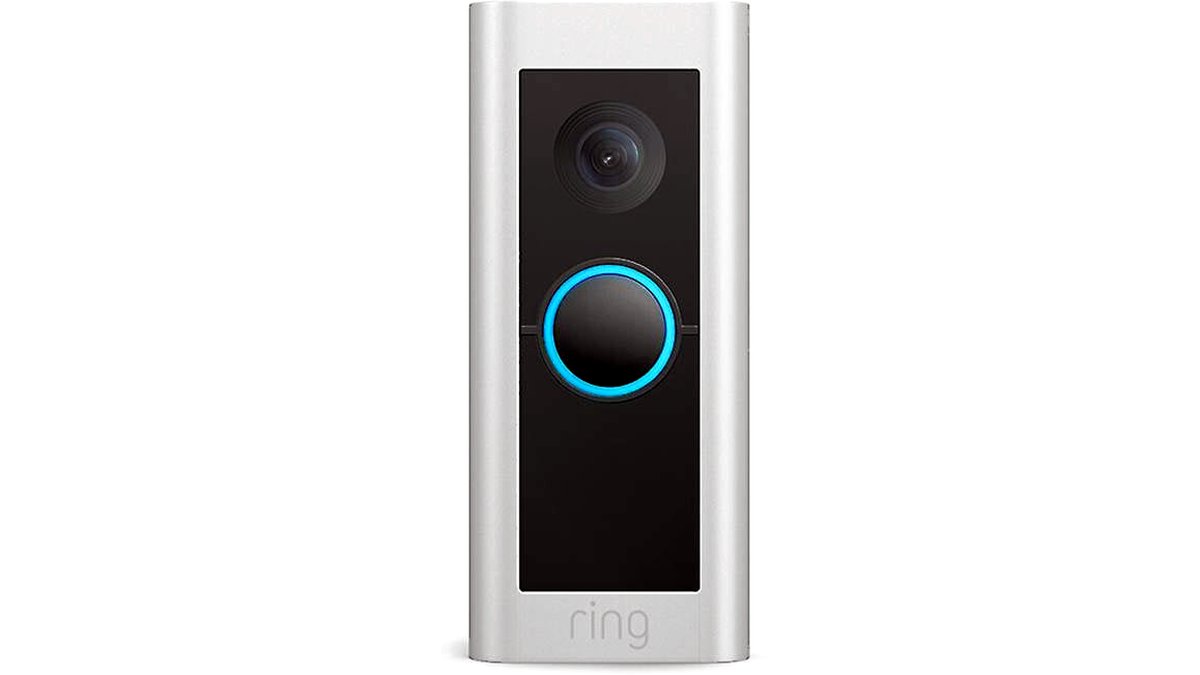
A doorbell replacement camera mounts at the door frame, giving the closest possible view of visitors and packages. These units typically combine a chime trigger, two-way audio, and a vertical-biased lens. They suit porches where the door is the main point of entry and package drop zone. Limits: field of view rarely extends to cover a full porch width or a driveway off to the side, and wired models require compatible doorbell transformer voltage.
Wire-Free Battery Cameras
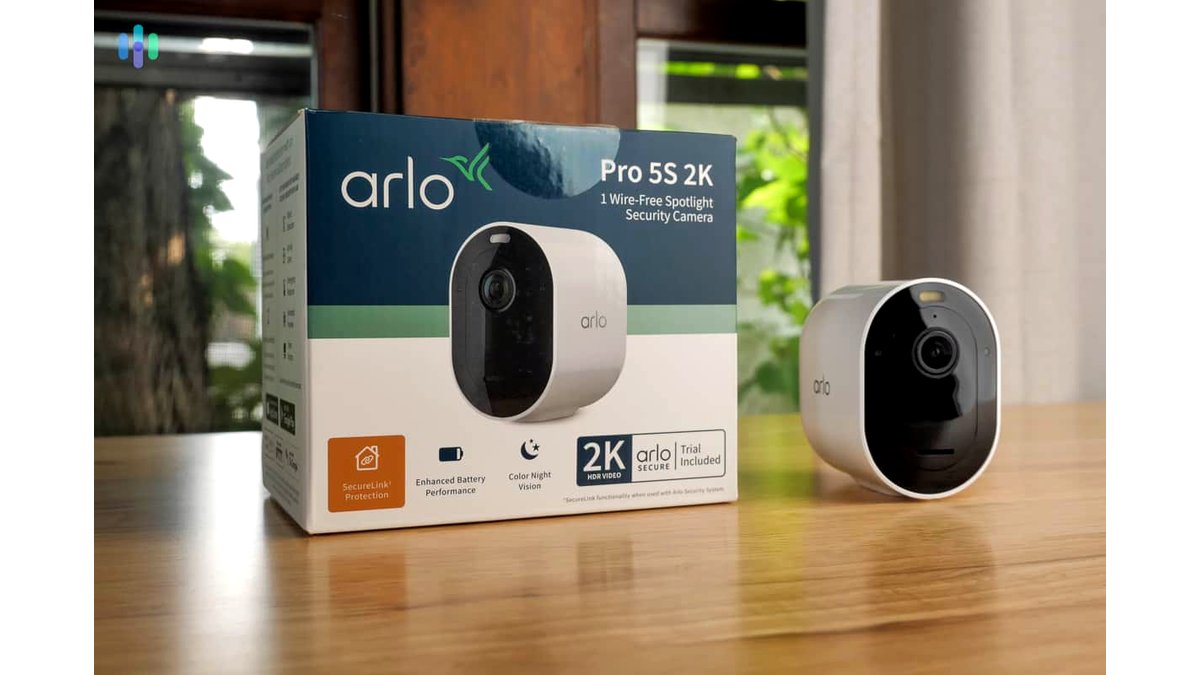
Battery-powered cameras mount anywhere there’s a wall or eave, independent of existing wiring. They suit renters, porches without doorbell wiring, or placements away from the door itself, such as a porch post facing the walkway. Limits: battery life varies widely by brand, motion frequency, and temperature, and very cold climates shorten runtime noticeably.
Wired or PoE Cameras
Wired cameras draw continuous power from a nearby outlet or a PoE network cable, removing the battery-recharge cycle entirely. They suit owners who want continuous recording rather than motion-triggered clips only, and who are comfortable running a cable or already have an outlet near the mounting point. Limits: installation takes more effort, and outdoor-rated extension cords or conduit may be needed depending on the mounting location.
All-in-One Hub Systems
Some brands sell the porch camera as part of a broader home security system that includes a hub, sensors, and an alarm siren. These suit buyers who want porch coverage integrated with whole-home monitoring. Limits: higher upfront commitment and sometimes a required monthly plan for full functionality.
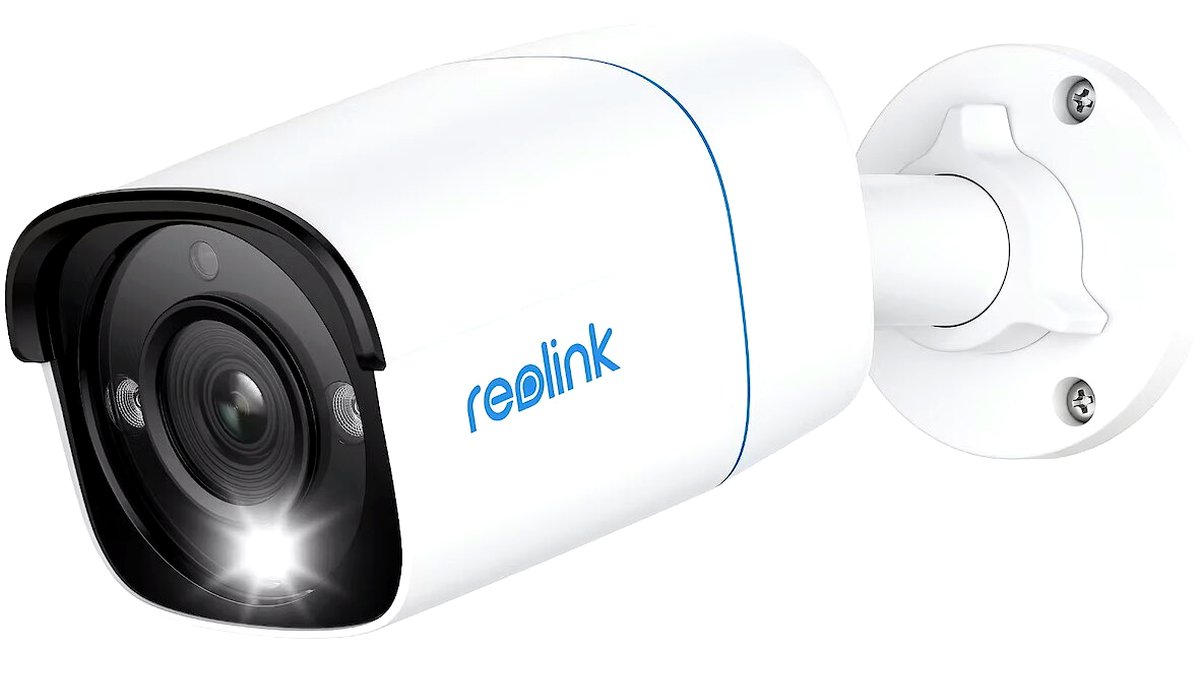
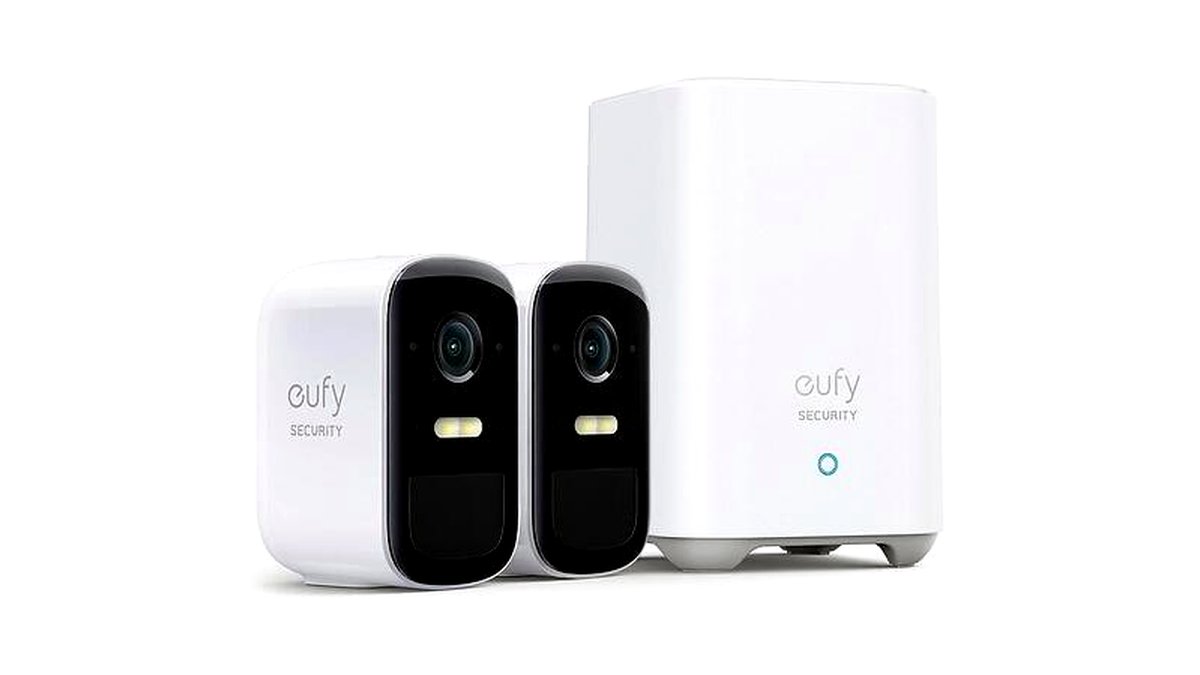
At a Glance: Porch Camera Types Compared
| Camera Type | Best For | Key Stated Specs | Limits |
|---|---|---|---|
| Doorbell-style | Door-area package and visitor alerts | Vertical field-of-view mode, two-way audio, chime trigger | Narrow coverage away from the door itself |
| Wire-free battery | Flexible placement, no existing wiring | Rechargeable or swappable battery, wireless app alerts | Periodic recharging; shorter runtime in cold weather |
| Wired/PoE | Continuous recording, fixed mounting point | Constant power, often higher-resolution sensor | Requires cable run or nearby outlet |
| Hub-based system | Whole-home security integration | Central hub, expandable sensors, siren option | Higher setup cost; some features need a subscription |
Pick X If…
| If You… | Choose |
|---|---|
| Already have doorbell wiring and want the simplest install | A wired doorbell-style camera |
| Rent or can’t modify existing wiring | A wire-free battery camera |
| Want 24/7 continuous video, not just motion clips | A wired or PoE camera with a nearby power source |
| Want porch coverage tied into a full alarm system | A hub-based security system |
| Have a wide porch with a side approach, not just the front door | A camera with a wider horizontal field of view, mounted away from the door |
Fit, Mounting, and Compatibility Notes
Doorbell-style cameras need to match the existing mounting hole spacing or come with an adapter plate; measure the current doorbell’s footprint before ordering a direct replacement. Wired units pulling from a doorbell transformer also need to match the voltage range the maker specifies, since transformers vary between roughly 8V and 24V AC depending on the home’s age and existing chime hardware; a smart chime or a compatible add-on resolves most mismatches according to maker documentation.
Wire-free cameras mount with screws into siding, brick, or a porch post, and most brands include a mounting bracket with an adjustable angle. For brick or stucco, a masonry bit and anchors are typically needed in addition to the included bracket hardware. PoE cameras need a run of outdoor-rated Ethernet cable or a nearby PoE injector; check the maximum supported cable length the maker lists, since standard Ethernet distance limits apply.
Weather rating matters even on a covered porch, since wind-driven rain and temperature swings still reach most entryways. Look for an IP65 or similar weatherproofing rating stated by the maker, and check the operating temperature range if the porch sees hard freezes or high heat.
Alternatives Worth Considering
A standalone motion-activated floodlight with an integrated camera is worth considering for porches that also need better nighttime visibility, since it combines lighting and recording in one fixture rather than two separate purchases. For buyers who already own a video doorbell but want wider porch coverage, adding a second, separate wire-free camera aimed down the porch length fills the gap without replacing the doorbell itself. A basic Wi-Fi camera without smart-home integration is also worth a look for anyone who only wants a live view and simple clip alerts, since it typically costs less and has fewer setup steps than a full ecosystem device.
Frequently Asked Questions
Do I need a subscription to use a porch security camera?
Most brands offer at least basic motion alerts and a live view without a paid plan, but extended video history, person detection, and multi-camera cloud storage are often subscription features. Check the free-tier limits listed by the maker before buying if ongoing fees are a concern.
How wide a field of view do I need for a porch?
For a standard single-door porch, a camera with a vertical field-of-view mode or a square sensor ratio captures both the package on the ground and a visitor’s face in one frame. Wider porches with a side walkway benefit from an additional camera or a wider horizontal angle, since no single lens covers both a tall subject and a wide area equally well.
Will a battery camera work through winter?
Cold weather reduces battery runtime on most wire-free cameras, sometimes significantly, according to maker documentation and independent reviewers. Owners in cold climates often choose a wired model for the porch specifically to avoid cold-weather recharging, or keep a spare battery on hand to swap in.
Can I install a porch camera myself?
Wire-free battery cameras generally need only a drill and the included bracket, making them straightforward for most owners to mount. Wired or doorbell-transformer-powered cameras involve working with low-voltage wiring, and anyone unfamiliar with that wiring should consult an electrician or the installation guide closely before proceeding.
What happens to recordings if my internet goes down?
Cloud-only cameras stop uploading new clips during an outage and typically resume once connectivity returns, though the gap in coverage is permanent. Cameras with local microSD storage or a hub with onboard storage continue recording during an internet outage and sync once the connection is restored, according to maker documentation.
Do these cameras work with voice assistants or smart displays?
Many current porch cameras support at least one major smart-home ecosystem for viewing a live feed on a smart display or through voice command, though the exact level of integration varies by brand and model. Check the specific compatibility list the maker publishes rather than assuming universal support.