Key takeaways
- In-camera multiple exposure blending: Some photographers simulate long-exposure looks by blending several shorter exposures in post-processing instead of using a physical ND filter, though this works better for some subjects (like star trails) than others (like silky water).
- Polarizing filter alone: A polarizer cuts glare and modestly reduces light (roughly 1-2 stops) while also deepening sky color, which suits photographers who want those effects without a strong ND’s long exposure times.
- Software-based long-exposure simulation: Certain editing tools attempt to simulate motion blur digitally, though the results generally look less natural than an actual long exposure for moving water or clouds.
A landscape photographer wanting longer exposures of moving water or clouds in bright daylight needs a fixed-density ND filter in the 6-10 stop range, while a photographer who shoots across changing light conditions through the day benefits more from a variable ND filter that adjusts stops without swapping glass, and anyone shooting with a wide-angle lens needs to check for vignetting and color-cast issues that affect wide lenses more than standard ones.
As an Amazon Associate, we earn from qualifying purchases made through links on this page.
What an ND Filter Does for Landscape Work
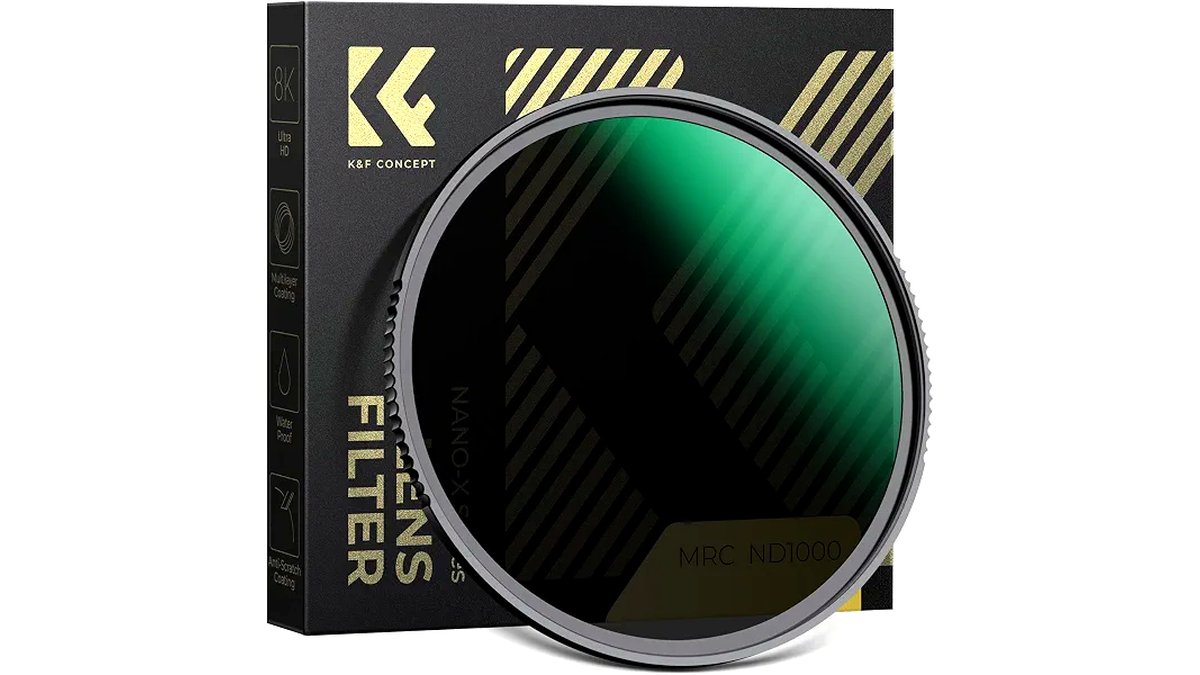
A neutral density (ND) filter reduces the amount of light reaching the sensor without changing color, which lets a photographer use a slower shutter speed or wider aperture in bright conditions than would otherwise be possible. In landscape photography this is used mainly to blur moving water into a smooth, silky look, to smear clouds into streaks across the sky, to blur crowds or traffic out of a long-exposure cityscape, or to allow a wider aperture for shallow depth of field in bright midday light. The filter’s strength is measured in stops of light reduction (each stop halves the light reaching the sensor) or in an optical density number, and manufacturers list both figures on current products.
Fixed vs. Variable ND Filters
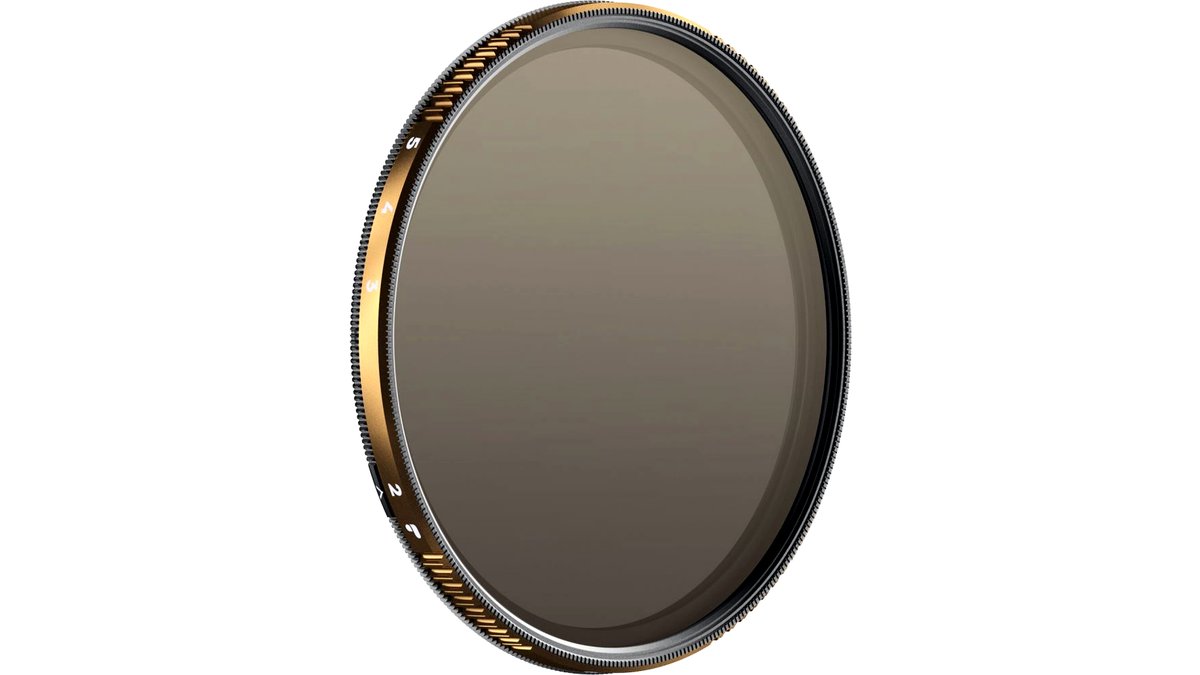
A fixed ND filter blocks a set, unchanging amount of light, commonly sold in 3, 6, and 10-stop strengths, and produces the most predictable, consistent color and sharpness since it uses a single piece of glass or resin at one density. A variable ND filter combines two rotating polarizing layers to let the photographer dial in a range of strengths (commonly something like 2-8 stops) with one filter, which is convenient for changing light through a day of shooting but can introduce an uneven dark band or color cast at its extreme settings, an effect that is more noticeable on wide-angle lenses. Many landscape photographers carry a few fixed-strength filters for predictable long exposures and treat a variable ND as a convenience option rather than their primary tool for critical long-exposure shots.
At a Glance: ND Filter Types
| Type | Best for | Key stated specs | Limits |
|---|---|---|---|
| Fixed 3-stop ND | Mild light reduction, slight motion blur, wider aperture in bright light | Consistent, single fixed density | Not strong enough for dramatic long-exposure water/cloud blur in bright daylight |
| Fixed 6-stop ND | Moderate long exposures, waterfalls, flowing streams | Consistent fixed density, commonly glass or resin | May still need very bright conditions for multi-minute exposures |
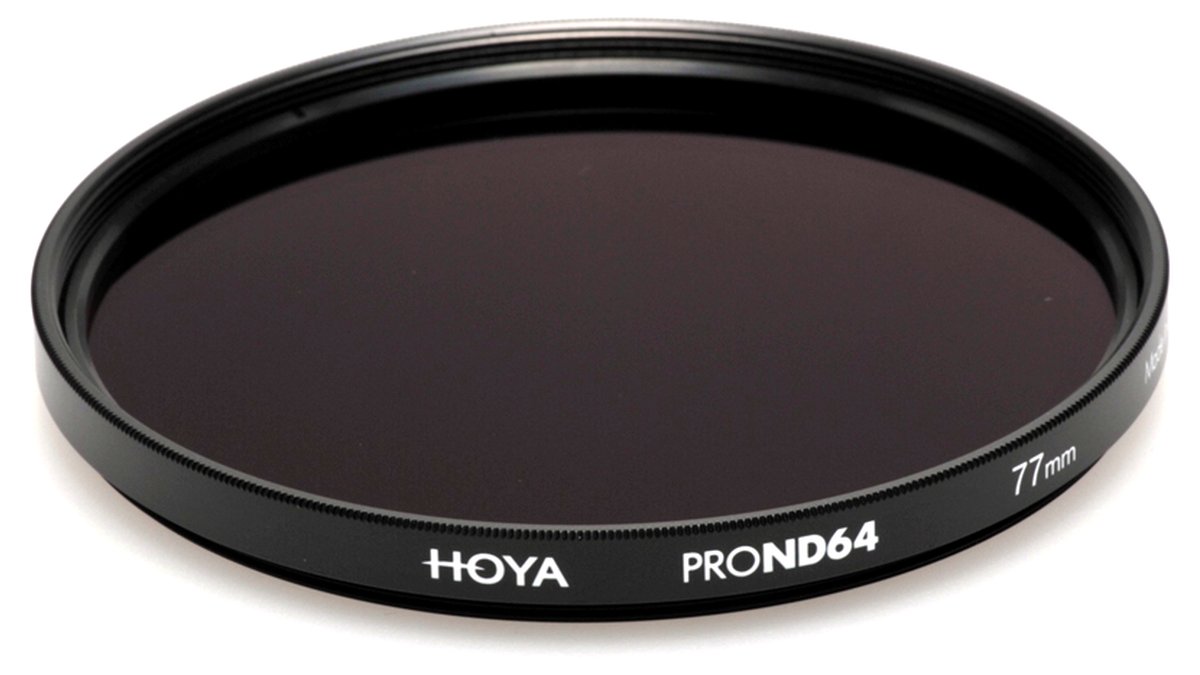
| Fixed 10-stop ND | Strong long exposures, smoothing ocean/cloud motion in daylight | Consistent fixed density, often needs a tripod and remote/timer | Very dark through the viewfinder before shooting; focusing beforehand is easier |
| Variable ND (2-8 stop range typical) | Changing light through the day, video work, convenience | Adjustable range via rotation, one filter instead of several | Possible uneven darkening/color cast at extreme settings, especially on wide lenses |
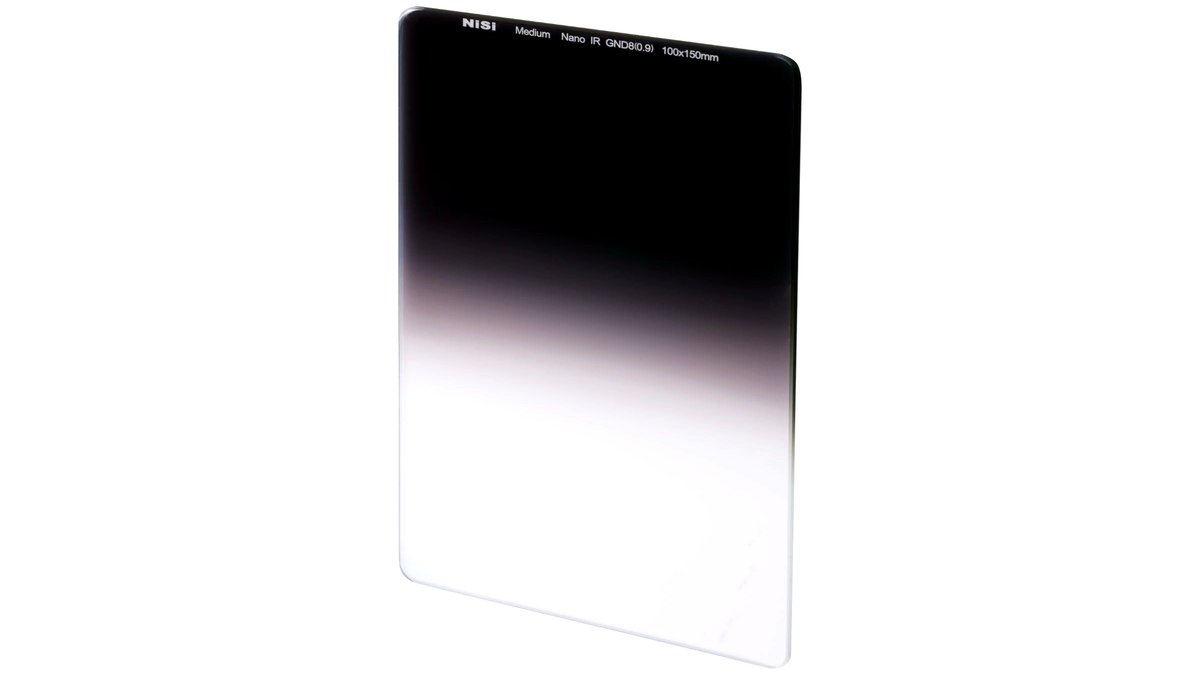
| Graduated ND filter | Balancing a bright sky against a darker foreground | Gradient density across the filter, often used in a filter holder system | Different purpose than a standard ND; not for overall long-exposure blur |
Filter Materials and Thread/Holder Systems
ND filters come as round screw-in filters sized to a specific lens thread diameter, or as square/rectangular filters used in a holder system that mounts to the front of the lens. Screw-in filters are more compact and simpler for a single-lens setup, while holder systems let a photographer use the same filter across multiple lenses with different thread sizes via step-up rings or adapter plates, which is more economical for anyone with several lenses. Glass filters generally resist scratching better and maintain color accuracy more consistently than resin filters, while resin filters are typically lighter and less expensive, a tradeoff worth weighing against how carefully the filter will be handled in the field.
Color Cast and Sharpness Considerations
Cheaper ND filters, especially at higher stop strengths, often introduce a visible color cast (commonly a cool blue or warm magenta shift) that needs correcting in post-processing, while higher-quality multicoated glass filters are marketed specifically on minimizing this effect. Stacking multiple filters, such as a variable ND plus a polarizer, increases the risk of vignetting on wide-angle lenses and can slightly reduce overall image sharpness, so landscape photographers using wide lenses should check a specific filter’s thinness and any maker-stated vignetting notes before buying. Shooting in RAW format gives more latitude to correct any color cast during editing than shooting JPEG only.
Pick-X-If Decision Table
| Situation | Pick this type |
|---|---|
| Shooting waterfalls or streams in moderate daylight | Fixed 6-stop ND filter |
| Midday ocean, cloud-streak, or crowd-removal long exposures | Fixed 10-stop ND filter with a tripod |
| Shooting across a full day with shifting light, or shooting video | Variable ND filter, checked for even darkening at its range extremes |
| Bright sky against a dark foreground in one frame | Graduated ND filter, often in addition to a standard ND |
| Multiple lenses with different thread sizes | Holder-system square/rectangular filters with step-up adapters |
Practical Field Notes
A sturdy tripod is effectively required for any ND filter strong enough to produce a multi-second or multi-minute exposure, since any camera movement during that time blurs the entire frame, not just the intended moving elements. At very strong densities like 10 stops, the viewfinder or live-view image can become too dark to compose and focus normally, so many photographers focus and compose first with the filter off, then attach it and recalculate exposure using the camera’s meter, an app, or a conversion chart. A remote shutter release or the camera’s built-in timer avoids the small vibration from pressing the shutter button directly, which matters more as exposure times get longer.
Alternatives Worth Comparing
- In-camera multiple exposure blending: Some photographers simulate long-exposure looks by blending several shorter exposures in post-processing instead of using a physical ND filter, though this works better for some subjects (like star trails) than others (like silky water).
- Polarizing filter alone: A polarizer cuts glare and modestly reduces light (roughly 1-2 stops) while also deepening sky color, which suits photographers who want those effects without a strong ND’s long exposure times.
- Software-based long-exposure simulation: Certain editing tools attempt to simulate motion blur digitally, though the results generally look less natural than an actual long exposure for moving water or clouds.
Frequently Asked Questions
What stop strength ND filter do I need for waterfalls?
A 6-stop ND filter is a common starting point for waterfalls and flowing streams in typical daylight, giving a few seconds of exposure time for smooth-looking water. Brighter conditions or a desire for an even smoother, longer blur may call for a 10-stop filter instead.
Do variable ND filters work well on wide-angle lenses?
They can introduce an uneven dark band or color cast at the extreme ends of their adjustment range, and this effect is generally more visible on wide-angle lenses because of the wider angle of light hitting the filter. Checking reviews or the maker’s own notes on a specific variable ND’s performance on wide lenses before buying helps avoid disappointment.
Will an ND filter change the color of my photos?
A well-made neutral density filter is designed to reduce light without shifting color, but cheaper or lower-quality filters, especially at higher stop strengths, often introduce a visible cool or warm color cast. Shooting in RAW format and correcting white balance in post-processing can address a mild cast if it occurs.
Do I need a tripod to use an ND filter?
For any exposure long enough to produce visible motion blur, which is the main reason to use a strong ND filter, a stable tripod is effectively necessary since handheld shots will blur the entire image from camera shake. A remote shutter release or built-in camera timer further reduces vibration during the exposure.
Can I stack an ND filter with a polarizer?
Yes, many landscape photographers stack an ND and a polarizer to combine longer exposure times with reduced glare and deeper sky color, though stacking increases the risk of vignetting, especially on wide-angle lenses, and adds another layer that can slightly affect sharpness. Checking a lens’s front thread size and filter thickness before stacking helps avoid vignetting issues.
How do I calculate the right exposure time with a strong ND filter attached?
Most photographers meter the scene without the filter first, then use a conversion chart, a long-exposure calculator app, or the stop-reduction math printed on the filter to determine the new shutter speed. Many current camera bodies also support exposure metering with the filter attached at lower stop strengths, though very dark filters like 10-stop models often exceed the camera’s built-in metering range.