Key takeaways
- Amperage rating matched to your panel: Transfer switches are rated for specific amperage (commonly 100A, 200A, or higher for whole-house use, lower for sub-panel/essential-circuit switches); the rating must match or exceed your home’s panel and generator output as specified by the manufacturer and local code.
- Whole-house vs selected-circuit coverage: A whole-house ATS backs up the entire panel, which requires a correspondingly large standby generator; a smaller ATS wired to a sub-panel of essential circuits works with a smaller generator but requires deciding in advance which circuits get backup power.
- Generator compatibility: Confirm the switch is designed to pair with your specific generator’s output (voltage, phase, and starting signal type); standby generator and transfer switch kits are often sold matched by the same manufacturer for guaranteed compatibility.
- Service entrance rating and UL listing: Look for switches that state compliance with relevant UL standards for transfer switches, and confirm with a licensed electrician whether your installation needs a service-entrance-rated switch.
- Indoor vs outdoor enclosure rating: Transfer switches installed outdoors need a weatherproof-rated enclosure; indoor-rated units are not a safe substitute outdoors.
- Number of transfer poles and neutral handling: Code requirements for neutral switching (switched vs solid neutral) vary by installation type and local code; this is a detail for your electrician to confirm rather than something to guess at from a spec sheet.
A whole-house automatic transfer switch suits homeowners who want their standby generator to power the entire panel without manual intervention during an outage, while a smaller automatic transfer switch paired with a transfer panel or sub-panel suits anyone running a portable or mid-size generator to power just the essential circuits; the right choice depends on generator size, how many circuits need backup power, and whether you want fully hands-off switching.
As an Amazon Associate, we earn from qualifying purchases made through links on this page.
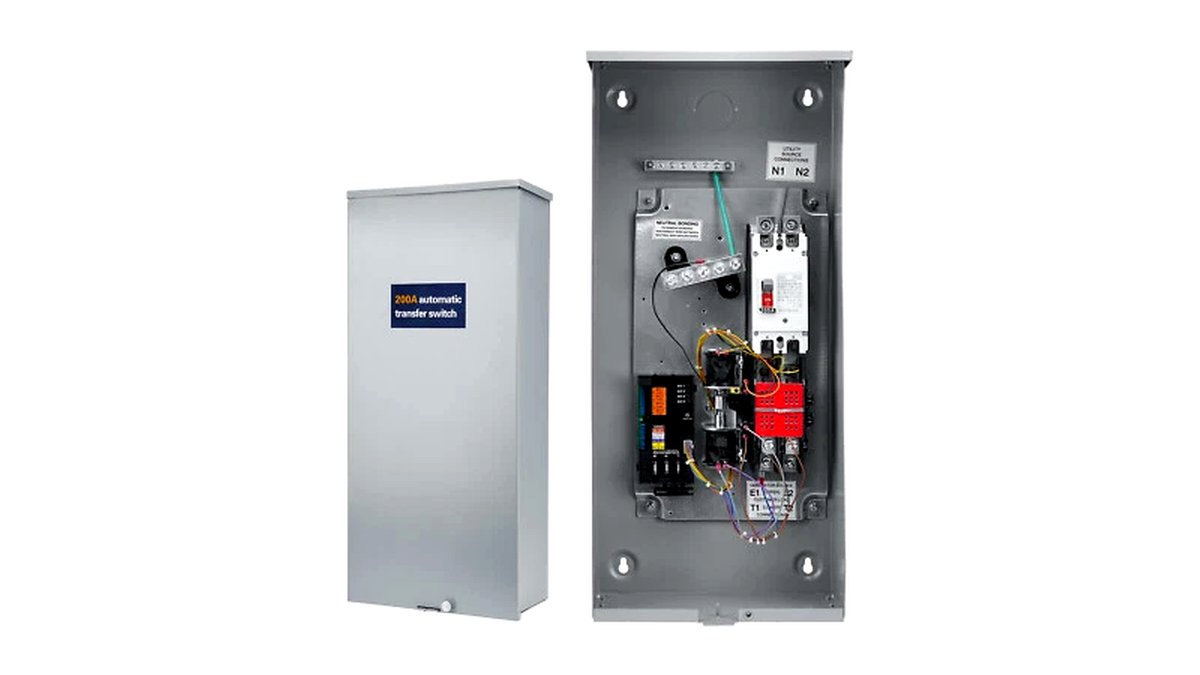
What an Automatic Transfer Switch Does
An automatic transfer switch (ATS) monitors utility power and, when it detects an outage, signals a standby generator to start and then switches the connected circuits from utility power to generator power, typically within seconds. When utility power returns, the switch transfers circuits back and signals the generator to shut down. This automation is the key difference from a manual transfer switch, which requires a person to flip the switch and start the generator by hand. Automatic switches are most commonly paired with permanently installed standby generators, though some transfer systems are designed to work with larger portable generators as well.
What to Look For Before Buying
- Amperage rating matched to your panel: Transfer switches are rated for specific amperage (commonly 100A, 200A, or higher for whole-house use, lower for sub-panel/essential-circuit switches); the rating must match or exceed your home’s panel and generator output as specified by the manufacturer and local code.
- Whole-house vs selected-circuit coverage: A whole-house ATS backs up the entire panel, which requires a correspondingly large standby generator; a smaller ATS wired to a sub-panel of essential circuits works with a smaller generator but requires deciding in advance which circuits get backup power.
- Generator compatibility: Confirm the switch is designed to pair with your specific generator’s output (voltage, phase, and starting signal type); standby generator and transfer switch kits are often sold matched by the same manufacturer for guaranteed compatibility.
- Service entrance rating and UL listing: Look for switches that state compliance with relevant UL standards for transfer switches, and confirm with a licensed electrician whether your installation needs a service-entrance-rated switch.
- Indoor vs outdoor enclosure rating: Transfer switches installed outdoors need a weatherproof-rated enclosure; indoor-rated units are not a safe substitute outdoors.
- Number of transfer poles and neutral handling: Code requirements for neutral switching (switched vs solid neutral) vary by installation type and local code; this is a detail for your electrician to confirm rather than something to guess at from a spec sheet.
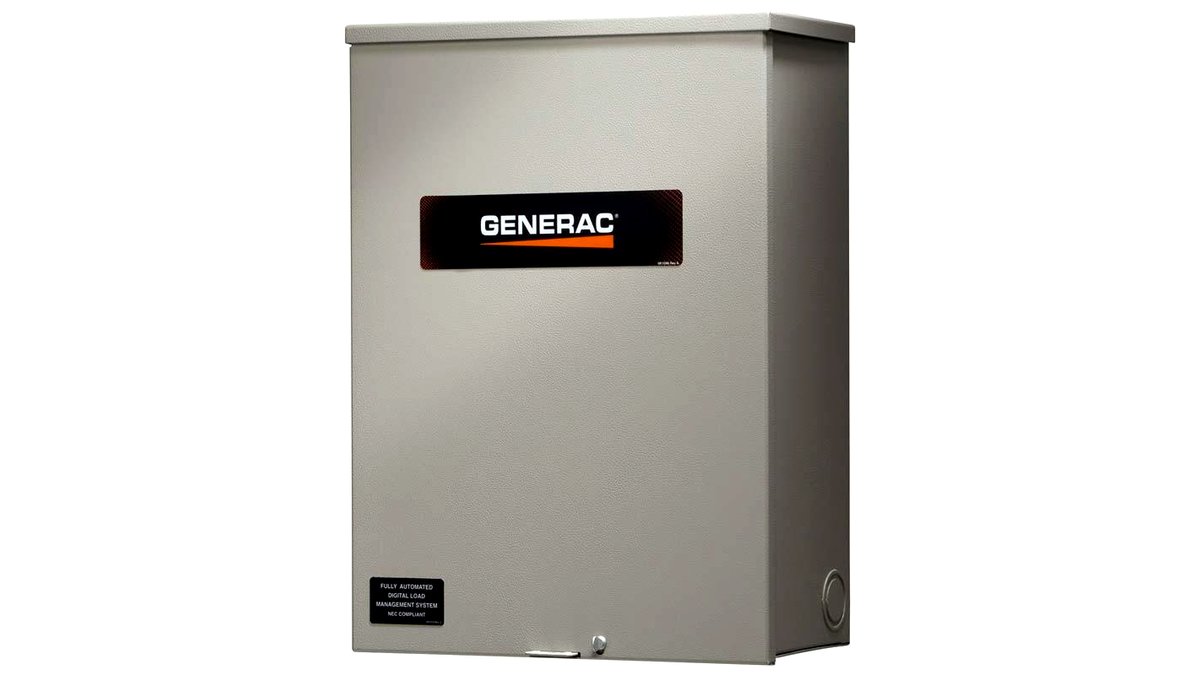
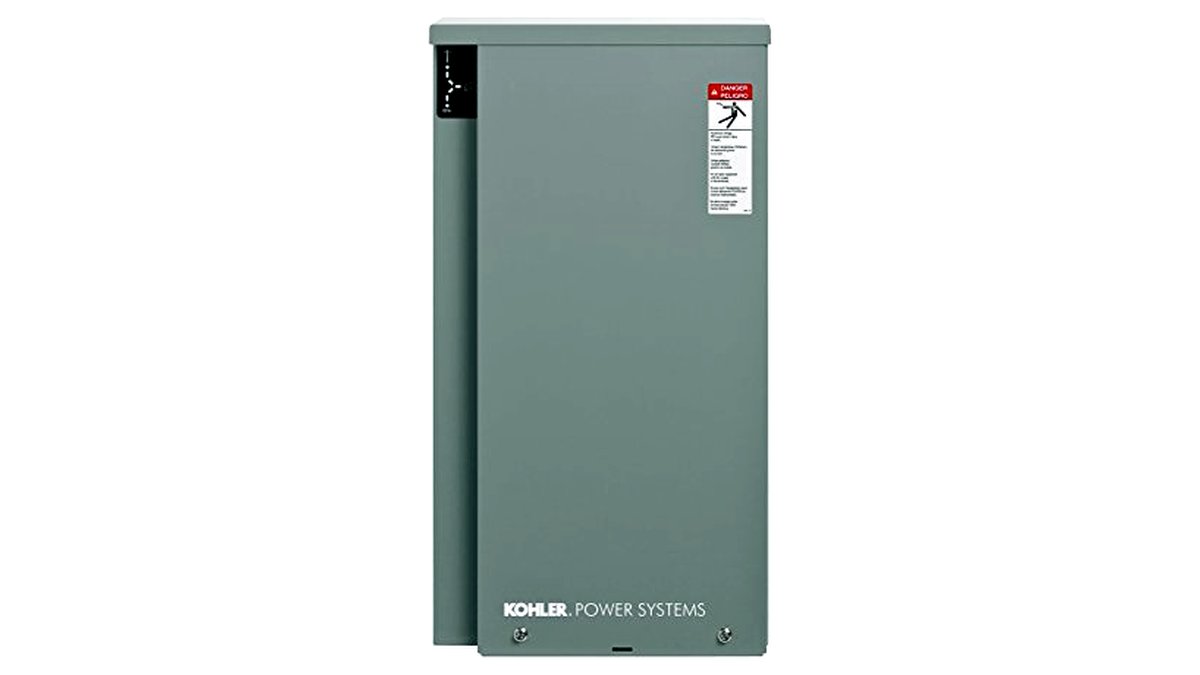
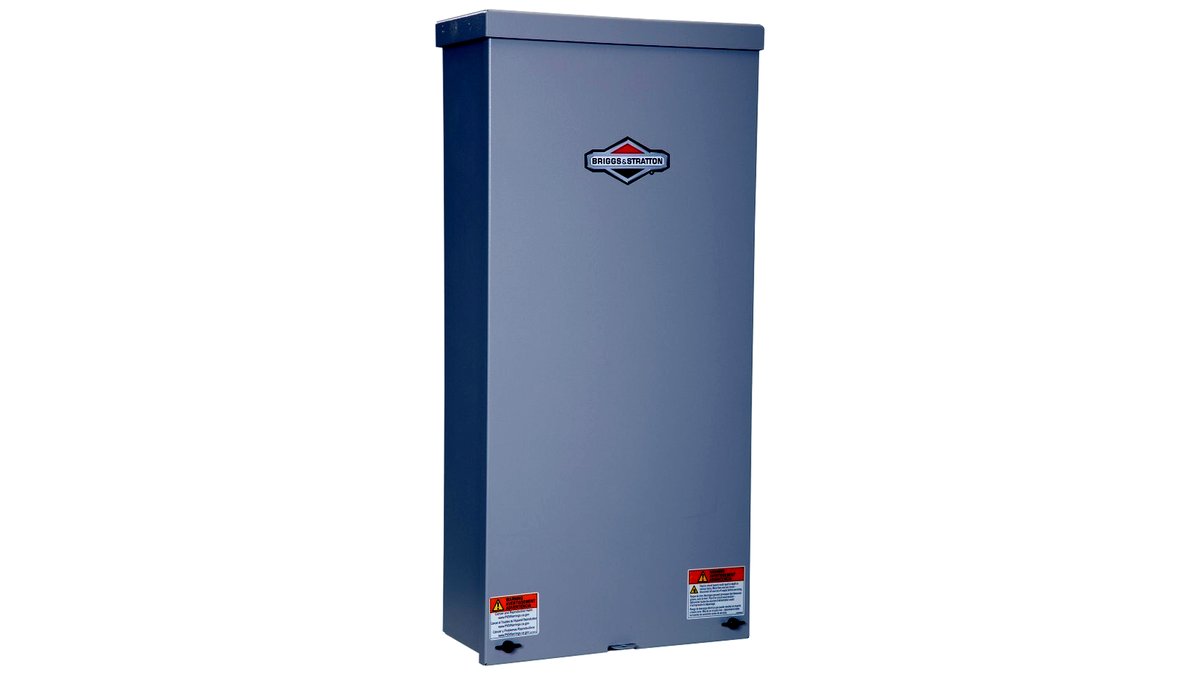
At a Glance: Automatic Transfer Switch Types
| Type | Best For | Key Stated Specs | Limits |
|---|---|---|---|
| Whole-house automatic transfer switch | Homes with a large standby generator meant to power the entire panel | Amperage rated to match main panel, commonly 200A for larger homes; full-panel transfer | Requires a correspondingly large, usually permanently installed, standby generator |
| Essential-circuits automatic transfer switch / sub-panel | Homes using a smaller standby generator for key circuits only | Lower amperage rating sized to the generator; pairs with a dedicated sub-panel of chosen circuits | Circuits not wired to the sub-panel stay without power during an outage |
| Manufacturer-matched generator and ATS kit | Buyers who want guaranteed compatibility without separately verifying specs | Sold as a matched set by generator makers; often simplifies installation and warranty coverage | Less flexibility to mix brands or upgrade generator size later |
| Transfer switch for portable generator use | Homes using a portable generator but wanting safer, more automated switching than a manual interlock | Designed around portable generator output ranges; some models still require manual generator start | Not all portable-generator transfer systems are fully automatic; confirm this specifically before buying |
Pick X If…
| Choose This | If You… |
|---|---|
| Whole-house ATS | Have or plan to install a large standby generator and want the entire home powered during an outage |
| Essential-circuits ATS/sub-panel | Have a smaller generator and only need specific circuits (fridge, well pump, some lighting) backed up |
| Matched generator/ATS kit | Want simplified compatibility and a single-manufacturer warranty |
| Portable-generator transfer system | Already own a portable generator and want safer, code-compliant switching instead of a manual interlock |
Installation and Safety Notes
Automatic transfer switch installation involves connecting to your home’s main electrical service and, in most jurisdictions, requires a permit and inspection; this is not a DIY electrical project for anyone without licensed electrical experience. A licensed electrician should size the switch to your panel and generator, confirm local code requirements (including neutral switching and grounding configuration), and handle the physical installation and permitting. Improperly installed transfer equipment risks backfeeding power into utility lines, which is a serious safety hazard to utility workers and neighboring properties, in addition to risking damage to your own electrical system.
Because standby generators and transfer switches are a life-safety and emergency-power topic, follow the manufacturer’s manual for maintenance (including periodic exercise cycles many standby generators run automatically) and have the system inspected by a qualified technician if you notice delayed transfer, failure to start the generator, or any unusual noise or smell from the switch enclosure.
Alternatives Worth Considering
- Manual transfer switch: A lower-cost option for anyone willing to flip switches and start a generator by hand during an outage, trading convenience for a smaller upfront cost.
- Interlock kit for a portable generator: A code-compliant alternative to a full transfer switch in some jurisdictions, mechanically preventing the main breaker and a generator breaker from being on at the same time; check local code for whether this is permitted in your area.
- Battery backup/home battery system: An option for shorter outages or homes wanting quiet, fuel-free backup for essential circuits, generally with lower sustained output than a generator-based system.
Planning Generator Size Alongside the Switch
Choosing a transfer switch is really a joint decision with generator sizing, since the switch’s amperage rating only matters relative to what the generator can actually supply. A whole-house switch paired with an undersized generator won’t magically power every circuit at once; the generator’s running and starting wattage still has to cover whatever loads are active when an outage hits. Many standby generator manufacturers publish load calculators or sizing worksheets that account for major appliances like well pumps, HVAC compressors, and electric water heaters, which draw significantly more starting power than running power.
For essential-circuits setups, deciding which circuits go on the sub-panel ahead of time is worth doing carefully with a licensed electrician, since adding circuits later generally means additional wiring work rather than a simple switch flip. Common choices include refrigeration, a sump or well pump, select lighting circuits, and a few general-use outlets, while large single-purpose loads like an electric range or dryer are often left off a smaller backup setup.
Frequently Asked Questions
Can I install an automatic transfer switch myself?
This is generally not recommended without licensed electrical experience, since the switch connects to your home’s main electrical service and improper installation risks serious safety hazards, including backfeeding power onto utility lines. Most jurisdictions also require a permit and inspection for this type of work, so plan for a licensed electrician to handle installation.
What size automatic transfer switch do I need?
Sizing depends on your home’s main panel amperage and your generator’s output, and these must be matched according to the manufacturer’s specifications and local electrical code. A licensed electrician or the generator manufacturer’s sizing guide can confirm the correct amperage rating for your specific setup rather than estimating from general rules of thumb.
How fast does an automatic transfer switch react during an outage?
Switching time varies by product and generator start-up time, but many standby systems are designed to restore power within roughly 10 to 30 seconds of detecting an outage, covering the time needed for the generator to start and stabilize. Check the specific manufacturer’s stated transfer time rather than assuming all systems perform identically.
Does an automatic transfer switch work with any generator brand?
Not necessarily; compatibility depends on matching voltage, phase, and control signal requirements between the switch and generator, which is why many manufacturers sell matched generator-and-switch kits. If mixing brands, confirm compatibility with both manufacturers or a licensed electrician before purchasing.
Do automatic transfer switches need regular maintenance?
Yes, like the generator they’re paired with, transfer switches benefit from periodic inspection, and many standby generator systems include automatic self-test or exercise cycles that also help verify the switch functions correctly. Follow the manufacturer’s maintenance schedule and have a qualified technician address any error codes or failed self-tests promptly.
What happens if the automatic transfer switch fails during an outage?
If a transfer switch fails, the generator may not power the connected circuits even if it starts and runs, or in rare failure modes it could create an unsafe condition; this is why proper installation, UL listing, and regular maintenance matter. If you suspect a transfer switch malfunction, have a licensed electrician inspect the system rather than attempting to diagnose or bypass it yourself.