Key takeaways
- Room sizing (BTU or wattage per square foot): Manufacturers publish sizing charts; most heating guides suggest roughly 10 watts per square foot for a well-insulated room with 8-foot ceilings, more for rooms with poor insulation, high ceilings, or large windows.
- Length and wattage combinations: Hydronic and resistance baseboards both come in standard lengths (commonly 2 to 8 feet) with wattage rising alongside length. Longer, lower-wattage units often spread heat more evenly than one short, high-wattage unit in the same room.
- Thermostat type: Built-in mechanical thermostats are the budget tier; separate wall-mounted electronic or smart thermostats, sold individually or bundled, give tighter temperature control and, on some models, programmable schedules.
- Double-pole vs single-pole wiring: Many baseboard heater circuits require a dedicated 240V double-pole thermostat and breaker; confirm what your electrical panel supports before buying, and have a licensed electrician handle the circuit if you are not comfortable with 240V wiring.
- Clearance and floor-length fit: Baseboards need clearance from curtains, furniture, and flooring materials per the manufacturer’s manual; always check the minimum clearances listed for the specific model before installing near beds, sofas, or drapes.
- Automatic safety cutoff: Look for units the maker states include an overheat or tip-related safety cutoff, especially in rooms used by children or pets.
Electric hydronic (hot water) baseboard heaters suit homeowners who want the steady, even warmth of old-fashioned hot-water heat without plumbing into a boiler, while standard electric resistance baseboards suit anyone who wants the lowest upfront cost and simplest install. The difference comes down to how the unit stores and releases heat, not just how it looks on the wall.
As an Amazon Associate, we earn from qualifying purchases made through links on this page.
How Electric Hydronic Baseboards Work
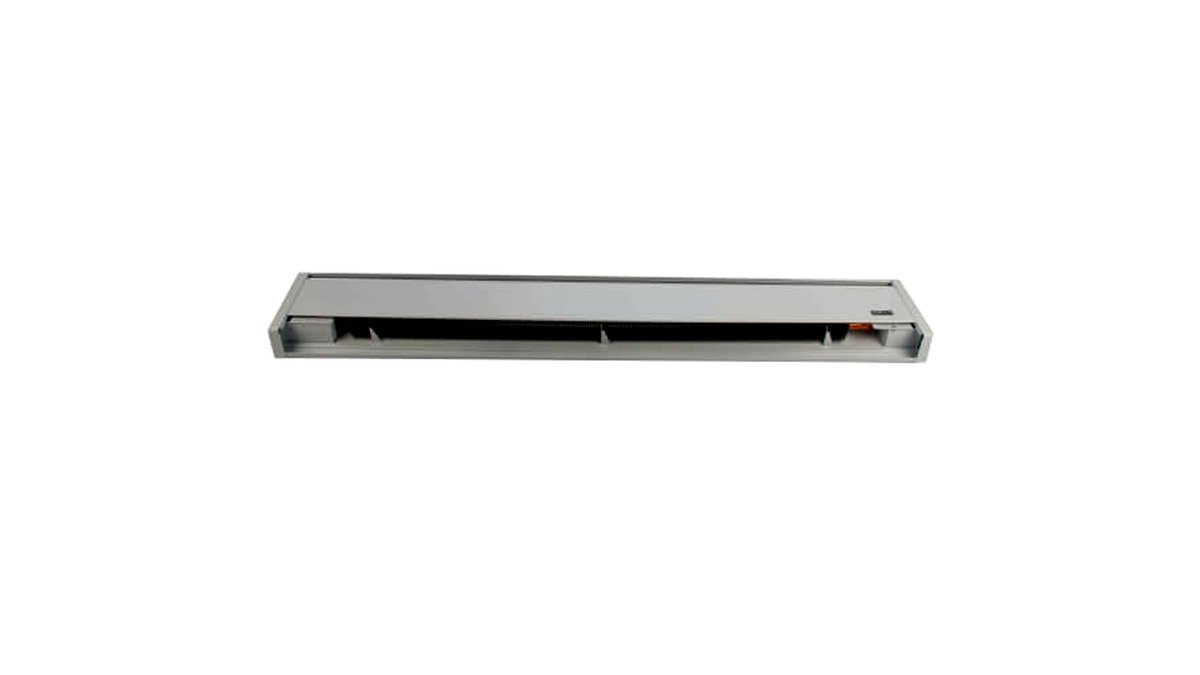
A hydronic electric baseboard heater is a sealed metal housing containing a fluid, usually a water-glycol mix or mineral oil, that an internal electric element warms. The fluid circulates by natural convection inside the sealed tube, and the heater radiates that warmth into the room over a longer period than a dry electric element does. Because the fluid retains heat, these units tend to cycle on and off less often and feel less drafty than resistance-only models, which some owners describe as closer to the comfort of a central hot-water system.
Standard electric resistance baseboards skip the fluid entirely. A bare or finned metal element heats up almost instantly and cools down just as fast once the thermostat cuts power. They are cheaper to buy and lighter to mount, but the heat output can feel less consistent room to room.
What to Look For Before Buying
- Room sizing (BTU or wattage per square foot): Manufacturers publish sizing charts; most heating guides suggest roughly 10 watts per square foot for a well-insulated room with 8-foot ceilings, more for rooms with poor insulation, high ceilings, or large windows.
- Length and wattage combinations: Hydronic and resistance baseboards both come in standard lengths (commonly 2 to 8 feet) with wattage rising alongside length. Longer, lower-wattage units often spread heat more evenly than one short, high-wattage unit in the same room.
- Thermostat type: Built-in mechanical thermostats are the budget tier; separate wall-mounted electronic or smart thermostats, sold individually or bundled, give tighter temperature control and, on some models, programmable schedules.
- Double-pole vs single-pole wiring: Many baseboard heater circuits require a dedicated 240V double-pole thermostat and breaker; confirm what your electrical panel supports before buying, and have a licensed electrician handle the circuit if you are not comfortable with 240V wiring.
- Clearance and floor-length fit: Baseboards need clearance from curtains, furniture, and flooring materials per the manufacturer’s manual; always check the minimum clearances listed for the specific model before installing near beds, sofas, or drapes.
- Automatic safety cutoff: Look for units the maker states include an overheat or tip-related safety cutoff, especially in rooms used by children or pets.
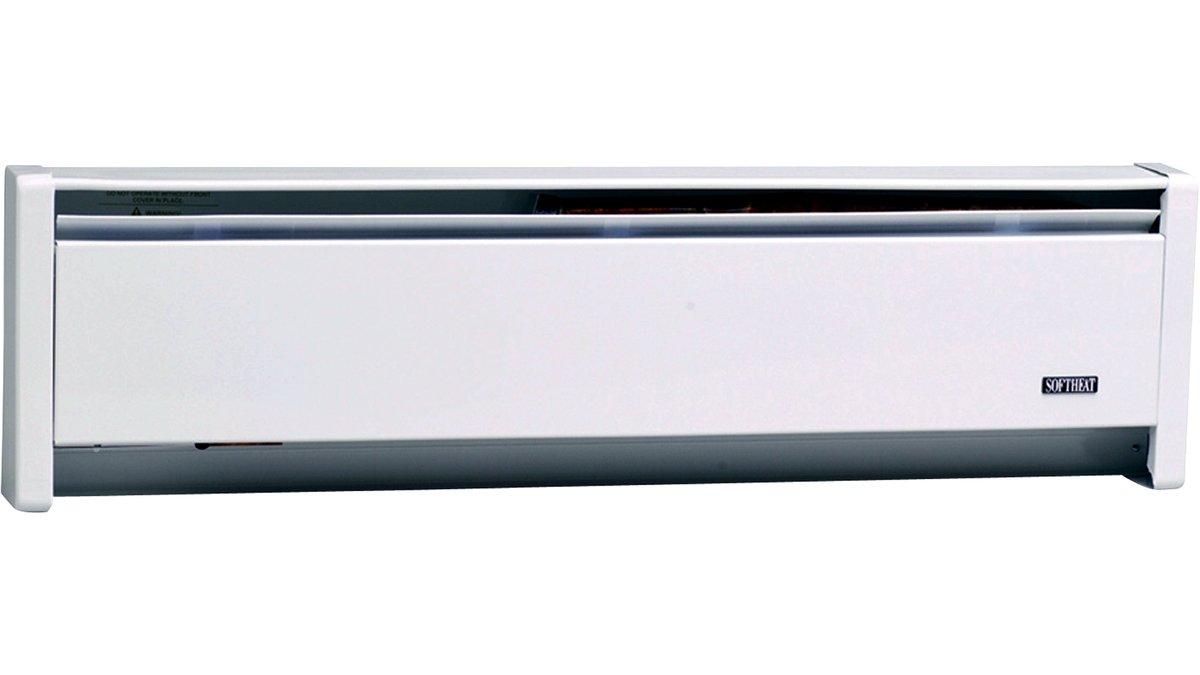
At a Glance: Baseboard Heater Types
| Type | Best For | Key Stated Specs | Limits |
|---|---|---|---|
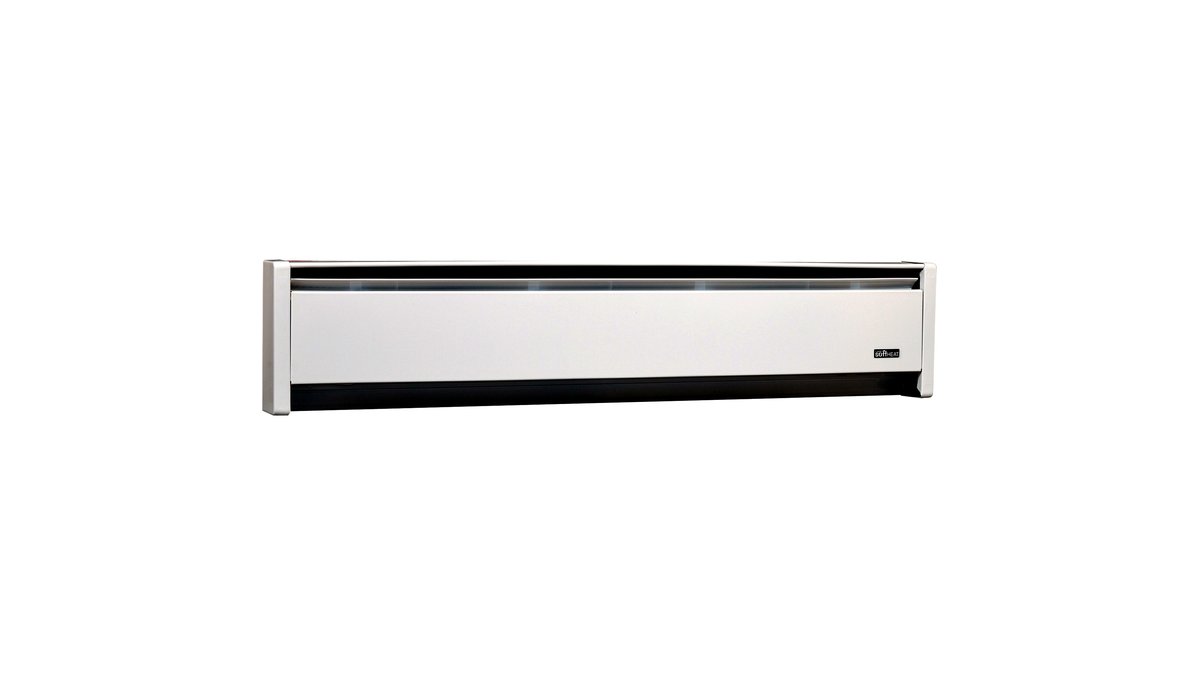
| Hydronic (fluid-filled) electric baseboard | Bedrooms, living rooms wanting steadier warmth | Sealed fluid reservoir; wattage typically scales with length; often rated for whole-room or supplemental zone heating | Heavier than dry-element units; slower to reach full output; higher unit cost |
| Standard resistance electric baseboard | Budget buyers, secondary rooms, basements | Bare or finned metal element; near-instant heat-up; wide range of lengths and wattages | Heat can feel less even; cycles on/off more; element can run hot to the touch |
| Baseboard with built-in electronic thermostat | Buyers who want one simple all-in-one unit | Integrated digital or mechanical thermostat; some offer programmable modes | Less precise than a quality wall thermostat; harder to upgrade thermostat later |
| Baseboard paired with separate wall thermostat | Multi-room zoning, tighter temperature control | Line-voltage wall thermostat rated for the heater’s amperage; some smart/Wi-Fi options exist | Needs extra wiring and a compatible double-pole thermostat; added install step |
Pick X If…
| Choose This | If You… |
|---|---|
| Hydronic electric baseboard | Want steadier, less drafty warmth and are willing to pay more upfront |
| Standard resistance baseboard | Need the lowest cost option for a rarely used room or as backup heat |
| Unit with separate wall thermostat | Are heating more than one zone and want independent temperature control per room |
| Unit with built-in thermostat | Want the simplest single-box install with no extra wiring decisions |
Sizing and Placement Notes
Baseboard heaters work best mounted along exterior walls, ideally under windows, because that is where cold air typically drops first; placing the heater there lets rising warm air counteract the draft. Manufacturers generally specify a minimum clearance from the floor and from the wall behind the unit, plus a minimum distance from curtains, bedding, and furniture; these numbers vary by model, so always check the installation manual rather than assuming a generic clearance. Carpet, rugs, and floor-length drapes near a baseboard heater raise fire risk if clearances are not followed, so measure the installation space before buying a specific length.
For whole-room heating, add up the wattage of multiple shorter baseboards rather than relying on one oversized unit crammed into a short wall run; this spreads the heat source and can reduce hot spots near the heater itself. If a room already has forced-air heat and the baseboard is meant as a supplement for a cold add-on room or basement, sizing can lean toward the lower end of the manufacturer’s recommended wattage range.
Alternatives Worth Considering
- Wall-mounted panel convection heaters: Take up less floor-level wall space than a long baseboard run and can be a better fit for small rooms with limited baseboard-length wall space.
- Electric radiant ceiling or wall panels: Avoid floor-level clearance concerns entirely, which can suit rooms with pets, young children, or heavy furniture against every wall.
- Portable oil-filled radiators: A non-permanent option for renters or anyone who wants supplemental heat without any electrical installation at all.
Installation and Safety Basics
Electric baseboard heaters, especially 240V hydronic models, typically require a dedicated circuit sized to the unit’s amperage draw; undersized wiring or a shared circuit can trip breakers or, in rare cases, pose a fire hazard. Because this is an electrical and heating safety topic, have a licensed electrician verify circuit capacity, breaker sizing, and wire gauge before installation, and follow the maker’s manual for mounting height, clearance, and thermostat compatibility. If a unit states a certification mark (such as UL or ETL listing), treat that as the maker’s safety claim and verify it is still present on the model you are buying rather than assuming it carries over from a previous version.
If you ever notice a baseboard heater producing a burning smell, discolored housing, or a breaker that trips repeatedly, shut off power at the breaker and have an electrician inspect the unit and wiring before using it again.
Frequently Asked Questions
Do electric hydronic baseboard heaters cost more to run than standard resistance baseboards?
Both heat types convert electricity to heat at essentially the same efficiency, so running cost mainly tracks wattage and how long the thermostat keeps the unit on, not the fluid-filled design itself. Because hydronic units retain heat and may cycle less frequently, some owners report more even comfort at a similar wattage, but actual energy use still depends on room insulation, thermostat settings, and local electricity rates.
Can I replace a hot-water boiler baseboard with an electric baseboard heater?
Yes, electric baseboard heaters are commonly used as a direct swap for hydronic boiler-fed baseboards, since both mount in the same general floor-level location, but the electrical side is different: a boiler system needs no dedicated electric circuit, while an electric unit does. Confirm your panel has capacity for the added electrical load before planning a swap, and consult an electrician for the circuit work.
How long does a typical electric baseboard heater last?
Service life varies by brand, usage hours, and climate, and manufacturers generally do not publish a single universal lifespan figure. Reviewers and installers commonly note that resistance elements are simple and can last many years with light duty, while thermostats and internal components are the parts most likely to need replacement first.
Is a hydronic or standard baseboard heater safer around pets and small children?
Both types can reach surface temperatures that warrant caution, so check whether the specific model you are considering states a maximum surface temperature or safety cutoff in its manual. Keep any baseboard heater, hydronic or resistance, clear of bedding, toys, and loose fabric regardless of type, and ask an electrician about additional safety covers if young children or pets are in the home.
What size breaker does an electric baseboard heater need?
Breaker size depends on the heater’s voltage and amperage draw as listed on its nameplate and installation manual, and it varies across models and lengths. Always size the circuit and breaker according to the specific unit’s electrical rating and local electrical code, and have a licensed electrician confirm the installation rather than estimating.
Can I mix hydronic and standard electric baseboards in the same house?
Yes, many homes use a mix, for example hydronic units in frequently occupied living spaces and standard resistance units in occasional-use rooms like guest bedrooms or basements. Each heater can typically be wired and thermostatically controlled independently, so mixing types mainly affects comfort and running characteristics rather than causing any compatibility issue between units.