Key takeaways
- Small shop or single-motor applications are best served by a manual motor starter with an integrated disconnect switch sized to the motor’s full-load amperage, while larger or frequently-cycled motors need a combination starter with a magnetic contactor and overload relay…
Small shop or single-motor applications are best served by a manual motor starter with an integrated disconnect switch sized to the motor’s full-load amperage, while larger or frequently-cycled motors need a combination starter with a magnetic contactor and overload relay built around the disconnect. Matching the starter’s horsepower and voltage rating to the motor, not just picking the cheapest unit that physically fits the panel, is the detail that actually determines safe, reliable operation.
As an Amazon Associate, we earn from qualifying purchases made through links on this page.
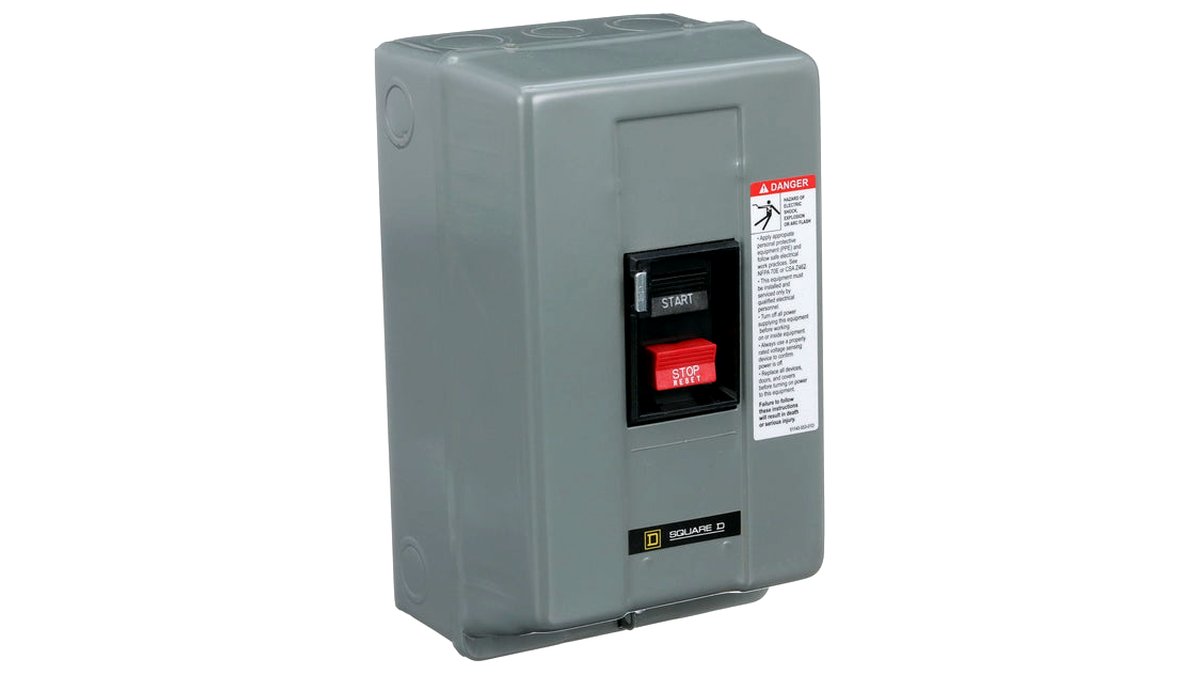
A motor starter with disconnect combines two functions in one enclosure: a disconnect switch that fully isolates the motor circuit from power for lockout/tagout safety, and a starter mechanism (manual contacts or a magnetic contactor) that controls when the motor runs. Many also include thermal overload protection that trips the circuit if the motor draws excessive current for too long, protecting the motor windings from heat damage.
What to Look For in a Motor Starter with Disconnect
Horsepower and Voltage Rating
The starter must be rated for the motor’s horsepower at the specific voltage it runs on, since the same horsepower motor draws different current at different voltages. Undersizing this rating is a safety hazard; the manufacturer’s rating chart (cross-referencing horsepower, voltage, and phase) is the authoritative source to check against your motor’s nameplate.
Manual vs. Magnetic (Contactor-Based) Starters
Manual starters use mechanical contacts operated directly by a toggle or lever and suit motors that are started infrequently or controlled right at the starter location. Magnetic starters use a contactor controlled by a separate low-voltage control circuit, which allows remote start/stop control and is the standard choice for motors integrated into automated systems or started frequently.
Overload Protection
Thermal overload relays, sized to the motor’s full-load amp rating, trip the circuit before sustained overcurrent can damage motor windings. Confirm the overload relay’s adjustable range covers your specific motor’s full-load amperage, since a relay with a range that doesn’t include your motor’s rating won’t provide proper protection.
Disconnect Type and Lockout Capability
A disconnect that accepts a standard padlock in the “off” position is essential for lockout/tagout procedures during maintenance. Fused disconnects add short-circuit protection on top of isolation, while non-fused versions rely on upstream breaker protection, so check which type your installation’s electrical design calls for.
Enclosure Rating
NEMA 1 enclosures suit clean indoor environments, while NEMA 4 or 4X rated enclosures handle washdown, dust, or outdoor exposure. Match the enclosure rating to the actual installation environment rather than defaulting to the cheapest indoor-rated option if the motor sits somewhere exposed to moisture or debris.
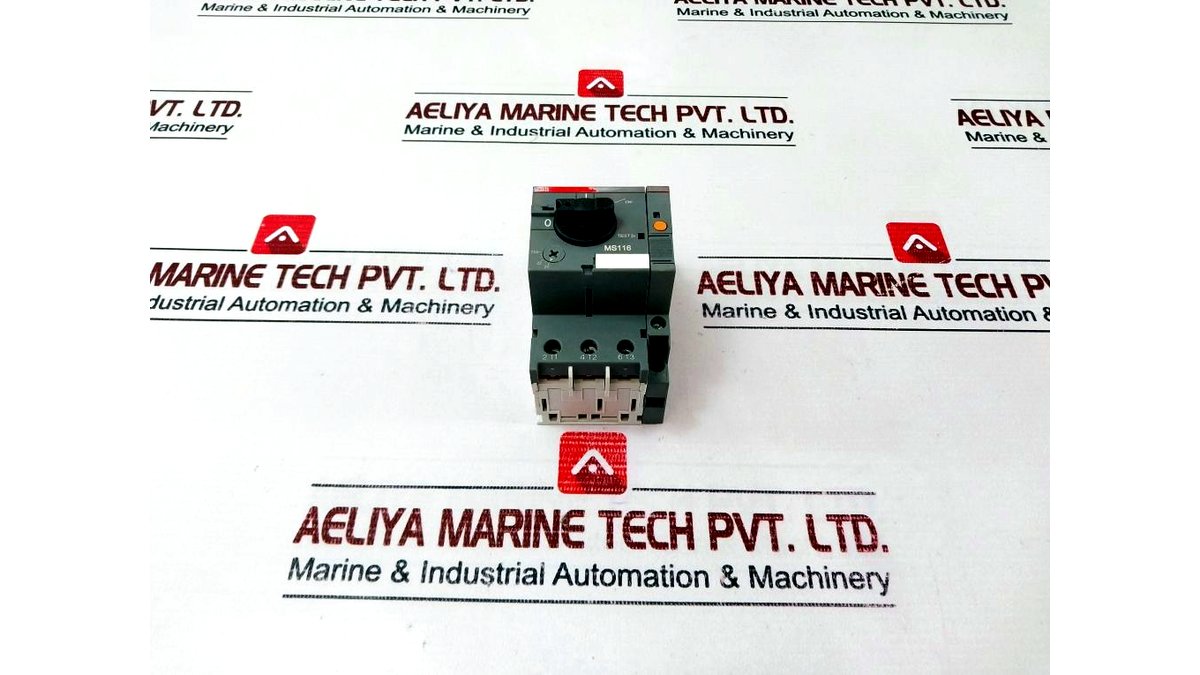
At a Glance: Motor Starter with Disconnect Categories
| Category | Best For | Key Stated Specs | Limits |
|---|---|---|---|
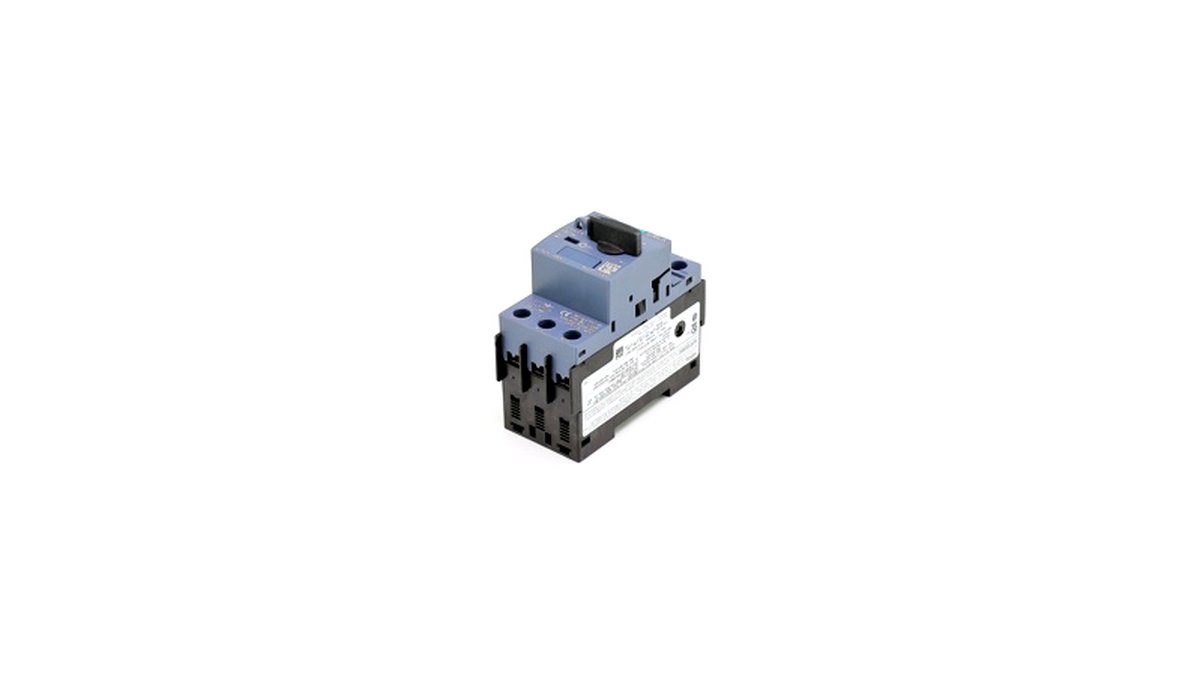
| Manual starter with disconnect | Single motors started locally and infrequently | Direct toggle/lever control, integrated thermal overload | No remote start/stop capability |
| Magnetic (contactor) combination starter | Frequently cycled or remotely controlled motors | Contactor plus overload relay, disconnect integrated | More complex wiring, higher cost than manual units |
| Fused disconnect starter combo | Installations needing integrated short-circuit protection | Fusible disconnect plus starter mechanism | Requires periodic fuse replacement/stocking |
| Washdown/outdoor-rated starter | Wet, dusty, or outdoor motor installations | NEMA 4/4X enclosure rating, sealed switch mechanism | Higher cost than standard indoor enclosures |
Fit and Compatibility Notes
Always cross-reference the motor’s nameplate data (horsepower, voltage, phase, full-load amps) against the starter’s rating chart rather than assuming a single model covers a range of motors by horsepower alone, since voltage and phase both change the correct selection. If replacing an existing starter, matching the enclosure’s physical mounting footprint and conduit entry points avoids rework of existing wiring runs.
Pick X If…
| If you… | Choose |
|---|---|
| Run a single motor started locally by hand | Manual starter with disconnect |
| Need remote or automated start/stop control | Magnetic (contactor) combination starter |
| Want integrated short-circuit protection in one enclosure | Fused disconnect starter combo |
| Install the motor outdoors or in a washdown area | Washdown/outdoor-rated starter |
| Are replacing an existing unit in a tight panel space | A starter matched to the existing enclosure footprint |
Installation and Safety Notes
Motor starter and disconnect installation should follow the National Electrical Code and local electrical code requirements, and this work should be performed or verified by a licensed electrician rather than attempted as a DIY project, since incorrect sizing or wiring creates a real fire and shock hazard. Always lock out and tag the disconnect before performing any maintenance on the motor or its wiring, and verify zero energy with a meter rather than assuming the disconnect alone guarantees a de-energized circuit. Follow the manufacturer’s installation manual for torque specs on terminal connections, since loose connections are a common cause of overheating in motor control equipment.
Alternatives to Consider
A variable frequency drive (VFD) can replace a traditional starter for motors that benefit from speed control, adding soft-start capability and energy savings at a higher upfront cost and added complexity. A soft starter (without full variable speed capability) is a middle option that reduces inrush current and mechanical stress on belts and couplings during startup, useful for larger motors where a standard starter’s full-voltage start causes excessive strain. For very small single-phase motors, some simpler toggle-switch disconnects with built-in overload protection can suffice without the complexity of a full combination starter, though this depends on the motor’s specific amperage and the installation’s code requirements.
Routine Inspection and Maintenance
Periodic inspection of contactor contacts for pitting or discoloration, along with checking that terminal connections remain torqued to the manufacturer’s specification, catches developing problems before they cause an unplanned shutdown. Dust and debris buildup inside the enclosure, especially in shop or industrial environments, can interfere with contactor movement or insulation over time, so a scheduled cleaning interval appropriate to the environment is worth establishing alongside other preventive maintenance tasks.
Keeping a basic maintenance log, noting any overload trips, unusual noise, or visible wear, helps a facility or homeowner spot a pattern before a starter fails outright. Any maintenance beyond visual inspection and basic cleaning, especially anything involving opening the enclosure while energized, should be handled by a qualified electrician following proper lockout/tagout procedure.
Frequently Asked Questions
Can I install a motor starter with disconnect myself?
This type of electrical work should be performed or verified by a licensed electrician, since incorrect sizing, wiring, or grounding creates a serious fire and shock hazard. Always follow local electrical code requirements and the manufacturer’s installation manual.
What’s the difference between a manual and magnetic starter?
A manual starter is operated directly by a toggle or lever at the unit itself, while a magnetic starter uses a contactor controlled by a separate low-voltage circuit, allowing remote or automated start/stop control. Magnetic starters are the standard choice for motors that cycle frequently or need remote control integration.
Do I need a fused or non-fused disconnect?
This depends on your installation’s upstream circuit protection; a fused disconnect adds short-circuit protection within the unit itself, while a non-fused version relies on an upstream breaker for that protection. Check your electrical design or consult an electrician to determine which your installation requires.
How do I know what overload relay setting my motor needs?
The motor’s nameplate lists its full-load amperage, and the overload relay should be set within that rating, typically with some adjustable range stated by the manufacturer. Setting it too high removes meaningful protection; setting it too low can cause nuisance tripping during normal startup current.
What enclosure rating do I need for an outdoor motor installation?
Outdoor or washdown environments generally call for a NEMA 4 or 4X rated enclosure, which seals against water and dust better than standard indoor NEMA 1 enclosures. Check the specific installation environment, including exposure to chemicals or extreme temperatures, against the enclosure’s stated rating.
Why does my motor starter keep tripping on overload?
Frequent overload trips usually indicate the motor is drawing more current than expected, which can stem from mechanical binding, incorrect overload relay sizing, low voltage supply, or a developing motor fault. This should be investigated by a qualified electrician rather than simply resetting the overload repeatedly, since repeated tripping often signals a real underlying problem.