Key takeaways
- Homeowners running a portable generator into a transfer switch or dryer-style inlet need a 4-prong cord matched to the generator’s output amperage, while anyone connecting directly to a generator’s twist-lock outlet for a few appliances needs a shorter, lighter-gauge cord…
Homeowners running a portable generator into a transfer switch or dryer-style inlet need a 4-prong cord matched to the generator’s output amperage, while anyone connecting directly to a generator’s twist-lock outlet for a few appliances needs a shorter, lighter-gauge cord instead. Picking the wrong gauge or connector type is one of the more common and more dangerous generator mistakes, so matching the cord to both the generator and the receptacle matters more than brand.
As an Amazon Associate, we earn from qualifying purchases made through links on this page.
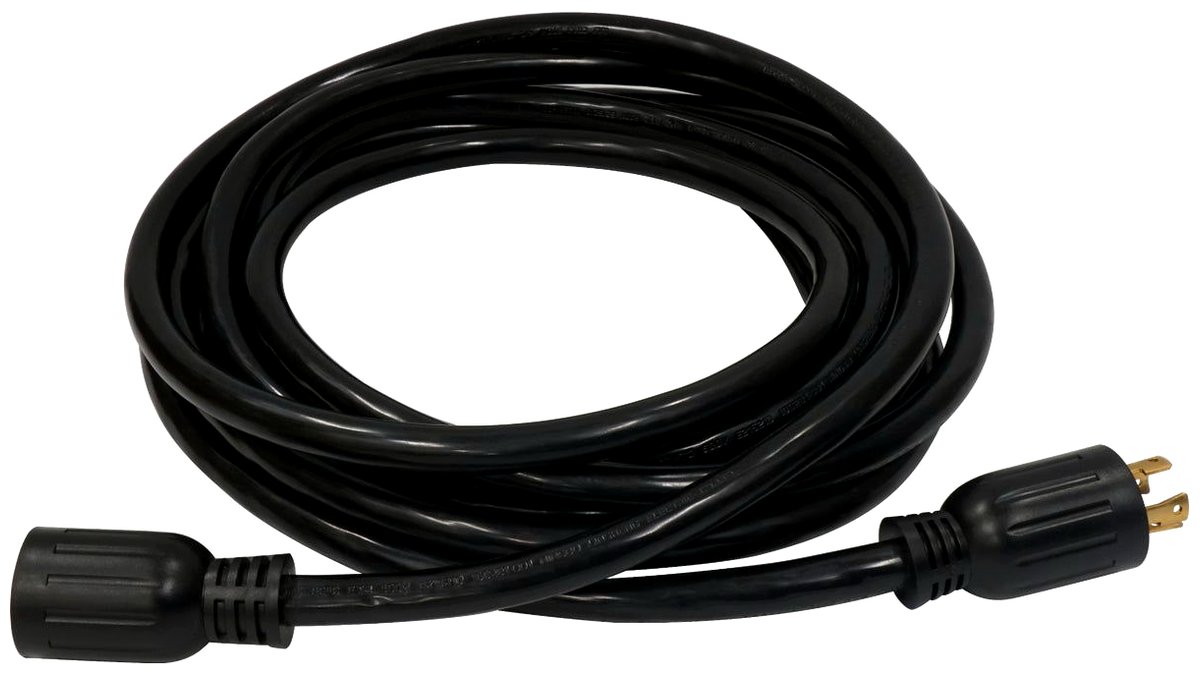
A 4-prong generator cord carries two hot legs, a neutral, and a ground, which is the standard configuration for 240-volt generator output used with transfer switches, welders, and some RV or shop setups. This differs from a standard 3-prong extension cord, which only carries 120 volts and can’t supply the split-phase power many mid-size and large generators produce.
What to Look For in a 4-Prong Generator Cord
Amperage Rating
The cord’s amp rating must be equal to or greater than the generator’s rated output amperage; using an underrated cord can cause overheating. Common ratings for home backup generators are 30-amp and 50-amp, and the cord, the generator outlet, and the transfer switch inlet all need to match in both amperage and connector type.
Connector Type (L14-30, L14-20, SS2-50, etc.)
Twist-lock connectors are identified by a code like L14-30 (30-amp, 125/250V) or L14-20 (20-amp, 125/250V), and the generator’s manual lists which connector its outlet uses. Buying a cord with the wrong connector code means it simply won’t lock into the outlet, so this is the single detail to verify before any purchase.
Wire Gauge
Thicker wire (lower gauge number, such as 10-gauge for 30-amp cords) carries more current safely over longer distances; a cord that’s too thin for its stated amperage can overheat even if the plug ends match. The maker’s listing should state the gauge, and it should align with standard electrical code recommendations for that amperage and length.
Cord Length
Longer cords (50-100 feet) are common for generators kept a safe distance from the house for carbon monoxide safety, but voltage drop increases with length, so very long runs may need a heavier gauge than the minimum. Keep the cord as short as practically safe to minimize power loss.
Outdoor Rating and Jacket Material
Look for a cord jacket rated for outdoor and wet-location use (often listed as SJTW or similar) since generators typically run outdoors in all weather. A flexible jacket that stays pliable in cold temperatures is worth checking for anyone running a generator in winter.
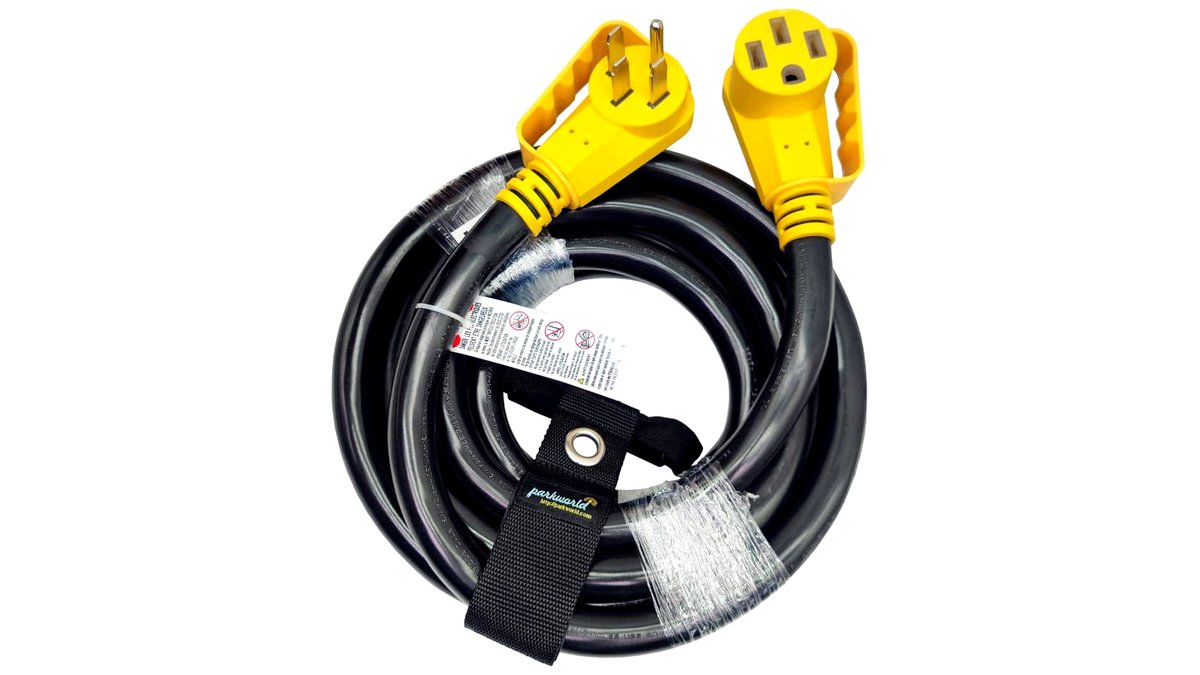
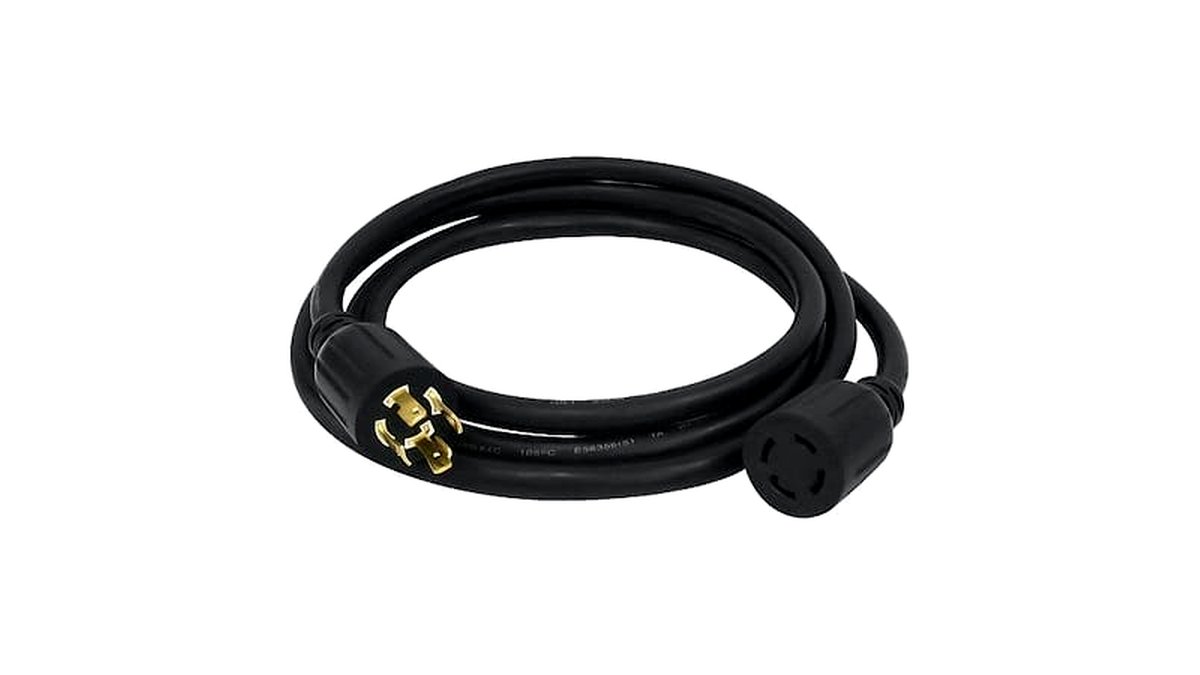
At a Glance: 4-Prong Generator Cord Types
| Type | Best For | Key Stated Specs | Limits |
|---|---|---|---|
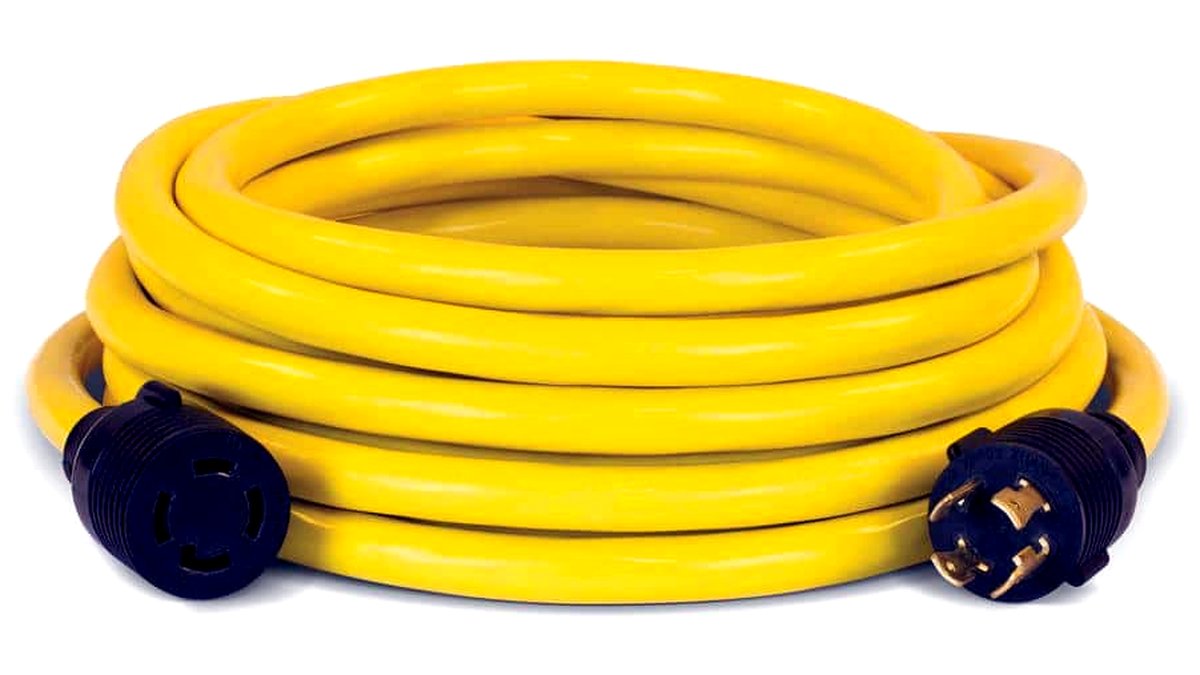
| 30-amp L14-30 cord | Mid-size portable generators, transfer switches | 125/250V, typically 10-gauge, 25-50 ft common lengths | Not rated for larger 50-amp generators |
| 50-amp 14-50 cord | Large generators, RV-style 240V setups | 125/250V, typically 6-8 gauge, heavier and stiffer | Bulkier, higher cost, overkill for small generators |
| 20-amp L14-20 cord | Smaller inverter/portable generators | 125/250V, lighter gauge, shorter common lengths | Limited total load capacity |
| Adapter-style cord (generator plug to multiple outlets) | Running several appliances without a transfer switch | Single generator-side plug, multiple household outlets | No whole-house backfeed protection; manual appliance management needed |
Fit and Compatibility Notes
Always check three things together before buying: the generator’s outlet type and amperage (in its manual), the transfer switch or inlet box’s rated amperage, and the cord’s connector code on both ends. A mismatch anywhere in that chain means the cord won’t physically connect or won’t carry power safely. If you’re connecting to a transfer switch, the cord typically needs a male twist-lock end for the generator and a matching female end for the inlet box, and these are sold as a set rated for the whole run.
Pick X If…
| If you… | Choose |
|---|---|
| Have a 30-amp generator feeding a manual transfer switch | 30-amp L14-30 cord matched in gauge and length |
| Run a larger generator or RV-style 240V setup | 50-amp 14-50 cord with heavier gauge wire |
| Own a smaller inverter generator for occasional backup | 20-amp L14-20 cord |
| Need to power a handful of individual appliances without a switch | Adapter-style cord with multiple household outlets |
| Keep the generator more than 50 feet from the inlet | A longer cord in a heavier gauge than the stated minimum |
Safety Notes
Generator wiring work, including connecting a transfer switch, should follow the manufacturer’s manual and local electrical code, and a licensed electrician should handle any permanent transfer switch installation. Never run a generator cord through a window or modify a cord’s plug ends to fit a mismatched outlet, since this can cause backfeed into utility lines or create a fire and shock hazard. If you smell burning or notice a cord getting hot to the touch during use, disconnect and have it inspected before using it again, and consider seeing an electrician for anything beyond basic cord selection and connection.
Alternatives to Consider
A pre-made generator cord and transfer switch inlet kit sold as a matched pair removes the guesswork of matching gauge and connector codes separately. For smaller backup needs, a power inverter or battery backup system paired with standard 3-prong extension cords can avoid 4-prong wiring entirely, though it won’t handle whole-house 240V loads. Some households opt for a manual interlock kit instead of a transfer switch, which still uses a 4-prong cord but changes how the generator connects to the main panel; this still requires an electrician for installation.
Inspecting and Storing a Generator Cord
Before each use, uncoil the cord fully and visually check the jacket for cuts, cracking, or exposed wire, particularly near the plug ends where flexing stress concentrates over repeated use. The twist-lock connectors should turn and lock smoothly without excessive play; a connector that feels loose or doesn’t seat fully against the mating outlet can create a poor connection that generates heat under load. After use, coil the cord loosely rather than in tight loops, which reduces stress on the internal conductors over time, and store it somewhere dry rather than leaving it outdoors permanently even if the jacket is rated for outdoor use.
Labeling the cord with its amperage and connector type, especially if a household keeps more than one generator cord for different equipment, prevents a mismatched connection being attempted in a hurry during an actual power outage. Keeping the generator’s manual and the transfer switch’s installation documentation together with the cord also helps whenever a replacement or a second opinion from an electrician becomes necessary.
Frequently Asked Questions
Can I use a 4-prong cord with any portable generator?
Only if the generator’s outlet matches the cord’s connector type and amperage rating; generators vary in whether they output 120V only, 120/240V split phase, or other configurations. Check the generator’s manual for its outlet specification before buying a cord.
What happens if I use a cord with too low an amp rating?
An underrated cord can overheat under load, which creates a fire risk and can damage the cord’s insulation over time. Always match or exceed the generator’s rated output amperage when selecting a cord.
Do I need an electrician to install a 4-prong generator setup?
Connecting a cord to a generator’s own outlet typically doesn’t require an electrician, but installing a transfer switch or interlock kit that ties into household wiring should be done by a licensed electrician per local code. This protects against backfeed hazards that can endanger utility workers.
Why does cord length affect performance?
Longer cords introduce more voltage drop, meaning connected appliances may receive slightly less power than the generator is producing. For runs longer than the cord maker’s stated standard length, a heavier gauge wire helps offset this loss.
Can I store a generator cord outdoors permanently?
Even cords rated for outdoor and wet-location use benefit from being coiled and stored in a dry area between uses, since prolonged UV and moisture exposure can degrade the jacket faster than intermittent outdoor use during storms. Check the cord periodically for cracking or stiffness as a sign it needs replacement.
What’s the difference between a 4-prong cord and a 3-prong extension cord?
A 4-prong cord carries two hot legs, a neutral, and a ground to support 240V split-phase output, while a standard 3-prong cord only carries single 120V circuits. Using the wrong one means the plug simply won’t fit the generator’s or transfer switch’s receptacle.