Key takeaways
- Players who want control over power should look for a heavier, elongated or standard-shape paddle with a thicker core and a stiffer face, since thickness and a softer-feeling core generally slow the ball down for touch shots, while a shorter,…
Players who want control over power should look for a heavier, elongated or standard-shape paddle with a thicker core and a stiffer face, since thickness and a softer-feeling core generally slow the ball down for touch shots, while a shorter, lighter, head-light paddle favors quick hands at the net but sacrifices some of that dwell-time feel. Beginners chasing consistency and dinking accuracy should lean toward thicker-core paddles; players who already have solid control and want more pop should look at thinner-core or power-oriented models instead.
As an Amazon Associate, we earn from qualifying purchases made through links on this page.
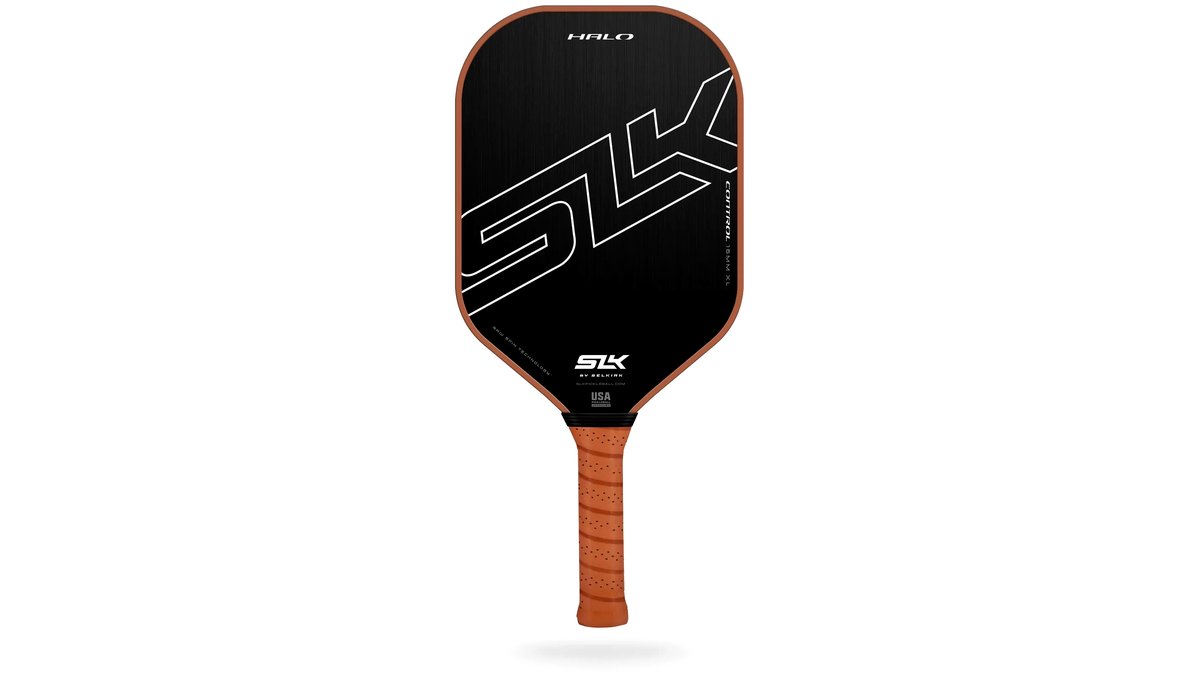
“Control” in a pickleball paddle generally comes down to a few measurable factors: core thickness, paddle weight and balance, surface material, and swing weight. No single spec guarantees a control-friendly paddle, but thicker cores combined with a textured, grippy surface are the most consistent markers reviewers point to across brands. This guide breaks down what actually drives control-oriented feel and how to shop by category rather than by a single named model, since paddle lineups update frequently and today’s flagship control paddle is often replaced by a new version within a year or two.
What Makes a Paddle “Control-Oriented”
Core thickness
Pickleball paddle cores, usually made of polymer honeycomb material, commonly range from thinner competition cores up to thicker cores, with thicker cores (commonly in the 16mm range and above among control-focused paddles) widely associated with a softer feel and longer ball dwell time on the face. That longer dwell time gives players more time to direct the shot, which is why thicker-core paddles are a common recommendation for dinking and resets at the kitchen line.
Weight and balance
A heavier paddle generally resists getting pushed around on blocks and resets, which helps control against hard-hit balls, but adds arm fatigue over a long match and can slow reaction time at the net. A head-light balance (where more weight sits in the handle) tends to support quicker hand speed for volleys, while a head-heavy balance adds stability and pop on drives. Reviewers testing paddles across these balance points generally agree there is a tradeoff rather than a single correct answer, and the right balance depends on a player’s existing swing style.
Surface material and texture
Surface materials, commonly fiberglass, carbon fiber, or composite blends, affect both power and spin potential, which indirectly supports control by letting a player impart more spin to keep aggressive shots in play. A textured or “grit” surface, within the spin limits set by the sport’s governing bodies, gives more bite on the ball for spin-based control shots like slices and rolls.
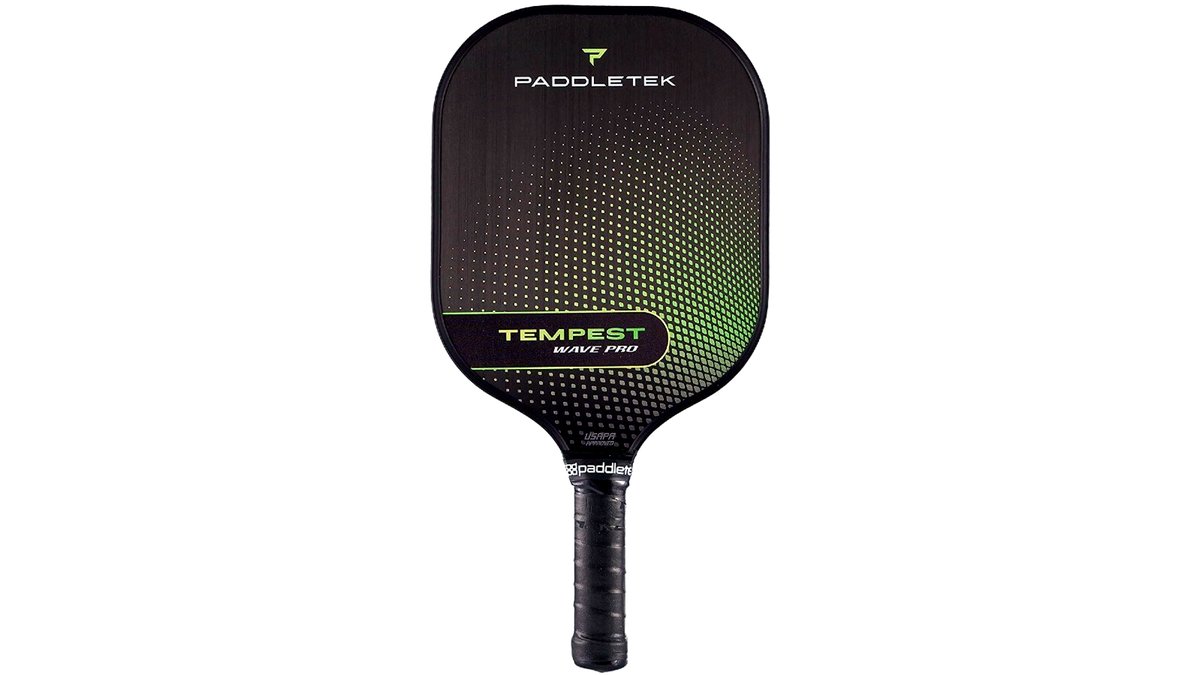
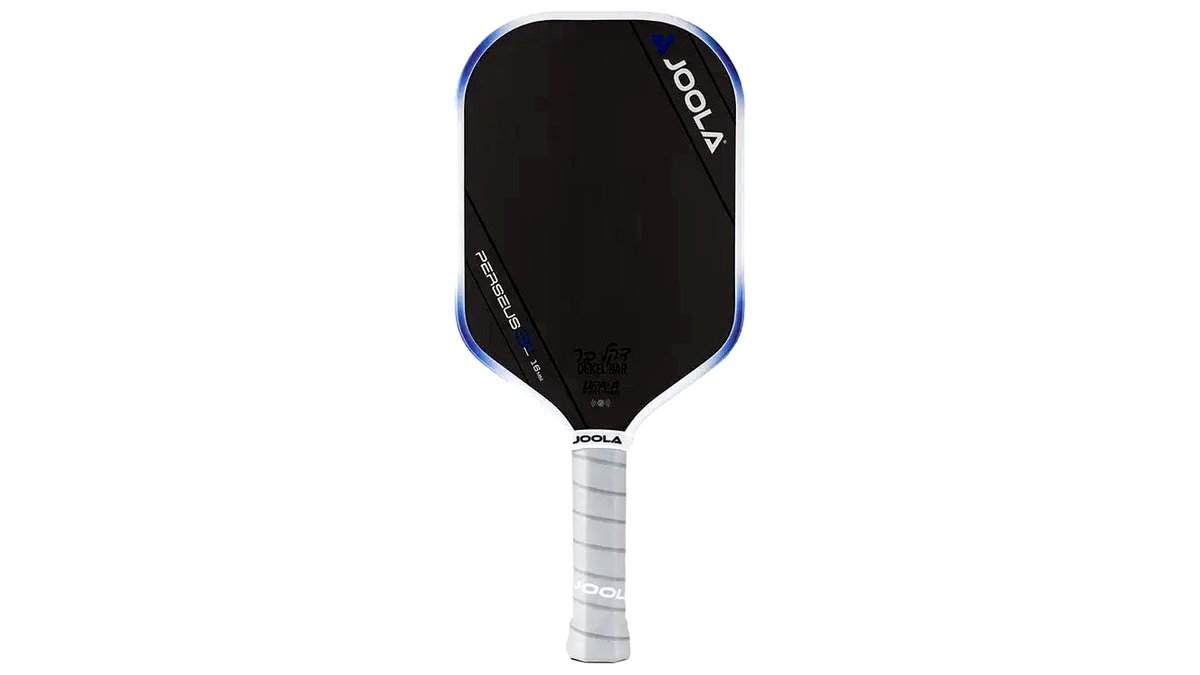
At a Glance: Control Paddle Types Compared
| Type | Best for | Key stated features | Limits |
|---|---|---|---|
| Thick-core, mid-weight paddle | Beginners and dink-focused players wanting consistency | 16mm+ core, softer feel, longer ball dwell time | Less raw power on drives |
| Elongated control paddle | Players wanting extra reach plus control at the net | Longer face, thick core, often head-light balance | Narrower face than standard-shape paddles, smaller sweet spot side-to-side |
| Textured composite-face paddle | Players using spin to control aggressive opponents’ shots | Textured carbon or fiberglass face within spin-limit rules | Surface grit wears down with heavy use over time |
| Head-light, lighter-overall paddle | Net-focused players prioritizing hand speed over raw power | Lower swing weight, quicker paddle-face response | Less stability against hard-hit drives |
What to Check Before Buying
USA Pickleball approval
For anyone playing in sanctioned tournaments or leagues, checking that a paddle appears on USA Pickleball’s approved equipment list matters, since surface texture and core specifications are regulated for competitive play. Casual players have more flexibility, but checking approval status is a quick way to confirm a paddle meets commonly used rule standards.
Grip size and handle length
Grip circumference affects comfort and wrist control more than most new players expect; a grip that is too large can reduce feel and control, while one that is too small can increase strain on the wrist during longer rallies. Handle length also varies, with some control-oriented paddles offering a slightly longer handle for two-handed backhands, a technique some players use for added control on low balls.
Swing weight versus static weight
Static weight (the paddle’s weight on a scale) does not fully describe how a paddle feels in motion; swing weight, influenced by how the weight is distributed across the paddle, affects how quickly it can be brought into position for a block or reset. Two paddles with the same static weight can feel very different in swing weight depending on where the manufacturer places the mass.
Edge guard and durability
Most paddles include an edge guard to protect the core from chipping during mishits against the ground or net post. Reviewers note that edge guards can loosen or peel over extended heavy use, which is worth checking in user feedback for a specific model before committing to it for frequent play.
Pick X If… Decision Table
| If your situation is… | Consider… |
|---|---|
| New to the sport and want the most forgiving, consistent feel | A thick-core, mid-weight standard-shape paddle |
| Want extra reach at the net along with control | An elongated control paddle with a thick core |
| Facing opponents who hit hard and need to redirect pace with spin | A textured composite-face control paddle |
| Already comfortable with control and want quicker hands at the net | A lighter, head-light control paddle |
| Play in sanctioned tournaments or leagues | Any model confirmed on the USA Pickleball approved equipment list |
Fit and Grip Notes
Grip size is typically listed in inches of circumference, and players with smaller hands generally find a slightly smaller grip easier to control without added wrist strain, while players with larger hands may prefer a slightly larger grip for comfort on longer sessions. Overall paddle length and width are regulated under combined-dimension rules for sanctioned play, so most control-focused standard and elongated paddles fall within a similar overall size envelope even as the balance of length versus width shifts. Players transitioning from tennis or ping pong sometimes find a slightly longer handle more familiar, since it supports a two-handed backhand similar to tennis technique.
Alternatives Worth Considering
Power-oriented paddles: Players who already have strong touch and want more pop on drives and serves may prefer a thinner-core, stiffer-face paddle built for power rather than control, accepting less dwell time in exchange for faster ball speed.
All-around/hybrid paddles: Many manufacturers market “hybrid” paddles that balance control and power specs in the middle of their respective ranges, which can suit players who do not want to commit fully to either end of the spectrum.
Wood or basic composite paddles: For casual backyard play or trying the sport before investing in a higher-end paddle, simpler wood or entry composite paddles offer a much lower cost of entry, though reviewers consistently note they lack the touch and spin control of dedicated polymer-core paddles.
Frequently Asked Questions
Does a thicker core always mean better control?
Thicker cores are widely associated with better control because they generally slow the ball down and increase dwell time on the paddle face, giving the player more time to direct the shot. However, core thickness is only one factor; weight, balance, and surface material also meaningfully affect how controllable a paddle feels in practice.
What paddle weight is best for control?
There is no single best weight for control, since heavier paddles resist getting pushed around on blocks while lighter paddles allow quicker hand speed at the net. Many players find a mid-weight paddle offers a reasonable balance, but the right choice depends on existing swing style and any arm or wrist sensitivity.
Is an elongated paddle better for control than a standard shape?
Elongated paddles add reach, which can help control shots at the edge of a player’s normal range, but they typically have a narrower face, which slightly reduces the side-to-side sweet spot compared to a standard-shape paddle. The tradeoff comes down to whether extra reach or a wider sweet spot matters more for a given player’s game.
How do I know if a paddle is legal for tournament play?
Checking whether a specific paddle model appears on USA Pickleball’s current approved equipment list is the most direct way to confirm tournament legality, since surface texture and dimension rules are specifically regulated for sanctioned play. Casual recreational play does not require this approval, but it is worth checking if a player plans to compete later.
Do textured paddle surfaces wear out over time?
Yes; reviewers covering paddle durability note that surface grit on textured composite faces can smooth out gradually with heavy, frequent play, which can reduce spin potential over time. Players who play very frequently may notice this effect sooner than casual or occasional players.
Can a control paddle still generate enough power for serves?
Control-oriented paddles can still produce adequate serve power, especially with a faster swing, but players relying heavily on paddle-generated pop for serves and drives may find a power-oriented or hybrid paddle better suited to that specific need. Technique and swing speed remain significant factors regardless of paddle type.