Key takeaways
- Grip size: An oversized grip makes it harder to generate wrist snap and can contribute to arm strain, while an undersized grip can slip during swings; measuring hand size against the manufacturer’s grip size chart helps narrow down the right fit.
- Racket length: Standard adult rackets are a fixed length, but junior rackets come in multiple lengths tied to player height; using a racket that’s too long for a young player makes control significantly harder.
- String tension: Beginner rackets are often sold pre-strung at a moderate tension that favors power over precision, which suits new players; more advanced players sometimes have rackets restrung at a different tension as their game develops.
- Weight balance: A head-heavy balance adds power with less swing effort, which benefits beginners, while a head-light balance favors maneuverability and control, which tends to suit more advanced or sport-experienced players.
- Vibration dampening: Players sensitive to arm or elbow strain should look at the frame’s stated vibration-dampening features or consider an add-on dampener, particularly if they already have elbow discomfort from other sports.
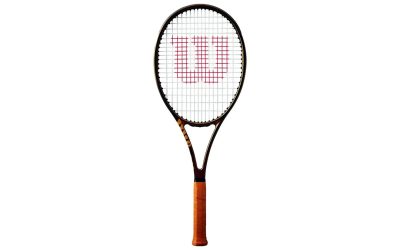
New players still developing a consistent swing fit best with a lighter racket that has a larger, more forgiving head, players coming from another racket sport like badminton or squash often prefer a racket with a slightly heavier, more head-light balance for extra control, and juniors need a shorter, lighter racket sized to their height rather than a scaled-down adult model. Beginner tennis rackets are mostly differentiated by head size, weight, and balance, all of which affect how forgiving or demanding the racket feels on off-center hits.
As an Amazon Associate, we earn from qualifying purchases made through links on this page.
Who Needs a Beginner Tennis Racket
A beginner-oriented racket suits anyone newer to the sport, returning after a long break, or still building consistent technique, since these rackets prioritize a larger forgiving sweet spot and easier power generation over the precise control that advanced players look for. Picking a racket that’s too advanced too early often makes the learning curve harder, since smaller head sizes and head-light balance punish off-center contact more severely.
Beginner Tennis Rackets at a Glance
| Category | Best for | Key stated specs | Limits |
|---|---|---|---|
| Lightweight large-head rackets | New adult players building a swing | The maker lists a larger head size, around 100-115 square inches, and lighter unstrung weight | Can feel less stable on hard, fast shots once swing speed increases |
| Mid-weight all-around rackets | Players who pick up the game quickly or already play other racket sports | The maker lists a moderate head size and slightly higher weight for added stability | Demands more consistent technique than the lightest beginner rackets |
| Junior-sized rackets | Kids and younger teens | The maker lists a shorter frame length and lighter weight scaled to junior height ranges | Needs replacing as the player grows, since sizing is tied to height, not just skill level |
Picking by Player Profile
Brand-New Adult Players
A lightweight racket with a larger head size is the easiest starting point, since the bigger sweet spot forgives the off-center hits that are common while learning proper timing and swing mechanics. Lighter overall weight also reduces arm fatigue during lessons or practice sessions before a consistent swing develops.
Players with Racket Sport Experience
Someone coming from badminton, squash, or table tennis often adapts faster to tennis and may outgrow the most forgiving beginner rackets quickly. A mid-weight, moderate-head-size racket gives a bit more control and stability while still being easier to handle than a fully advanced player’s frame.
Junior and Youth Players
Junior rackets are sized by the player’s height rather than skill level alone, with shorter, lighter frames for younger or smaller kids and longer junior frames as they grow. Many brands publish a height-based sizing chart, which is a more reliable starting point than guessing based on age alone.
Fit, Grip and Compatibility Notes
- Grip size: An oversized grip makes it harder to generate wrist snap and can contribute to arm strain, while an undersized grip can slip during swings; measuring hand size against the manufacturer’s grip size chart helps narrow down the right fit.
- Racket length: Standard adult rackets are a fixed length, but junior rackets come in multiple lengths tied to player height; using a racket that’s too long for a young player makes control significantly harder.
- String tension: Beginner rackets are often sold pre-strung at a moderate tension that favors power over precision, which suits new players; more advanced players sometimes have rackets restrung at a different tension as their game develops.
- Weight balance: A head-heavy balance adds power with less swing effort, which benefits beginners, while a head-light balance favors maneuverability and control, which tends to suit more advanced or sport-experienced players.
- Vibration dampening: Players sensitive to arm or elbow strain should look at the frame’s stated vibration-dampening features or consider an add-on dampener, particularly if they already have elbow discomfort from other sports.
Pick This One If…
| Situation | Recommended category |
|---|---|
| You’re a brand-new adult player | Lightweight large-head racket |
| You already play another racket sport | Mid-weight all-around racket |
| You’re buying for a child or young teen | Junior-sized racket matched to height |
| You have elbow or wrist sensitivity | A lighter racket with stated vibration-dampening features |
Alternatives Worth Comparing
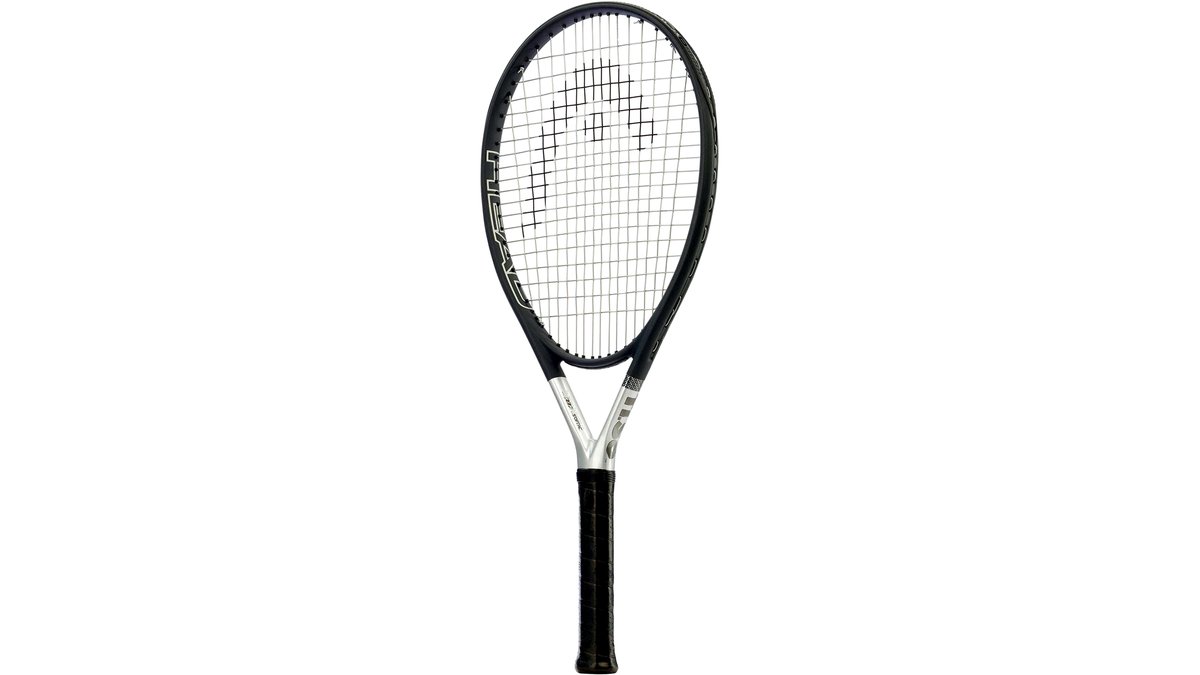
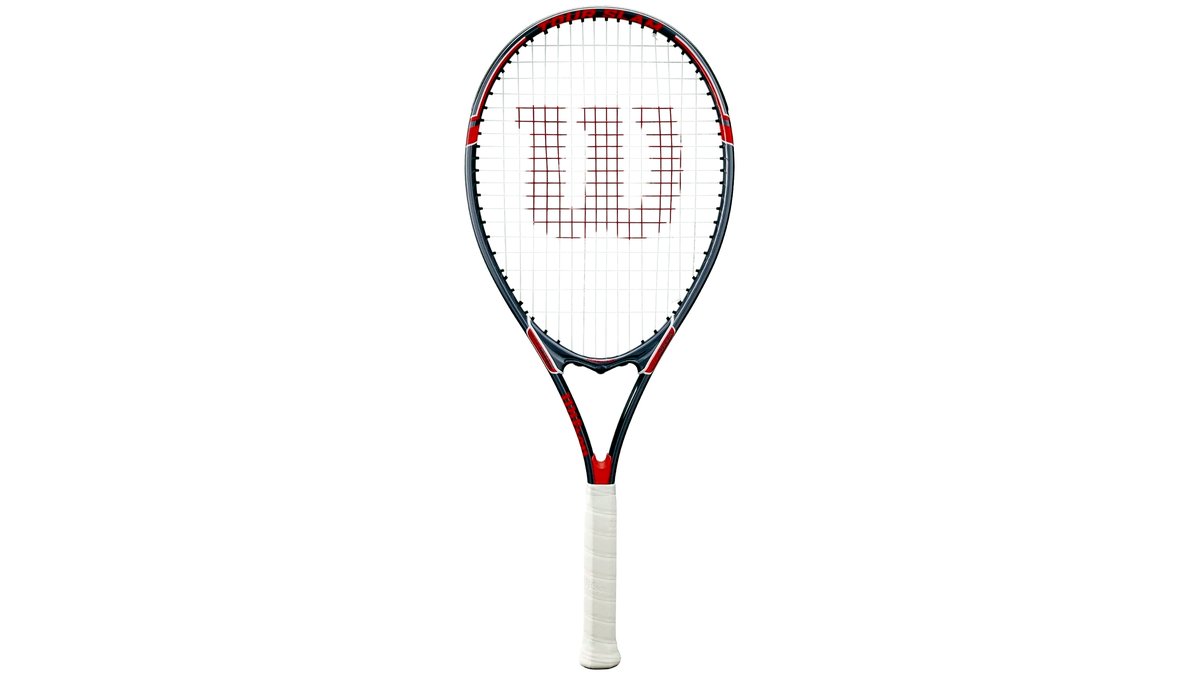
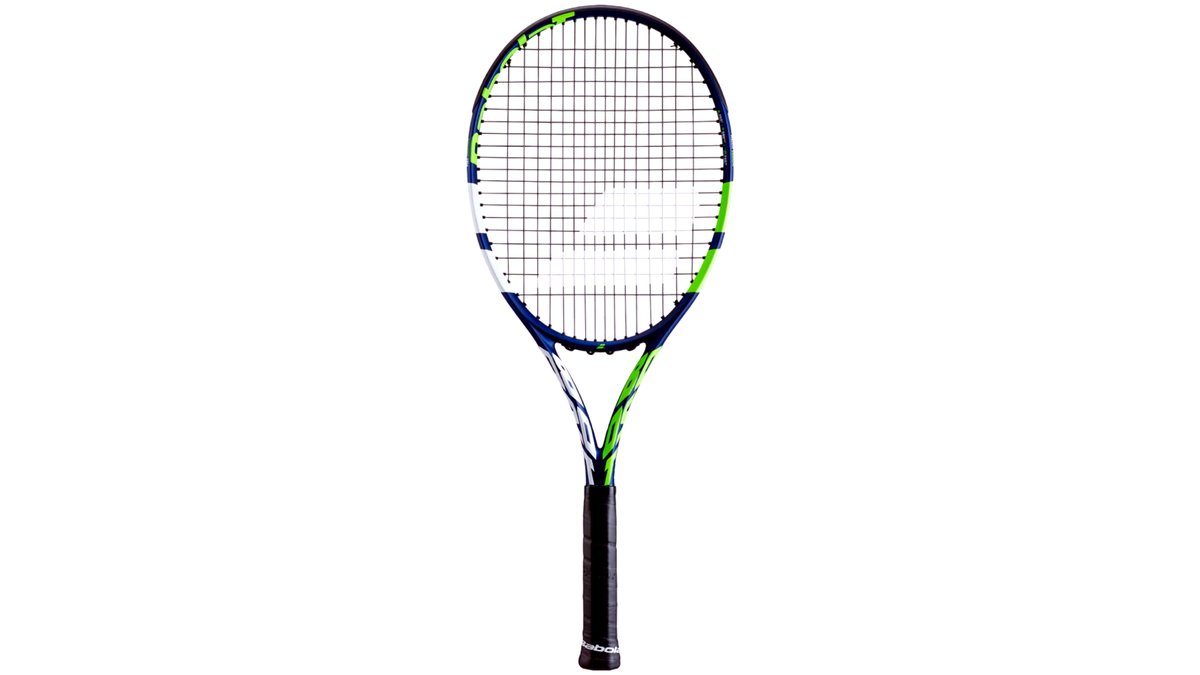
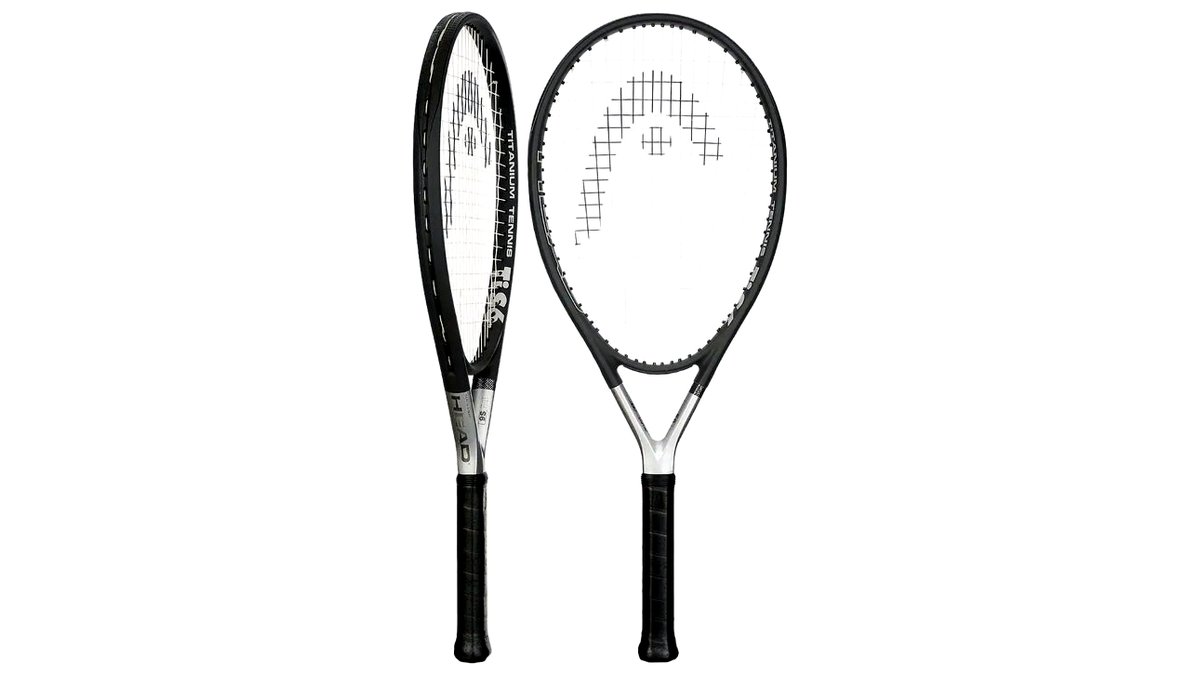
Beginners comparing racket brands commonly look at Wilson’s recreational and beginner-tier lines, which span a wide range of head sizes and weights aimed at new players. Babolat’s entry-level rackets are a frequent comparison, often chosen for a slightly different balance feel than Wilson’s lineup. HEAD’s beginner and junior rackets round out a common three-way comparison, particularly for players who later plan to move into that brand’s more advanced frames as their game develops.
Common Buying Mistakes to Avoid
A common mistake is buying a racket based on what a favorite professional player uses rather than what actually suits a beginner’s swing and skill level, since advanced player frames tend to have smaller heads and head-light balance that punish inconsistent contact. Choosing a racket built for the current skill level, then upgrading later, generally makes the learning process smoother and less frustrating.
Another frequent error is guessing at grip size instead of measuring it, which can lead to discomfort or even contribute to arm strain over time if the grip is noticeably too small or too large. Measuring hand size against the manufacturer’s grip chart, or trying a racket in person when possible, is a quick step that prevents a lingering fit problem.
Parents buying for juniors sometimes also default to the smallest, cheapest racket available regardless of the child’s actual height, which can leave a taller or older junior under-equipped with too short a frame. Checking the junior sizing chart against current height, rather than age or price alone, gives a better starting point.
Frequently Asked Questions
What head size is best for a beginner?
A larger head size, generally in the 100-115 square inch range, gives beginners a more forgiving sweet spot that helps offset inconsistent contact while learning proper technique. Smaller head sizes used by advanced players demand more precise timing and are generally better suited to players with more developed strokes.
How do I know what grip size to buy?
Grip size is typically measured by the distance from the palm’s middle crease to the tip of the ring finger, and most manufacturers publish a sizing chart that converts this measurement into a standard grip size. Trying a racket in person or using a buildup grip tape to fine-tune the feel afterward are both reasonable ways to dial in comfort if the exact size isn’t available.
Do beginners need a specific type of tennis string?
Most beginner rackets come pre-strung with a synthetic gut or multifilament string chosen for comfort and power rather than the specialized strings some advanced players use for spin or control. These stock strings are generally fine for learning and don’t need to be replaced until they lose tension or start to fray.
How often should a beginner’s racket be restrung?
Players practicing a few times a week generally don’t need to restring as often as frequent competitive players, and a good rule of thumb some coaches suggest is restringing roughly as many times per year as the player plays per week. Strings that feel noticeably looser, look frayed, or have lost their crispness are signs it’s time for a restring regardless of exact timing.
Can a beginner use the same racket as an intermediate or advanced player?
Beginners can technically use any racket, but more advanced, head-light, smaller-head frames are less forgiving and can make the early learning curve harder and more frustrating. Starting with a beginner-oriented racket and upgrading once consistent technique develops is the more common and comfortable progression.
How do I choose between an adult racket and a junior racket for a teenager?
The decision generally comes down to height and strength rather than age alone, with most brands publishing a height-based chart to guide the choice between the longest junior racket and a lighter adult frame. A junior racket that’s too short for a taller teen can limit reach and power, so checking current height against the sizing chart is more reliable than assuming based on age.