Key takeaways
- Net height adjustment: Regulation height differs by age group and gender in organized play; an adjustable net is more useful for mixed groups or growing players than a fixed-height backyard set.
- Court width and pole spacing: Confirm the available play area matches the net’s stated width before setup, since cramming a full-size net into a narrow yard or driveway limits usable court space.
- Ground type: Match the anchoring method, stakes versus weighted bases, to the actual surface; using stakes on a hard surface or a weighted base alone on windy open ground both lead to setup problems.
- Net material and tension: Heavier-gauge net material and a reliable tensioning strap or ratchet hold their shape better over repeated use than thin, lightweight nets found in the most basic sets.
- Storage: Check the packed-down length of the poles against available storage space, such as a car trunk or garage shelf, particularly for taller adjustable practice sets with longer pole sections.
Families wanting casual backyard volleyball fit best with a basic portable net set that goes up in minutes, teams or clubs running regular drills need a sturdier adjustable-height net system built for repeated setup, and anyone playing on sand or grass should prioritize a net with stakes or weighted bases rated for that specific surface. Volleyball net choice mainly comes down to how often it’s set up, how serious the play is, and what surface it sits on.
As an Amazon Associate, we earn from qualifying purchases made through links on this page.
Who Needs a Volleyball Net
A volleyball net matters for backyard cookouts, beach days, driveway games, and more structured practice sessions for school, club, or recreational league teams. Casual and competitive setups have different priorities: casual play favors fast setup and easy storage, while regular practice favors a sturdier frame and consistent, adjustable net height.
Volleyball Nets at a Glance
| Category | Best for | Key stated specs | Limits |
|---|---|---|---|
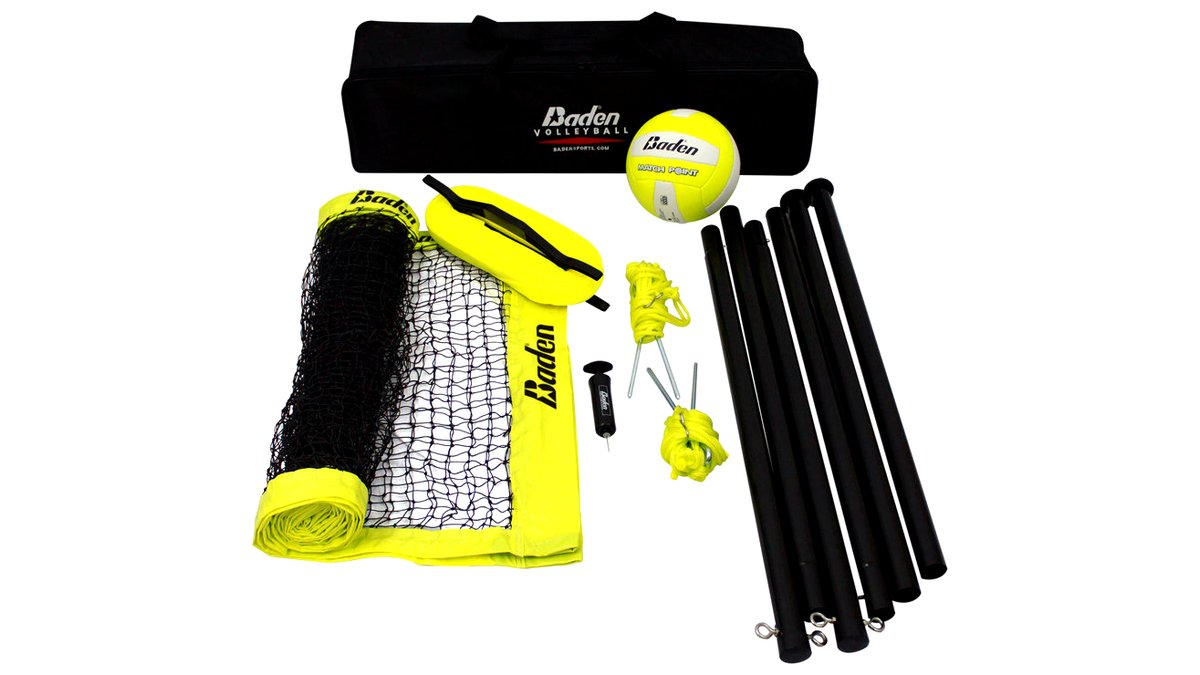
| Basic portable net sets | Casual backyard or beach games | The maker lists lightweight poles, a carry bag, and quick-assembly hardware | Less stable in wind and generally not rated for frequent, heavy daily use |
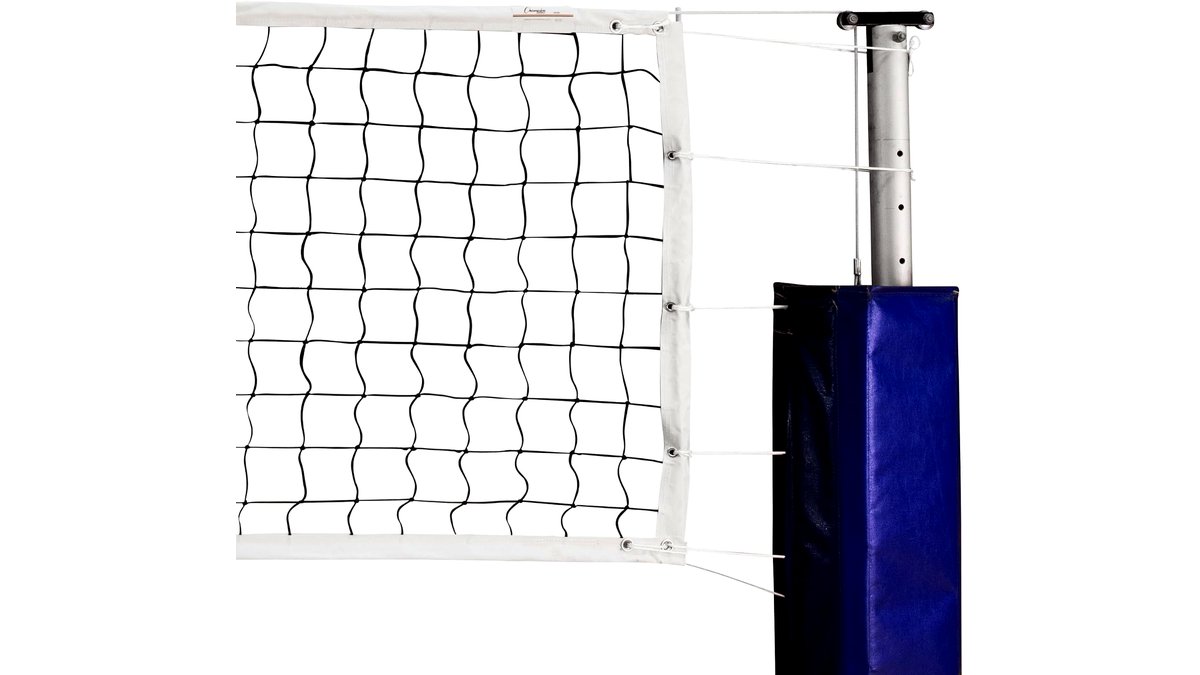
| Adjustable-height practice nets | Teams and regular drill sessions | The maker lists sturdier poles, an adjustable height mechanism, and a more durable net material | Heavier and slower to set up and break down than basic portable sets |
| Sand/beach-specific sets | Beach volleyball | The maker lists sand-rated stakes or anchors designed to hold poles upright in loose sand | Stakes made for sand generally don’t hold as well in hard grass or dirt |
| Driveway/all-surface sets | Hard surfaces like driveways or patios | The maker lists weighted base options instead of ground stakes | Weighted bases add setup bulk and weight compared to stake-based systems |
Picking by Where and How Often You’ll Play
Casual Backyard or Beach Games
A basic portable net set is the easiest fit for occasional games, since it typically packs into a carry bag and sets up in a few minutes without tools. These sets are built for fun, casual play rather than withstanding daily competitive drilling, so expecting club-level durability from an entry-level set usually leads to disappointment.
Team Practice and Regular Drills
Teams running regular practice sessions need a net built to go up and down repeatedly without loosening poles or fraying net material. An adjustable-height practice net lets coaches set regulation or modified heights for different age groups or skill levels, which basic backyard sets usually can’t match precisely.
Beach and Sand Play
Standard ground stakes don’t hold well in loose sand, so a net set specifically rated for sand with wider stakes or sand-anchor attachments performs far better than a generic backyard set dragged to the beach. Checking that the stakes or anchors are explicitly rated for sand, not just grass, avoids a net that keeps toppling over.
Driveways, Patios and Hard Surfaces
Hard surfaces can’t be staked into the ground, so a net system using weighted bases is the practical choice for driveways, patios, or gym floors. These setups add bulk, since the bases need to be filled with sand or water for stability, but they’re the only reliable option without digging or staking into concrete or asphalt.
Fit, Size and Compatibility Notes
- Net height adjustment: Regulation height differs by age group and gender in organized play; an adjustable net is more useful for mixed groups or growing players than a fixed-height backyard set.
- Court width and pole spacing: Confirm the available play area matches the net’s stated width before setup, since cramming a full-size net into a narrow yard or driveway limits usable court space.
- Ground type: Match the anchoring method, stakes versus weighted bases, to the actual surface; using stakes on a hard surface or a weighted base alone on windy open ground both lead to setup problems.
- Net material and tension: Heavier-gauge net material and a reliable tensioning strap or ratchet hold their shape better over repeated use than thin, lightweight nets found in the most basic sets.
- Storage: Check the packed-down length of the poles against available storage space, such as a car trunk or garage shelf, particularly for taller adjustable practice sets with longer pole sections.
Pick This One If…
| Situation | Recommended category |
|---|---|
| You want quick, casual backyard games | Basic portable net set |
| You’re setting up for regular team practice | Adjustable-height practice net |
| You’re playing on a beach or sandy court | Sand/beach-specific set |
| You’re playing on a driveway, patio, or gym floor | All-surface set with weighted bases |
Alternatives Worth Comparing
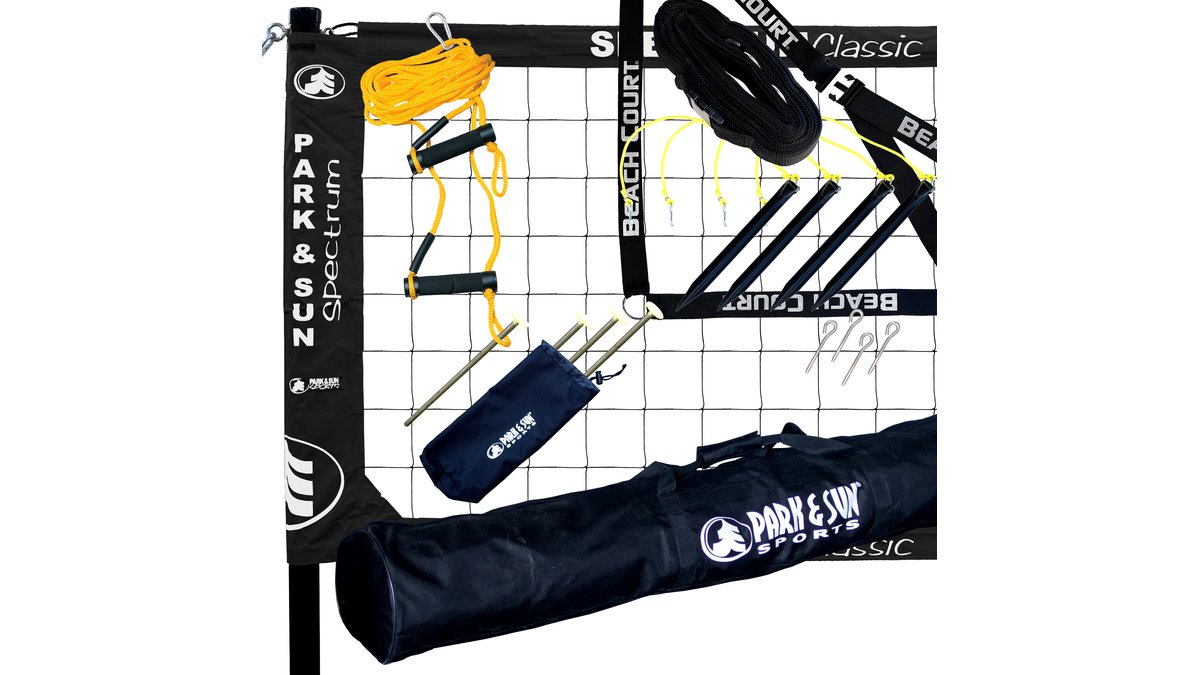
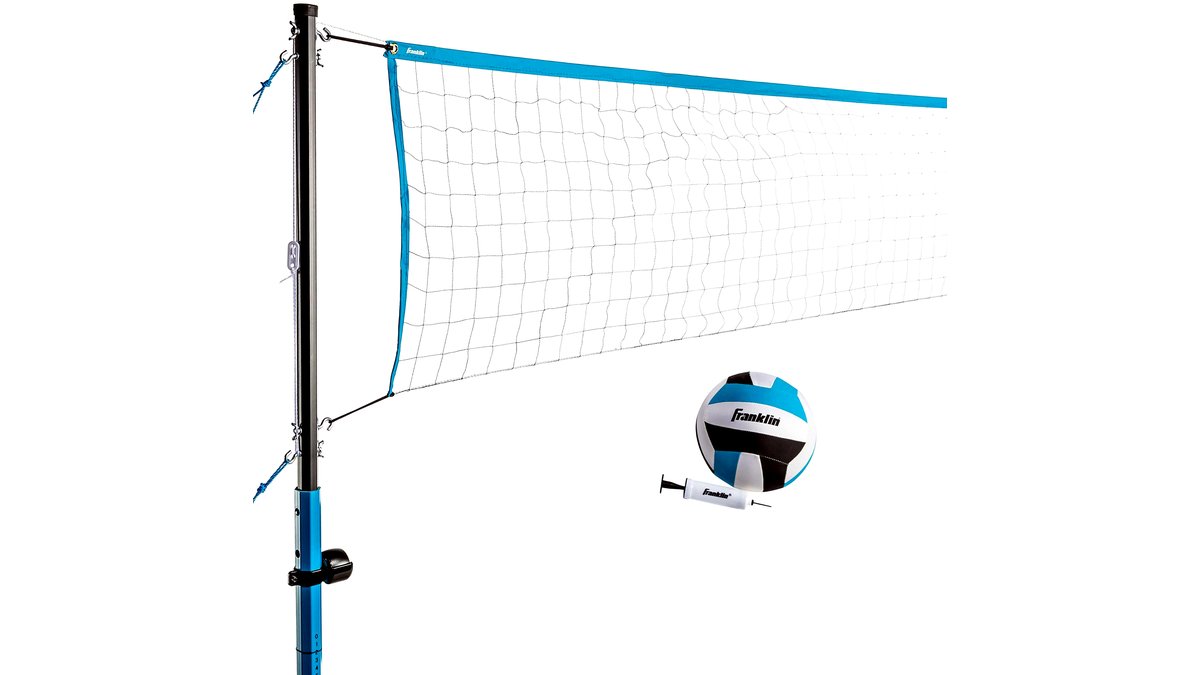
Buyers comparing volleyball net brands often look at Park & Sun’s recreational and practice-tier nets, which span both casual and more durable team-practice options. Franklin Sports is a frequent comparison for backyard and multi-sport combo sets that include volleyball alongside badminton or other games on the same frame. EastPoint Sports is another common budget-tier comparison, particularly for families wanting an all-in-one backyard game set rather than a dedicated volleyball-only system.
Common Buying Mistakes to Avoid
A common mistake is buying a basic backyard net set expecting it to hold up to frequent, competitive-level practice, then being disappointed when poles loosen or the net frays faster than expected. Matching the net’s intended use case, casual versus regular practice, to the actual frequency and intensity of play avoids this kind of early wear and repeat purchase.
Another frequent error is overlooking the anchoring method entirely and assuming any net set will work on any surface, when stakes rated for sand often fail on hard grass or dirt, and a net without a weighted base option simply can’t be used on a driveway or patio at all. Confirming the anchoring system matches the actual court surface before buying prevents a net that can’t be set up stably where it’s actually needed.
Frequently Asked Questions
What is the standard height for a volleyball net?
Regulation net height differs between men’s, women’s, and various youth divisions, and most adjustable practice nets let the height be changed to match whichever group is playing. Casual backyard games don’t need to follow exact regulation height, but using a consistent height still makes play fairer and more predictable.
How do I keep a volleyball net from sagging in the middle?
Most net sets include a center strap or guy line meant to anchor the net’s middle to the ground, which prevents the sagging that happens when only the end poles support the net’s weight. Skipping this strap is one of the most common reasons backyard nets droop noticeably after a short time in use.
Can a beach volleyball net be used on grass, and vice versa?
A net set can usually be used on either surface, but the stakes or anchors are what actually differ: sand-rated stakes often don’t hold well in firm grass or dirt, and standard grass stakes can pull right out of loose sand. Checking the stake or anchor type against the planned surface matters more than the net itself for a stable setup.
How long does it take to set up a portable volleyball net?
Basic portable sets are generally designed for setup in well under half an hour, often closer to ten to fifteen minutes once someone is familiar with the poles and tensioning system. Adjustable practice nets with sturdier poles and more hardware typically take a bit longer, especially the first few times before the process becomes familiar.
Do I need a referee stand or just a net and poles for casual play?
A referee stand is unnecessary for casual backyard or beach games and is mainly used in organized league or tournament play where height enforcement and line calls matter more. Most recreational buyers only need the net, poles, and ground anchors to get a casual game going.
How much maintenance does a volleyball net need over time?
Basic upkeep includes drying the net and poles before storage to prevent mildew, checking stakes or weighted bases for wear, and keeping tensioning straps or ratchets free of dirt buildup. A net left outdoors in direct sun and rain for long stretches will generally fade and weaken faster than one stored indoors between uses.