Key takeaways
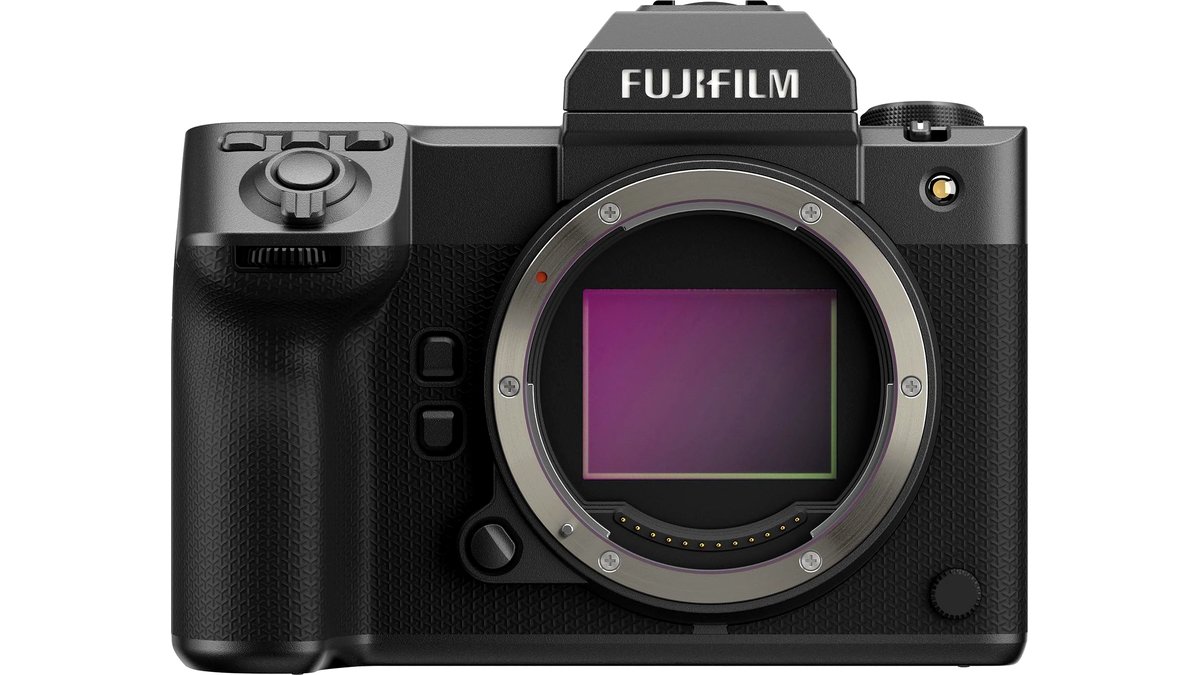
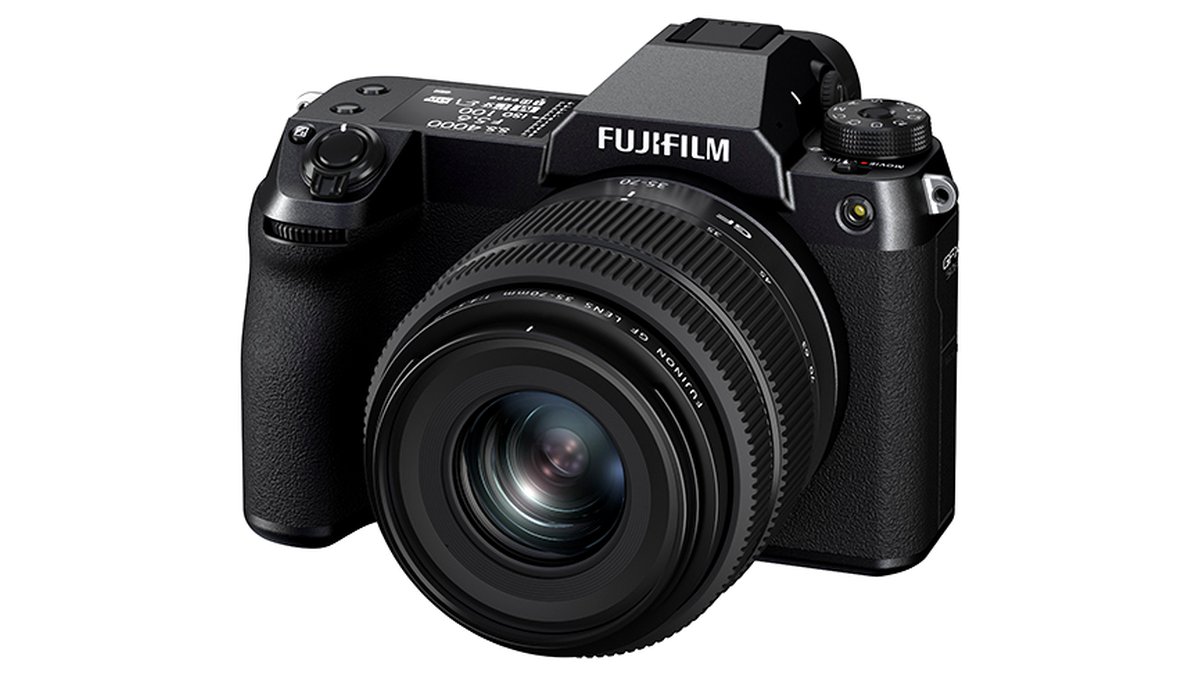
- Mirrorless medium format systems: compact mirrorless-style bodies built around a medium format sensor, generally offering live-view composition, in-body stabilization on some models, and a growing native lens lineup. These systems have become the mainstream choice for photographers moving up from full-frame mirrorless.
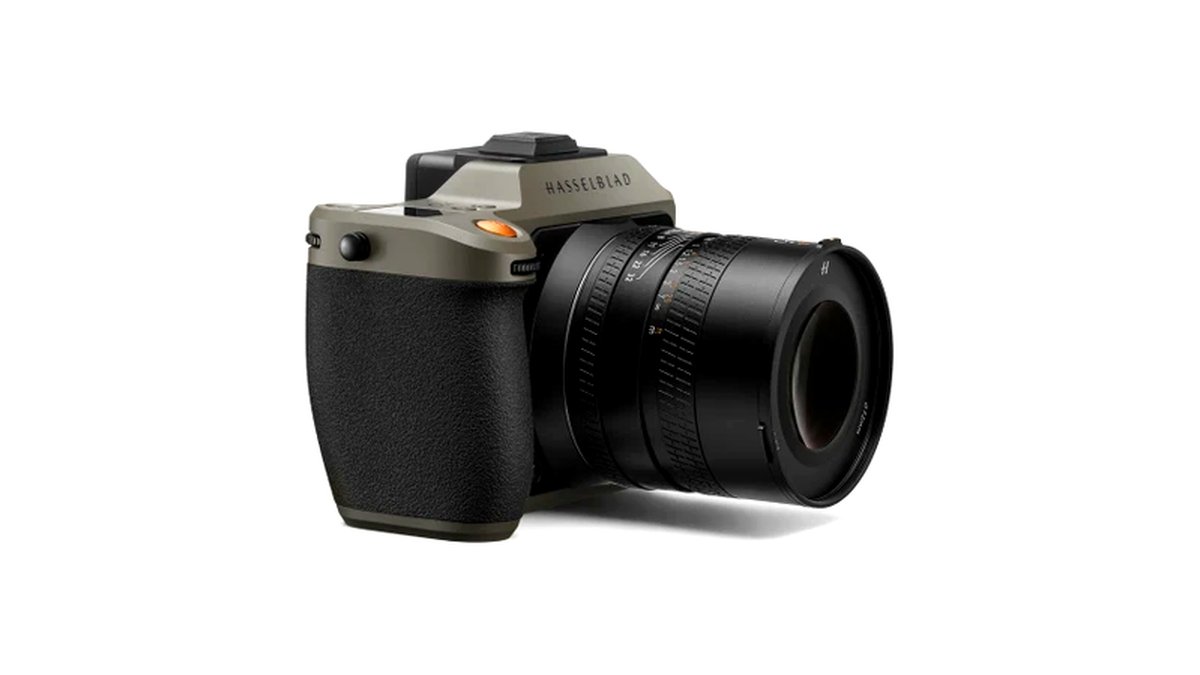
- Modular camera + digital back systems: a separate camera body paired with an interchangeable digital back, popular in studio and technical/view-camera work where photographers want to swap backs or use movements for perspective control.
- Fixed-lens compact medium format cameras: smaller medium format bodies with a built-in lens, aimed at photographers who want the sensor size benefit without a full interchangeable-lens system; these trade flexibility for a lighter, simpler kit.
Choose a medium format camera when you need more resolution and dynamic range than full-frame can deliver for studio, landscape or fine-art work, and skip it if you shoot fast action, sports or low-light events where full-frame or APS-C systems handle autofocus speed and low-light noise better. Medium format trades speed and portability for image quality headroom, so the right pick depends on whether that trade fits your actual shooting work.
As an Amazon Associate, we earn from qualifying purchases made through links on this page.
What Medium Format Actually Buys You
Medium format cameras use a sensor larger than the 35mm full-frame standard, which generally yields higher resolution files, smoother tonal gradation and more latitude to recover shadow and highlight detail in post-processing. The tradeoff is slower autofocus systems, heavier bodies and lenses, and a narrower range of fast-aperture glass compared to mainstream full-frame systems. Reviewers consistently note that medium format rewards deliberate, slower shooting styles like studio portraiture, landscape and commercial product work far more than it suits fast-moving subjects.
Main System Families
- Mirrorless medium format systems: compact mirrorless-style bodies built around a medium format sensor, generally offering live-view composition, in-body stabilization on some models, and a growing native lens lineup. These systems have become the mainstream choice for photographers moving up from full-frame mirrorless.
- Modular camera + digital back systems: a separate camera body paired with an interchangeable digital back, popular in studio and technical/view-camera work where photographers want to swap backs or use movements for perspective control.
- Fixed-lens compact medium format cameras: smaller medium format bodies with a built-in lens, aimed at photographers who want the sensor size benefit without a full interchangeable-lens system; these trade flexibility for a lighter, simpler kit.
Key Features to Compare
Sensor resolution and size
Medium format sensors vary in physical size between systems and even between models in the same lineup, which affects both resolution and the field-of-view “crop factor” relative to full-frame lenses on adapted systems. The maker’s spec sheet states the exact sensor dimensions and megapixel count; compare these directly rather than assuming “medium format” means one fixed sensor size across brands.
Autofocus performance
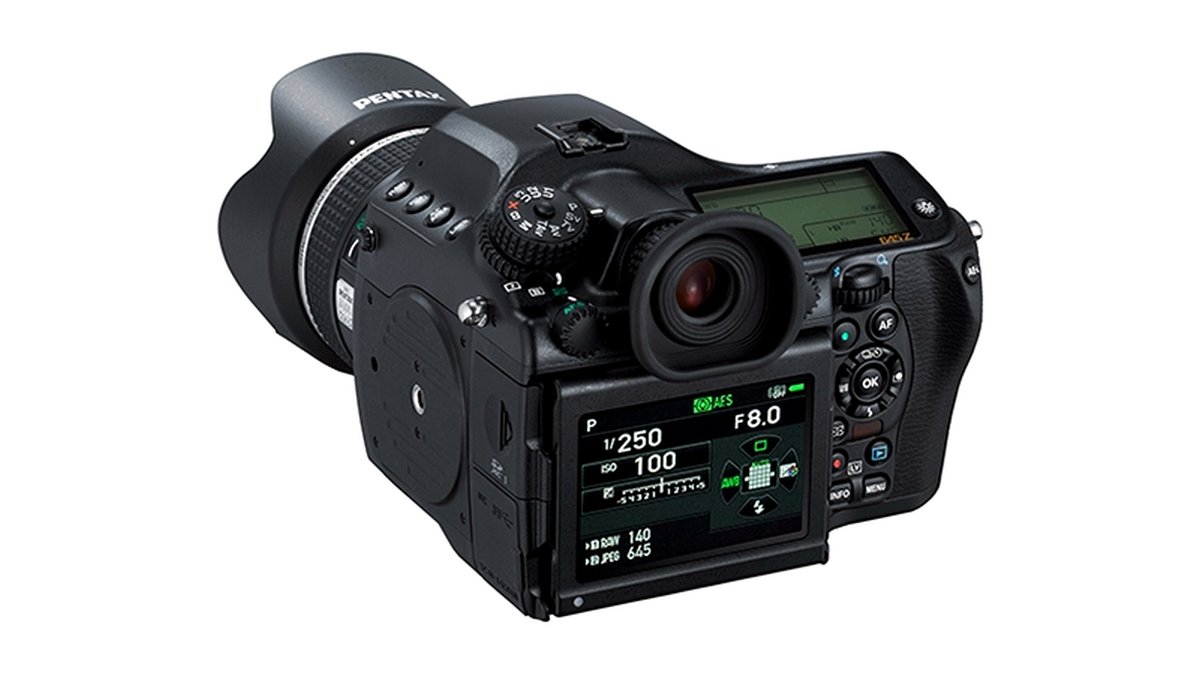
Autofocus on medium format systems has improved substantially on recent mirrorless models, with some makers now offering phase-detection autofocus and subject tracking. Even so, independent reviewers generally find medium format autofocus trails behind flagship full-frame systems for continuous tracking of moving subjects, which matters most for anyone considering medium format for anything beyond static or slow-moving subjects.
In-body stabilization and handling
Some current mirrorless medium format bodies include in-body image stabilization, which helps handheld shooting at slower shutter speeds, especially useful for landscape and travel work. Modular and fixed-lens systems vary more widely on this feature, so check the specific model’s stated stabilization support.
Lens ecosystem
Native lens lineups for medium format systems are smaller than full-frame lens catalogs, though adapters exist for some systems to use lenses from the maker’s older mounts or other brands. Check the native lens roadmap and adapter compatibility before committing to a system, particularly if you need specific focal lengths like wide-angle or macro.
File workflow and tethering
Studio and commercial photographers often tether medium format cameras directly to a computer for live image review during a shoot. Confirm the camera supports the tethering software and connection type (typically USB-C) your studio workflow already uses.
At a Glance
| System Type | Best For | Key Stated Specs | Limits |
|---|---|---|---|
| Mirrorless medium format | Landscape, portrait, travel photographers upgrading from full-frame | High-resolution sensor, live view, some models with in-body stabilization and phase-detection AF | Smaller native lens lineup than full-frame; AF trails flagship full-frame for fast action |
| Modular body + digital back | Studio, product and technical/view-camera photography | Interchangeable digital backs, compatibility with view-camera movements on some setups | Bulkier, slower to operate, best suited to controlled studio conditions |
| Fixed-lens compact medium format | Photographers wanting sensor-size benefits in a lighter kit | Built-in lens, compact body, simplified controls | No lens interchangeability; limited focal length choice |
Fit and Compatibility Notes
Check battery life ratings carefully; medium format bodies, especially mirrorless ones with constant live-view power draw, generally run through batteries faster than full-frame mirrorless cameras, so many studio and travel photographers carry multiple spare batteries. Storage card requirements also matter: large medium format files fill cards faster and benefit from high-speed card types the maker specifies for full-speed burst and video recording. If choosing a modular back system, confirm the back is compatible with your specific camera body and mount generation, since backs are not universally cross-compatible across all bodies from the same maker.
Pick X If…
| If you… | Choose… |
|---|---|
| Want the most modern, flexible system with growing autofocus capability | A current mirrorless medium format body |
| Shoot primarily in a studio and want back/body flexibility | A modular camera + digital back system |
| Want medium format image quality in the lightest possible kit | A fixed-lens compact medium format camera |
| Shoot fast-moving subjects most of the time | Stick with a full-frame mirrorless system instead of medium format |
Alternatives to Consider
- High-resolution full-frame mirrorless cameras: close the resolution gap with medium format for many buyers while keeping faster autofocus and a larger native lens selection, worth considering if medium format’s AF limitations are a dealbreaker.
- Used or previous-generation medium format bodies: can offer much of the sensor-size image quality benefit at a lower tier than current flagship models, though confirm the latest software and firmware support before buying older gear.
- Film medium format cameras: still used by some photographers for a specific look and workflow; a very different cost and workflow model than digital, worth considering only if film is a deliberate creative choice rather than a budget decision.
Budget Tiers to Expect
Entry points into medium format sit well above mainstream full-frame pricing, and the gap widens quickly once native lenses, a modular back, or tethering accessories are added. A budget-tier mirrorless medium format body with a single kit lens represents the most accessible entry point into the format. Mid-tier bodies add better autofocus coverage and in-body stabilization. Premium modular systems with interchangeable backs sit at the top, aimed squarely at working studio and commercial photographers who can spread the cost across paid assignments rather than personal use.
Frequently Asked Questions
Is medium format worth it over full-frame for most photographers?
For studio, landscape, and fine-art photographers who print large or need maximum dynamic range, medium format often provides a visible quality step up. For photographers prioritizing speed, portability, or budget, a high-resolution full-frame camera generally serves better day-to-day needs.
Can medium format cameras shoot video?
Many current mirrorless medium format bodies support video recording, though resolution, frame rate options and autofocus performance during video are typically more limited than dedicated video-focused full-frame or cinema cameras. Check the specific model’s stated video specs if video is a priority.
Do medium format lenses work on full-frame cameras, or vice versa?
Generally no, native medium format lenses are designed for the larger sensor’s image circle and mount, and are not natively compatible with full-frame bodies without an adapter, if one even exists for that combination. Check the lens and body manufacturer’s compatibility documentation before assuming cross-compatibility.
How much heavier is a medium format kit compared to full-frame?
Medium format bodies and lenses are generally heavier and bulkier than full-frame equivalents, though mirrorless medium format systems have narrowed this gap compared to older modular systems. Check the manufacturer’s stated body and lens weights if portability is a concern for travel or long handheld sessions.
Is autofocus good enough on modern medium format cameras for portraits?
Current mirrorless medium format systems with phase-detection autofocus generally handle portrait work, including some face and eye detection, reasonably well for posed or slow-moving subjects. They still generally lag behind flagship full-frame systems for fast continuous tracking, so photographers shooting a lot of movement during portrait sessions should test autofocus behavior before relying on it.
What storage cards do medium format cameras need?
Requirements vary by model, but high-resolution medium format files and video recording generally call for high-speed card types specified in the camera’s manual to avoid buffer slowdowns during bursts or dropped frames during video. Always check the manufacturer’s recommended card speed class before buying storage for a new body.