Key takeaways
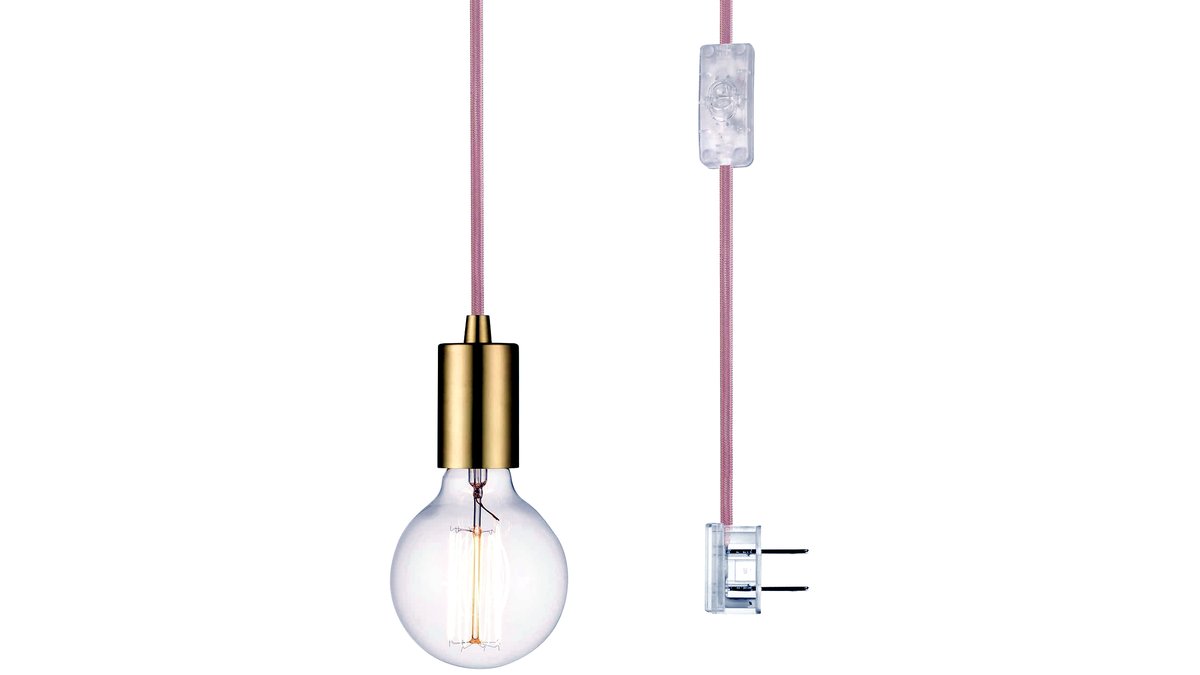
- Plug-in pendants with an inline cord switch — the cord has a rocker or toggle switch built into it partway down, so the fixture plugs into a standard outlet and turns on/off independently of any wall switch.
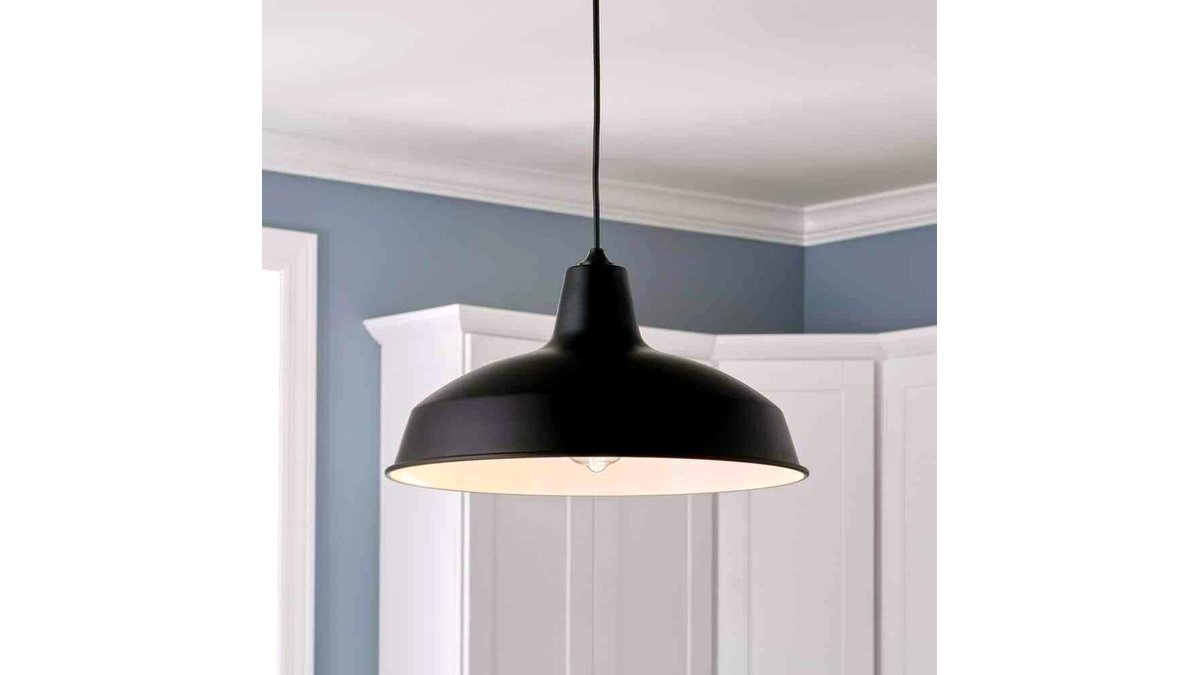
- Hardwired pendants with a built-in pull-chain or rotary switch — the switch is on the fixture itself (often on the socket or canopy), used alongside or instead of a wall switch; common on single-bulb utility and barn-style pendants.
- Hardwired pendants wired to a standard wall switch — no switch on the fixture at all; control comes entirely from the household wall switch on that circuit, which is how most permanent dining and kitchen pendants are set up.
- Smart-enabled pendants — controlled via an app or smart switch/bulb rather than a physical switch on the fixture, sometimes paired with a traditional switch as backup.
A plug-in pendant light with an inline cord switch suits anyone who wants a hanging fixture without rewiring a ceiling box, while a hardwired pendant with a switch housing built into the canopy or a compatible wall switch suits a permanent installation where the light will be controlled the normal way, from the wall.
As an Amazon Associate, we earn from qualifying purchases made through links on this page.
What “With Switch” Actually Covers in This Category
“Hanging lights with switch” covers a few genuinely different products, and picking the wrong type leads to either an unnecessary electrician call or a fixture that can’t be controlled the way it was expected to be.
- Plug-in pendants with an inline cord switch — the cord has a rocker or toggle switch built into it partway down, so the fixture plugs into a standard outlet and turns on/off independently of any wall switch.
- Hardwired pendants with a built-in pull-chain or rotary switch — the switch is on the fixture itself (often on the socket or canopy), used alongside or instead of a wall switch; common on single-bulb utility and barn-style pendants.
- Hardwired pendants wired to a standard wall switch — no switch on the fixture at all; control comes entirely from the household wall switch on that circuit, which is how most permanent dining and kitchen pendants are set up.
- Smart-enabled pendants — controlled via an app or smart switch/bulb rather than a physical switch on the fixture, sometimes paired with a traditional switch as backup.
Top Picks at a Glance
| Type / tier | Best for | Key stated specs | Limits |
|---|---|---|---|
| Plug-in pendant, inline cord switch | Renters, dorms, reading nooks, anywhere without an existing ceiling fixture | Makers commonly list a 15-footish cord length, an inline on/off switch, and a standard medium-base socket | Needs a nearby outlet; cord is usually visible unless routed along a wall or ceiling clip |
| Hardwired pendant with pull-chain/rotary switch | Garages, workshops, laundry rooms, utility spaces | Reviewers note these typically pair a single socket with an on-fixture switch, often on a simple metal or glass shade | Switch is at the fixture, which isn’t always convenient for tall ceilings |
| Hardwired pendant, wall-switch controlled | Kitchen islands, dining tables, entryways — standard permanent installs | No switch on the fixture itself; relies entirely on the existing wall switch and circuit | Requires an existing switched ceiling box or an electrician to add one |
| Smart pendant / smart-switch compatible | Buyers wanting app or voice control, dimming, or scheduling | The maker typically lists compatibility with common smart home platforms and dimmable LED-rated sockets | Setup and app pairing add a step; some models need a compatible smart bulb or switch purchased separately |
Fit, Ceiling, and Wiring Compatibility Notes
Before buying, it helps to know what’s actually above the ceiling: a plug-in pendant with a hook and cord needs a nearby outlet and a solid point to anchor the hook (a stud, joist, or rated ceiling anchor — never just drywall alone for anything beyond a very light fixture). A hardwired pendant needs an existing electrical box rated for the fixture’s weight, and swapping styles (say, from a flush mount to a heavier pendant) sometimes means confirming the box is graduated for a hanging load rather than just a flush fixture.
For anyone unsure about wiring, working inside a ceiling junction box or adding a new switched circuit is electrical work that should go to a licensed electrician — a plug-in pendant is the straightforward option specifically because it avoids that step entirely.
Cord or chain length matters for ceiling height: most pendants ship with adjustable chain or cord that can be shortened, but very tall or very low ceilings are worth checking against the maximum and minimum hanging height listed for the fixture.
Pick X If…
| Pick this if… | Recommended type |
|---|---|
| You rent, or don’t want to touch ceiling wiring at all | Plug-in pendant with inline cord switch |
| You want a utility light in a garage or workshop with its own switch | Hardwired pendant with pull-chain/rotary switch |
| You already have a switched ceiling box and want a clean, permanent install | Hardwired pendant, wall-switch controlled |
| You want dimming, scheduling, or voice control | Smart pendant or smart-switch compatible fixture |
A Few Alternatives Worth Knowing About
Plug-in swag lamps — a close cousin of the plug-in pendant, designed specifically to be swagged (angled) across a ceiling using hooks, useful for positioning light over a spot with no nearby outlet directly above it.
Multi-light pendant bars or kits that hang several small pendants from one canopy are worth considering for kitchen islands or long tables, usually wired to a wall switch like a standard hardwired pendant.
Battery-powered hanging lights with a built-in switch are an option for spaces with no outlet and no interest in wiring at all, though brightness and runtime are more limited than corded options.
Style, Bulb, and Long-Term Considerations
Pendant styling matters for more than looks — the shade material and openness affect how much light actually reaches the room versus how much stays trapped inside a closed shade. A fully enclosed glass or metal shade concentrates light downward, which suits task lighting over a table or counter, while an open cage or glass globe style spreads light more broadly, which suits general room illumination. Matching the shade style to the actual purpose of the fixture avoids ending up with a good-looking pendant that doesn’t light the space the way it was expected to.
Bulb choice affects both the look and the running cost of a hanging fixture over time. Most current pendants use a standard medium-base socket compatible with LED bulbs, and choosing an LED rated for the fixture’s enclosure type (some enclosed fixtures need bulbs rated for enclosed use to avoid overheating) keeps the bulb running at its expected lifespan. Checking the maximum wattage listed on the fixture before installing a bulb avoids exceeding the socket’s rated capacity.
For plug-in pendants specifically, routing the cord neatly along a wall or ceiling using cord clips, rather than leaving it hanging loose, is a simple step that affects both appearance and safety by keeping the cord out of the way of foot traffic or furniture.
Frequently Asked Questions
Can I install a plug-in pendant without an electrician?
Yes — a plug-in pendant is designed to be hung from a hook and plugged into a standard outlet, which is exactly why this style is popular for renters. The only installation step is securing the mounting hook to something solid enough to hold the fixture’s weight.
Will a hardwired pendant work with my existing wall switch?
If the ceiling box the pendant replaces was already controlled by that wall switch, a compatible hardwired pendant will generally work the same way once wired in. If the existing fixture had its own switch instead (like a pull-chain pendant), the wiring setup may be different, and it’s worth checking before assuming a straight swap.
Can I add a dimmer to a hanging light with a built-in switch?
It depends on the switch type and the bulb. A pendant with its own inline or pull-chain switch generally isn’t compatible with an added wall dimmer unless the fixture and bulb are both dimmer-rated and the switch is bypassed or replaced; a smart bulb with app-based dimming avoids this issue entirely.
Is it safe to hang a heavy pendant from just the ceiling drywall?
No — drywall alone isn’t rated to support a hanging fixture of real weight. A stud, ceiling joist, or a properly rated anchor is needed, and for hardwired fixtures the existing electrical box needs to be rated for the fixture’s weight as well, not just for a flush-mount light.
How long should the cord or chain be for a kitchen island pendant?
This depends on ceiling height and counter height rather than a fixed number — most pendants ship with excess chain or cord that gets shortened during installation to land the fixture around standard hanging heights above a counter or table, which most manufacturers note in their installation instructions.
Do LED pendant bulbs need a special switch?
Standard on/off switches work fine with LED bulbs. Dimming is the exception — not all LED bulbs are dimmable, and pairing a non-dimmable LED with a dimmer switch can cause flickering or buzzing, so checking that both the bulb and the switch are dimmer-compatible matters if dimming is wanted.