Key takeaways
- A set of small battery-powered wireless uplights with app or remote control suits weddings, parties, and one-off events where walls can’t be wired and lights need to move between venues, while a DMX-controllable wired kit suits recurring event producers or…
A set of small battery-powered wireless uplights with app or remote control suits weddings, parties, and one-off events where walls can’t be wired and lights need to move between venues, while a DMX-controllable wired kit suits recurring event producers or venues that want synchronized, programmable lighting across many fixtures at once.
As an Amazon Associate, we earn from qualifying purchases made through links on this page.
What Uplighting Kits Actually Do
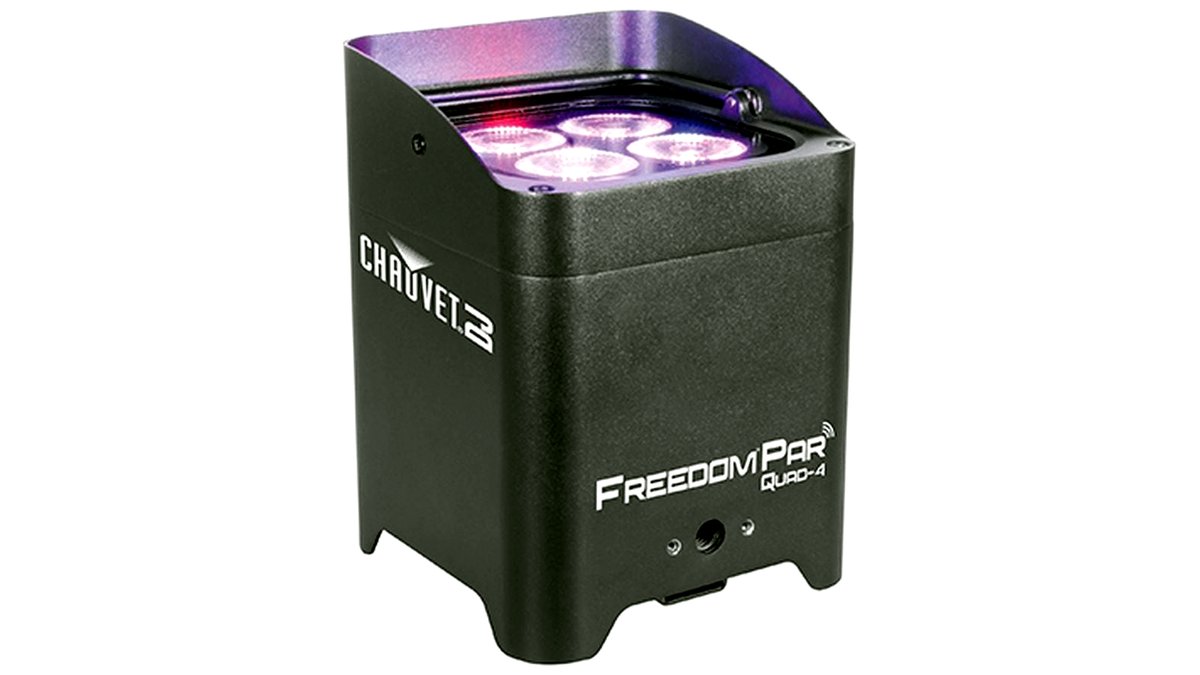
Uplights are compact fixtures placed on the floor and aimed upward along a wall, column, drape, or architectural feature to add color and depth to a room without overhead rigging. They’re a staple of wedding and event decor because a relatively small number of fixtures, typically placed every few meters along a wall, can transform a plain banquet hall or tent far more cheaply than full-room drapery or structural lighting changes. Most consumer and event-rental kits today use LED fixtures, which run cool enough to sit near drapery or linens safely and draw far less power than older halogen or incandescent uplights.
Buyers in this category are usually one of three types: a couple or event host planning a single wedding or party, a small event or wedding planning business that reuses the same kit across multiple events, or a venue that wants a semi-permanent uplighting setup for repeat use. Each of these has different priorities around battery life, control method, and total fixture count.
Picks by Use Case
Wireless Battery-Powered Kits for One-Off Events
These fixtures run on rechargeable internal batteries, commonly rated by makers for somewhere between 6 and 12-plus hours on a full charge depending on brightness and color settings, which removes the need to run extension cords along a venue’s walls or floor. Many are controlled by a included remote or a smartphone app, letting a single person set color and brightness across multiple fixtures without rewiring anything. This category suits weddings and parties specifically because venues often restrict taping cords to floors or walls, and a battery fixture avoids that restriction entirely.
DMX-Controllable Kits for Programmed Shows
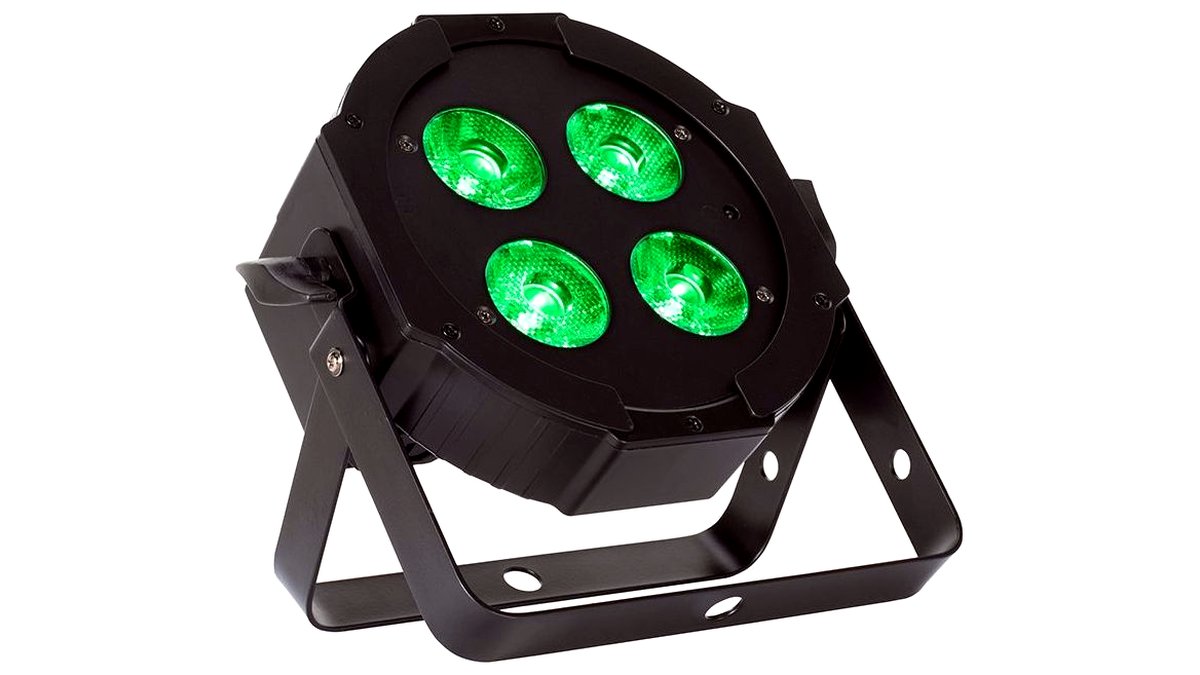
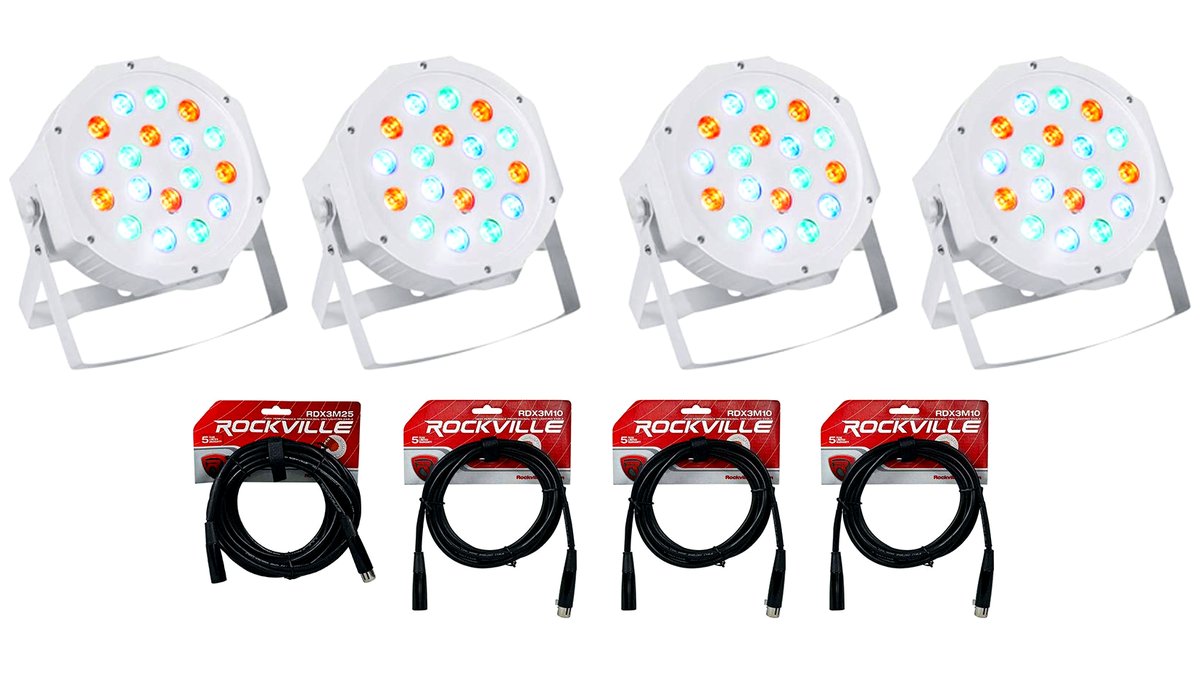
For events wanting synchronized color changes, chases, or integration with a DJ’s existing lighting console, DMX-compatible uplights accept a standard lighting-control protocol that professional and prosumer lighting gear commonly uses. These kits typically need either a wired DMX daisy-chain between fixtures or a wireless DMX transmitter/receiver pair, and suit event producers already running other DMX-controlled gear such as moving heads or a lighting console.
Compact Pack-and-Go Kits for Mobile Event Businesses
Event rental and planning businesses that transport lights between venues frequently benefit from kits sold in a wheeled or padded case with charging docks built in, so the whole set recharges together between events rather than needing individual fixtures plugged in one at a time. These kits often emphasize total case weight and fixture count per case as much as lighting output, since portability directly affects how many events a small crew can service.
High-Output Kits for Large Venues
Larger halls, tents, or outdoor spaces need fixtures with higher stated lumen output to remain visible against ambient light or a taller wall, and some kits in this tier add wider beam-angle options or barn-door accessories to shape the light more precisely around windows, outlets, or other features that shouldn’t be lit directly.
At a Glance Comparison
| Kit Type | Best For | Key Stated Specs | Limits |
|---|---|---|---|
| Wireless battery uplights | Weddings, parties, single events | Rechargeable battery, remote/app control, no cords needed | Battery life limits total run time per charge |
| DMX-controllable uplights | Programmed shows, DJ-integrated lighting | DMX wired or wireless control, chase/sync programs | More setup complexity, needs a controller or transmitter |
| Pack-and-go business kits | Event rental/planning businesses | Case-based charging, multi-fixture storage | Higher upfront cost for a full fixture set |
| High-output large-venue kits | Big halls, tents, outdoor spaces | Higher lumen output, beam-shaping accessories | Bulkier fixtures, higher cost per unit |
Fit, Placement, and Venue Compatibility Notes
Fixture spacing along a wall is the main planning variable: makers and event lighting guides commonly suggest placing uplights every couple of meters for even coverage, though the exact spacing depends on beam angle and desired brightness, with wider beam angles generally allowing greater spacing between fixtures. Counting linear wall footage at the venue and dividing by the planned spacing gives a reasonable estimate of how many fixtures a space actually needs, which is worth doing before buying or renting a fixed-size kit.
Venue rules often dictate kit choice as much as personal preference. Many banquet halls and hotels prohibit taping cords to floors or walls for safety and cleaning reasons, which pushes battery-powered wireless kits ahead of corded options for most one-off events; checking the venue’s specific lighting and decor policy before buying or renting is worth doing early in the planning process. Outdoor events add weather considerations, since not all uplights are rated for damp or wet conditions, so an outdoor or tented event should use fixtures the maker specifically lists as weather-resistant.
Color accuracy and control granularity vary by kit: basic RGB fixtures typically offer a fixed set of preset colors, while RGBW or RGBWW fixtures add a dedicated white channel for more natural, less tinted white light when a warm or neutral wash is wanted rather than a saturated color. Event planners aiming for a specific color match to a wedding palette generally benefit from app-controlled kits that allow fine color adjustment rather than cycling through fixed presets.
Pick X If…
| Choose This | If You… |
|---|---|
| Wireless battery uplights | Are lighting a single wedding or party and can’t run cords |
| DMX-controllable uplights | Want synchronized effects or already use DMX lighting gear |
| Pack-and-go business kit | Run an event business transporting lights between venues |
| High-output large-venue kit | Are lighting a large hall, tent, or outdoor space |
| RGBW/RGBWW fixtures | Need precise, natural-looking color matching for a specific palette |
Alternatives Worth Considering
Hosts who want a similar visual effect with less equipment to manage sometimes use string lights or draped fabric with built-in LED elements instead of floor-based uplighting, which can be simpler to set up but produces a different, less directional look. Renting a kit for a single event, rather than purchasing one outright, is often more cost-effective for a one-time wedding or party, and many event rental companies include setup and teardown as part of the rental. For venues wanting a permanent solution, built-in architectural LED lighting installed during a renovation avoids the need for portable fixtures entirely, though it requires electrical work and loses the flexibility to change the look for different events.
Setup Timing and Crew Considerations
Planning enough setup time matters as much as choosing the right fixtures, since uplighting is typically installed close to the event start after a venue has finished its own room turnover, such as clearing a prior event or completing catering setup. Battery-powered wireless kits generally set up faster than DMX-wired systems, since there is no cable run to hide along the floor, but every fixture still needs to be positioned, aimed, and color-checked individually, which adds up across a large room with many fixtures. Event planners commonly budget a window of an hour or more for a mid-size room, scaling up for larger venues or more complex color programming.
Teardown speed is also worth factoring into the overall plan, particularly for venues with a tight turnaround between the end of one event and the start of the next. Fixtures that recharge in their transport case, rather than needing to be plugged in individually afterward, simplify this step for anyone running back-to-back events, which is one reason mobile event businesses often prioritize case-based charging kits even when a cheaper individual-fixture kit would provide similar lighting output.
Frequently Asked Questions
How many uplights are needed for an average wedding venue?
This depends on the room’s wall length and the fixture’s beam angle, but event lighting guides commonly suggest spacing fixtures every couple of meters along the walls to be lit, so measuring the venue’s usable wall footage is the most reliable way to estimate total fixture count. Corners, stages, and focal walls sometimes warrant closer spacing or extra fixtures compared with plain side walls.
How long do battery-powered uplights last on a single charge?
Manufacturers commonly state a range of several hours up to half a day or more on a full charge, though actual runtime depends on brightness level and whether color-changing or strobe effects are in use, since higher output and active effects draw more power. Charging all fixtures fully the night before an event and testing runtime at the planned brightness setting is a reasonable precaution for a long event.
Can uplighting kits be controlled with a smartphone?
Many consumer and event-rental uplighting kits include an app that controls color, brightness, and sometimes basic effects across multiple fixtures from one phone, which simplifies setup compared with adjusting each fixture individually. Kits aimed at professional DMX-based control sometimes skip an app in favor of a dedicated lighting controller instead.
Are uplighting kits safe to use near curtains, drapery, or fabric decor?
LED uplights run much cooler than older halogen or incandescent fixtures, which makes them generally safer near fabric and decor, though manufacturers still typically specify a minimum clearance distance from flammable materials in their instructions. Following that stated clearance and the venue’s own fire-safety rules is the recommended approach rather than assuming any LED fixture is heat-free.
What’s the difference between RGB and RGBW uplights?
RGB fixtures mix red, green, and blue LEDs to create colors, including white, by combining all three channels, which can produce a tinted or less natural-looking white compared with a dedicated white LED. RGBW fixtures add a separate white diode specifically for cleaner white and pastel tones, which event planners often prefer when a soft, warm wash rather than a saturated color is the goal.
Can uplights be used outdoors?
Only fixtures the manufacturer specifically rates for outdoor or wet-location use should be used outside or in a tent exposed to weather, since indoor-rated fixtures may not resist moisture or temperature swings reliably. Checking the maker’s stated IP rating and intended use environment before an outdoor event avoids damaging fixtures not built for that exposure.