Key takeaways
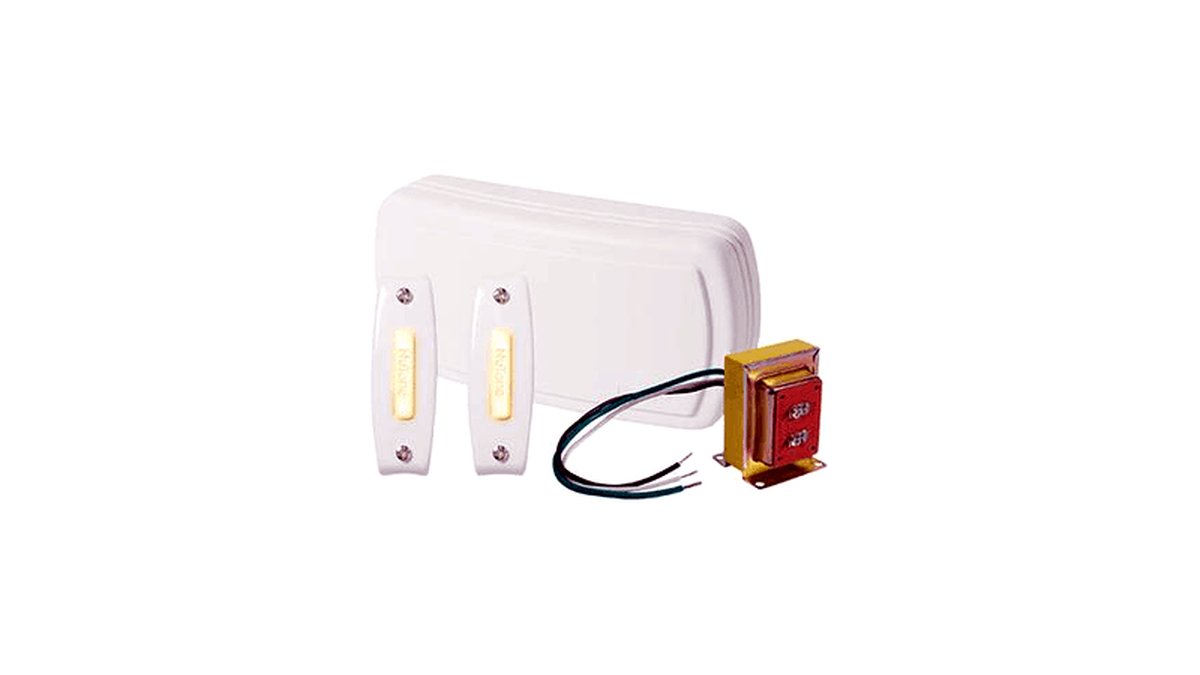
- A wired mechanical or digital chime kit bundled with a compatible transformer suits anyone replacing an old doorbell system end-to-end, while a standalone transformer sold without a chime suits someone keeping their existing chime box but needing to match its…
A wired mechanical or digital chime kit bundled with a compatible transformer suits anyone replacing an old doorbell system end-to-end, while a standalone transformer sold without a chime suits someone keeping their existing chime box but needing to match its voltage to a new smart doorbell.
As an Amazon Associate, we earn from qualifying purchases made through links on this page.
Why the Transformer Matters So Much Here
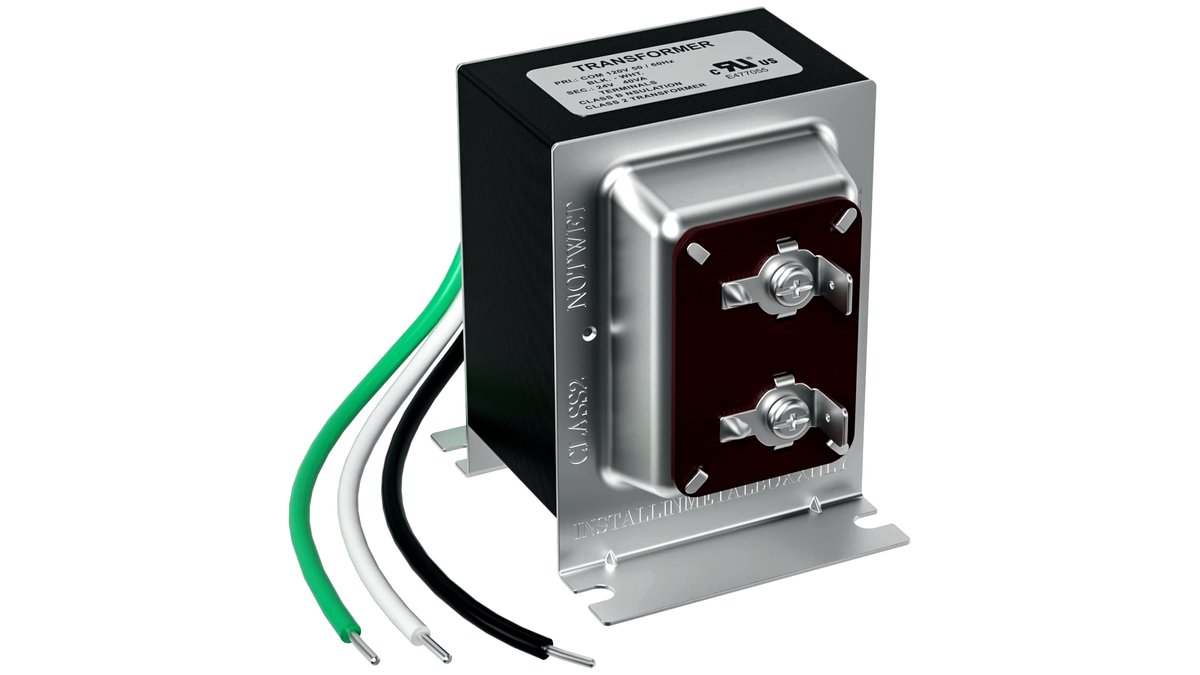
A doorbell transformer steps household line voltage down to the low voltage, commonly in the 8 to 24-volt AC range, that doorbell wiring and chime units are designed to use. Getting this component wrong is one of the most common doorbell problems: too little voltage and a chime sounds weak or a smart doorbell won’t power on reliably; too much voltage and it can damage the chime or doorbell camera’s internal components. This is why many chime kits are now sold bundled with a specific transformer, matched to the chime’s stated voltage and current (amperage) requirements, rather than assuming any transformer already in the wall will work.
Buyers typically land in this category for one of three reasons: installing a smart video doorbell that lists a specific minimum voltage and current requirement, replacing a broken or weak-sounding mechanical chime, or doing a full doorbell system replacement during a renovation. Each scenario changes which transformer rating actually matters.
Picks by Scenario
Smart Video Doorbell Transformer Kits
Many wired smart doorbells, including models from Ring and Google’s Nest doorbell line, list a specific voltage and current range the maker says the transformer must meet to keep the doorbell powered and the chime (if kept) functioning correctly. Several brands sell a matched plug-in or hardwired transformer kit specifically for their doorbell, which the maker states is sized to avoid the underpowering issues common when reusing an old, lower-rated transformer.
Mechanical Chime Replacement Kits
Traditional mechanical chimes, the classic two or three-note “ding-dong” box, are commonly bundled with a transformer sized for their specific electrical draw, since mechanical chimes often need a different voltage and current profile than digital or smart chimes. These kits suit a straightforward swap of an old, worn-out chime box without adding any smart features.
Digital or Wireless-Compatible Chime Kits
Digital chimes, which play recorded or synthesized tones rather than striking physical bars, sometimes have lower power draw than mechanical units but still need a correctly matched transformer, especially in homes that also run a smart doorbell camera off the same wiring. Kits in this category are often marketed as compatible with a specific smart doorbell brand, so checking that compatibility claim against the actual doorbell model is worth the extra step.
Standalone Replacement Transformers
Sold without a chime, these suit anyone keeping an existing, working chime box but needing to upgrade the transformer to meet a new smart doorbell’s power requirements. These are typically sized by voltage output and current rating (in amps or VA) and should be matched against both the chime’s and the doorbell’s stated requirements, not just one or the other.
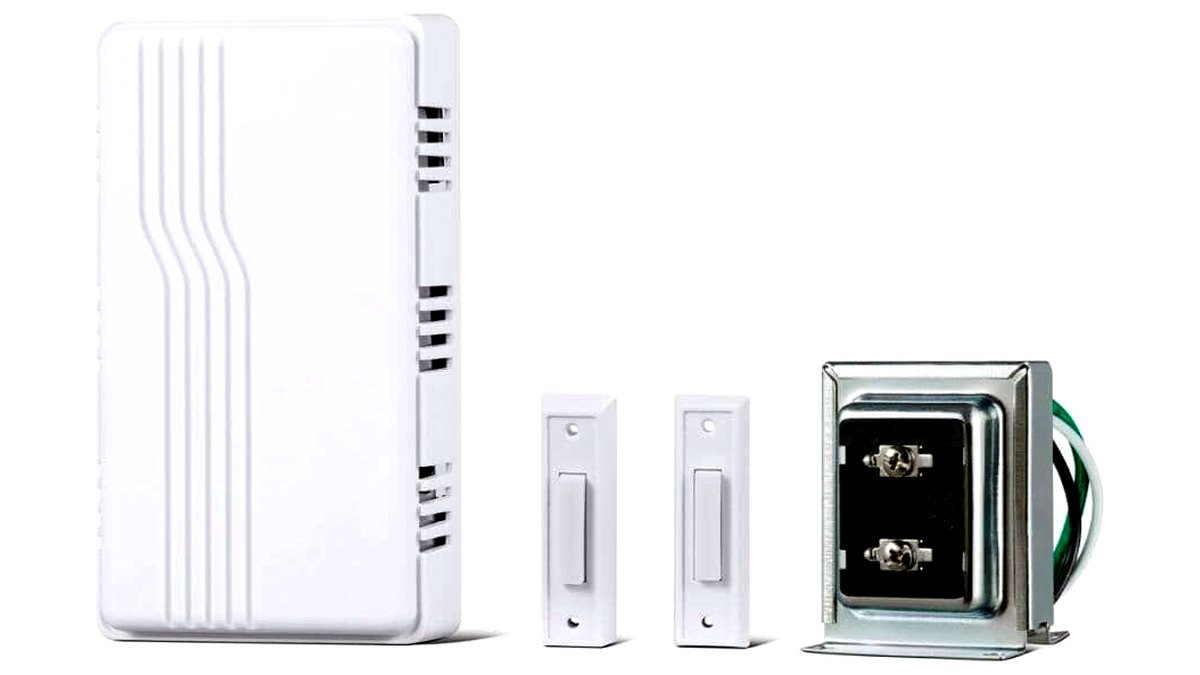
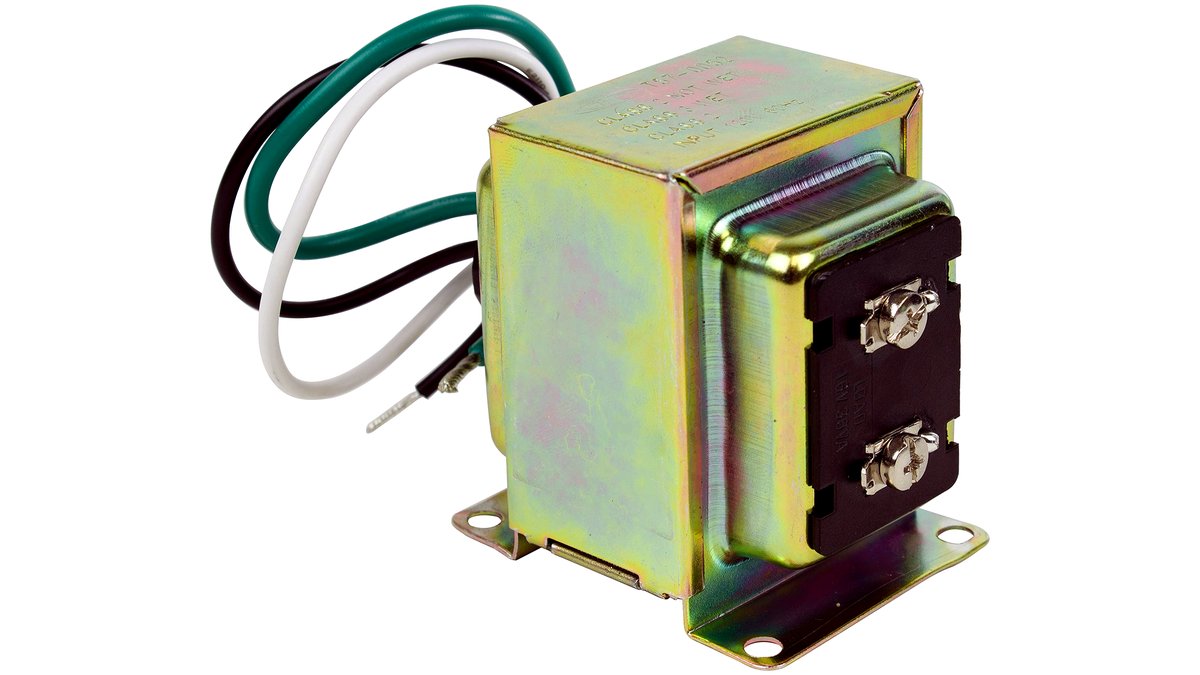
At a Glance Comparison
| Kit Type | Best For | Key Stated Specs | Limits |
|---|---|---|---|
| Smart doorbell transformer kit | Powering a wired video doorbell reliably | Voltage/current matched to a specific doorbell brand | May be brand-specific rather than universal |
| Mechanical chime replacement kit | Swapping an old or broken chime box | Transformer sized for mechanical chime draw | No smart or video doorbell features included |
| Digital/smart-compatible chime kit | Pairing a modern chime tone with a smart doorbell | Lower power draw, smart doorbell compatibility listed | Compatibility claims vary; must confirm against doorbell model |
| Standalone replacement transformer | Upgrading power without replacing the chime | Specific voltage/VA output rating | Must independently match both chime and doorbell specs |
Fit, Wiring, and Compatibility Notes
The single most important compatibility check is matching the transformer’s output voltage and current (or VA rating) to both the chime and, if installed, the smart doorbell’s stated requirements, since the lower of the two components’ tolerances generally sets the safe operating range. Many smart doorbell manufacturers publish a minimum and maximum voltage range directly in their installation documentation, and an existing transformer that predates the doorbell’s installation may fall short, particularly in older homes with original hardwired doorbell systems.
Transformers are typically installed in one of two ways: as a plug-in unit near an outlet with low-voltage wire run to the chime and doorbell, or as a hardwired unit mounted inside an electrical panel, junction box, or other enclosure tied into household wiring. Hardwired transformer installation or replacement generally involves working with line-voltage wiring, which in many areas should be done by, or at least verified by, a licensed electrician, while plug-in transformers avoid that step entirely and are a more accessible DIY option.
Chime box compatibility also depends on wiring configuration: some systems use a single chime for both front and back doors, while others wire separate chimes per entry, and smart doorbells sometimes add a third wiring consideration if they tap into the same low-voltage circuit. Checking the number of wires currently present at the chime box and matching them against the new transformer and chime kit’s wiring diagram prevents a mismatch discovered mid-installation.
Pick X If…
| Choose This | If You… |
|---|---|
| Smart doorbell transformer kit | Are installing or troubleshooting power for a wired video doorbell |
| Mechanical chime replacement kit | Just want to replace an old or failing traditional chime box |
| Digital/smart-compatible chime kit | Want a modern chime tone that works alongside a smart doorbell |
| Standalone replacement transformer | Already have a chime you like but need more reliable power |
| Professional electrician installation | Need to replace a hardwired transformer inside a panel or junction box |
Alternatives Worth Considering
Buyers who want to avoid any wiring work entirely can choose a battery-powered smart doorbell that does not rely on existing doorbell wiring or a transformer at all, trading periodic battery recharging for installation simplicity. Another option is a plug-in wireless chime that pairs with a battery-powered doorbell button over radio frequency rather than low-voltage wiring, useful in homes without existing doorbell wiring. For anyone unsure about electrical work, hiring an electrician to assess and, if needed, replace the existing transformer as part of a smart doorbell installation removes the guesswork around voltage matching.
Troubleshooting Before Buying a Replacement
Before assuming a new transformer is needed, checking the existing wiring for loose connections, corrosion at the chime terminals, or a tripped low-voltage fuse (some transformers include a resettable fuse or breaker) can rule out a simpler fix. A multimeter reading taken at the transformer’s output terminals, compared against the rating printed on the transformer’s label, quickly confirms whether it is still delivering its rated voltage or has degraded over time, which is common in transformers that have been in service for many years. Homeowners uncomfortable testing voltage themselves can ask an electrician to perform this check as part of a broader doorbell or smart-doorbell installation visit.
It’s also worth confirming the problem is actually the transformer and not the chime unit or doorbell itself, since a failing chime or a doorbell with a separate internal power issue can produce similar symptoms, such as no sound or an unresponsive button press. Swapping in a known-good chime temporarily, where practical, or checking the smart doorbell app for a specific low-power warning message, helps narrow down which component actually needs replacing before spending money on a new transformer that may not solve the issue.
Frequently Asked Questions
How do I know what voltage transformer my doorbell chime needs?
The chime or smart doorbell’s installation manual or manufacturer specification page typically lists a required voltage range and current or VA rating, and matching a transformer to that stated range is the most reliable method. If the manual isn’t available, the rating printed on the existing transformer, if it is still working correctly, can serve as a reference point.
Can I use my old transformer with a new smart video doorbell?
This depends on whether the existing transformer’s output meets the new doorbell’s minimum voltage and current requirements, since older transformers were often sized only for a mechanical chime’s lower demands. Many smart doorbell manufacturers explicitly recommend checking or replacing the transformer during installation for exactly this reason.
Is it safe to install a doorbell transformer myself?
Plug-in transformers that don’t involve opening an electrical panel are generally within reach of a comfortable DIY installer following the manufacturer’s instructions, but any work on hardwired transformers connected to line-voltage household wiring should follow local electrical code, which in many areas calls for a licensed electrician. When in doubt about the type of transformer involved, treating it as line-voltage work and calling an electrician is the safer default.
Why does my chime sound weak or my smart doorbell keep losing power?
This is commonly caused by a transformer that outputs less voltage or current than the chime or doorbell requires, which can happen with an older transformer that predates a newly installed smart doorbell. Checking the transformer’s rated output against the connected devices’ stated requirements is the usual first troubleshooting step before assuming the chime or doorbell itself is faulty.
Can one transformer power both a chime and a smart doorbell camera?
Many smart doorbells are designed to share the existing chime circuit and transformer, provided the transformer’s combined voltage and current output meets both devices’ requirements, which is why manufacturers often recommend checking or upgrading the transformer during installation. If the combined draw exceeds the transformer’s rating, a higher-capacity replacement transformer is generally the fix rather than running a separate circuit.
What happens if a doorbell transformer is rated too high for the chime?
Supplying more voltage than a chime or doorbell is rated for can cause it to run hot, sound different than intended, or suffer a shortened lifespan, and in some cases can damage internal components outright. Matching the transformer’s output to the manufacturer’s stated range, rather than assuming a higher rating is simply “more power” and therefore safe, avoids this risk.