Key takeaways
- A hardwired LED tape kit with a dedicated junction box and in-wall dimmer suits a permanent installation such as under-cabinet or cove lighting on a remodel, while a hardwired kit that taps into an existing switched circuit through a plug-in…
A hardwired LED tape kit with a dedicated junction box and in-wall dimmer suits a permanent installation such as under-cabinet or cove lighting on a remodel, while a hardwired kit that taps into an existing switched circuit through a plug-in transformer hidden in a cabinet suits a simpler retrofit where running new wiring to a switch is not practical.
As an Amazon Associate, we earn from qualifying purchases made through links on this page.

Hardwired vs. Plug-In: Why It Matters
“Hardwired” LED tape means the strip connects to a permanent electrical circuit, usually through a low-voltage transformer or driver that is itself wired into household wiring and controlled by a wall switch or dimmer, rather than plugged into an outlet. This suits built-in cabinetry, cove ceiling details, and under-stair or toe-kick lighting where a visible power cord would look unfinished or get in the way. The trade-off is that hardwired installation generally requires more electrical work, and in many jurisdictions, any connection to household line voltage wiring should be done or verified by a licensed electrician, especially when a new switch leg or junction box is involved.
Buyers researching this category are usually planning one of three projects: new cabinetry or a kitchen remodel where tape lighting is designed in from the start, a retrofit adding light to existing cabinets or shelving, or a cove, stair, or architectural lighting detail where the driver and wiring need to stay fully hidden.
Picks by Project Type
Under-Cabinet Kits for Kitchens
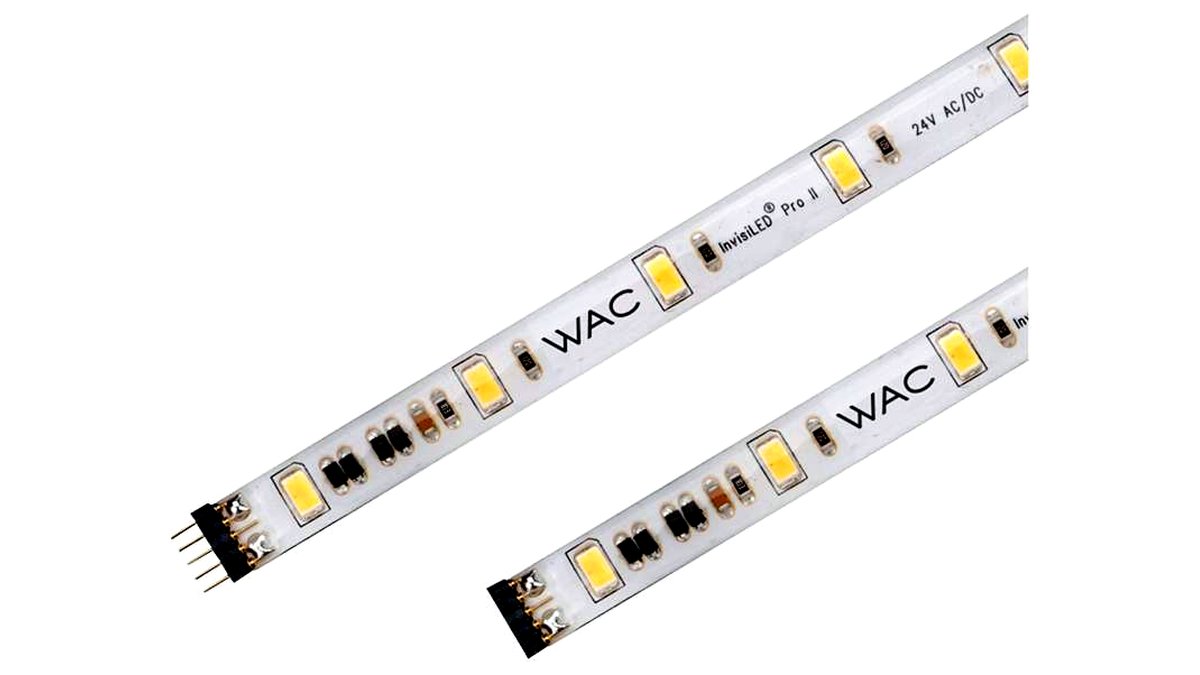
These kits generally pair a higher-density LED tape, meaning more diodes per meter for even, shadow-free light, with a slim driver designed to mount inside the cabinet above. Many are sold with inline connectors and corner pieces that let a single run wrap around cabinet corners without a visible splice. Brands commonly sold for this use include Diode LED and WAC Lighting, both of which the makers list as offering hardwired, switch-controlled options alongside plug-in versions of the same tape.
Cove and Architectural Lighting Kits
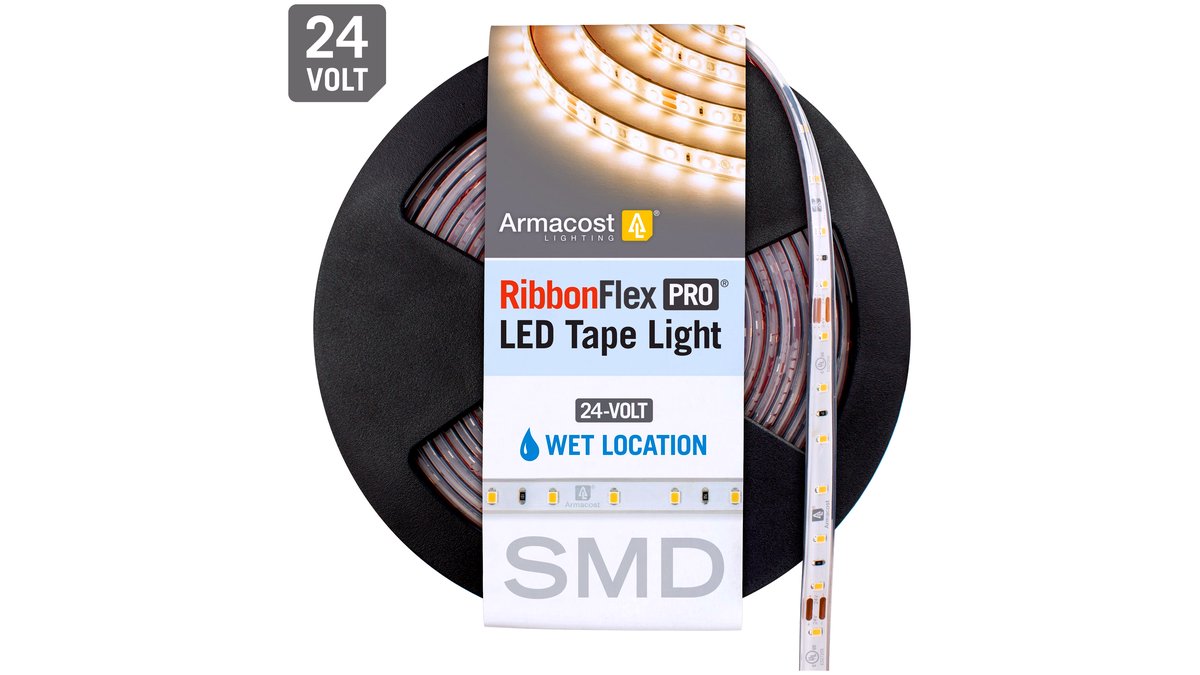
For ceiling coves, stair stringers, or other built-in architectural details, continuous-run tape with a higher IP-rated jacket (relevant where dust or occasional moisture is possible) and a remote-mounted driver are common. These installations often run longer total tape lengths than under-cabinet jobs, so checking the driver’s maximum wattage and the tape’s voltage drop over distance matters more here; manufacturers typically publish a maximum run length per driver before a second power injection point is needed.
Closet, Pantry, and Toe-Kick Kits
Smaller-scale hardwired kits, sometimes paired with a motion sensor or door switch, suit closets, pantries, and toe-kick lighting along the base of cabinetry. These generally use shorter tape runs and lower-wattage drivers than kitchen or cove projects, and some are designed to tie into an existing switched outlet box rather than requiring a brand-new circuit.
At a Glance Comparison
| Kit Type | Best For | Key Stated Specs | Limits |
|---|---|---|---|
| Under-cabinet kitchen kit | Countertop task lighting | High diode density, slim hidden driver, corner connectors | Needs cabinet depth to hide the driver and wiring |
| Cove/architectural kit | Ceiling coves, stairs, accent lines | Longer max run length, higher IP rating options | May need multiple power injection points on long runs |
| Closet/toe-kick kit | Closets, pantries, cabinet base lighting | Lower wattage driver, motion-sensor options | Limited brightness for larger or open spaces |
| Dimmable hardwired kit | Any of the above with variable brightness need | Compatible low-voltage or ELV dimmer specified by maker | Dimmer must be matched to the specific driver type to avoid flicker |
Fit, Compatibility, and Installation Notes
Voltage and driver compatibility is the first technical check: most LED tape runs on low-voltage direct current, commonly 12V or 24V, stepped down from household AC by a driver or transformer, and the tape must match the driver’s output voltage exactly. Mixing tape and drivers rated for different voltages is not interchangeable even if the physical connector fits, so buying tape and driver as a matched set, or confirming compatibility against the manufacturer’s specification sheet, avoids a strip that runs dim, flickers, or fails early.
Dimming compatibility deserves its own check. Standard household dimmers built for incandescent bulbs are generally not compatible with LED tape drivers; the driver itself needs to be rated for dimming, and the wall dimmer needs to be a type the driver maker lists as compatible, commonly an ELV (electronic low voltage) or 0-10V dimmer depending on the driver. Installing an incompatible dimmer is a common cause of flickering, humming, or a limited dimming range, so checking the driver’s documentation before selecting a dimmer switch saves a troubleshooting cycle later.
Run length and power injection matter on longer installations: LED tape experiences voltage drop over distance, which can make the far end of a long run visibly dimmer than the end near the driver. Manufacturers typically publish a maximum single-run length before recommending a second power feed partway along the strip, and ignoring this spec is a common cause of uneven brightness on cove or stair installations. IP rating is worth checking for any location near moisture, such as above a sink or in a bathroom vanity area; a higher-rated jacket resists dust and splashes better than an open, uncoated tape.
Pick X If…
| Choose This | If You… |
|---|---|
| Under-cabinet kitchen kit | Want even task lighting over a countertop controlled by a wall switch |
| Cove/architectural kit | Are lighting a ceiling cove, stair, or long architectural line |
| Closet/toe-kick kit | Need a small, simple hardwired light for a closet or cabinet base |
| Dimmable hardwired kit with ELV dimmer | Want variable brightness and already know your dimmer type |
| Plug-in tape with a hidden cord instead | Want to avoid new electrical work and can route a cord discreetly |
Alternatives Worth Considering
Buyers who want the hardwired look without new wiring sometimes use a plug-in LED tape kit routed through a cabinet’s existing outlet or a drilled pass-through hole, hiding the transformer inside the cabinet and the cord along the back panel; this sacrifices wall-switch control unless paired with a smart plug. Puck lights, small individual fixtures rather than continuous tape, are another alternative for under-cabinet lighting when the goal is simpler installation rather than a perfectly continuous light line. For anyone wanting full wall-switch and dimmer integration without any DIY electrical work, hiring an electrician to install a purpose-built low-voltage lighting system designed for the specific cabinetry is the most finished, though most expensive, route.
Driver Sizing and Future Expansion
Choosing a driver with some headroom above the tape’s immediate wattage requirement gives room to extend a run later without swapping the driver entirely. Manufacturers typically list a driver’s maximum wattage output, and running it near that ceiling continuously can shorten its working life, so many installers size a driver with extra capacity rather than matching it exactly to the initial tape length. This matters most for buyers who expect to add tape to a cove or cabinet run after the initial installation, since an undersized driver would need replacing rather than simply extending the existing wiring.
Enclosure and ventilation also deserve attention when a driver is hidden inside a cabinet or behind a cove detail. Drivers generate some heat during normal operation, and manufacturers generally specify a safe operating temperature range along with guidance on enclosed versus open-air mounting; sealing a driver into an airtight compartment with no ventilation can shorten its lifespan even if the electrical connections are otherwise correct. Leaving a small gap or vent in the enclosure, as the installation instructions typically recommend, helps the driver run within its rated range over years of use.
Frequently Asked Questions
Does hardwired LED tape lighting need to be installed by an electrician?
Any connection to household line-voltage wiring, including wiring a transformer or driver into a switched circuit, should follow local electrical code, and many jurisdictions require or strongly recommend a licensed electrician for that portion of the work. The low-voltage side, running tape from an already-installed driver, is more commonly within reach of an experienced DIY installer, so it helps to be clear about which side of the installation is being planned.
Can regular dimmers be used with LED tape lighting?
Standard incandescent dimmers are generally not compatible with LED tape drivers and can cause flickering, buzzing, or a reduced dimming range. The driver manufacturer typically lists specific compatible dimmer types, such as ELV or 0-10V, and matching the dimmer to that specification is the most reliable way to get smooth dimming.
How long can a single run of LED tape be before it needs extra power?
Maximum run length depends on the tape’s wattage per meter and the driver’s output, and manufacturers publish a specific maximum length before recommending a second power injection point to prevent dimming at the far end. Checking this figure against the planned run length, especially for cove or stair lighting, avoids uneven brightness after installation.
What IP rating is needed for kitchen or bathroom LED tape?
Areas near sinks, cooktops, or bathroom vanities benefit from a higher IP-rated tape that resists dust and occasional moisture better than a standard uncoated strip, though the exact rating needed depends on how close the tape sits to water sources. The manufacturer’s stated rating and recommended use locations should guide the choice rather than assuming all LED tape is moisture-resistant.
Why does my LED tape look dimmer at one end of a long run?
This is typically voltage drop, a normal electrical effect where the strip loses some voltage over distance from the power source, becoming more noticeable on longer runs or lower-gauge wiring. Using a shorter run, a higher-voltage tape and driver combination, or adding a second power injection point partway along the run are the usual fixes manufacturers recommend.
Can hardwired LED tape be connected to an existing light switch?
In many cases yes, if a compatible driver is wired into the switched circuit that currently controls another fixture, though this still involves working with household wiring and should follow local code and, where required, a licensed electrician. The driver’s dimming compatibility should also be checked against the existing switch if it is a dimmer rather than a simple on/off switch.