Key takeaways
- Portable heat/cool AC units: No permanent window installation (though they still need a vent hose routed outside), which suits renters or anyone wanting to move the unit between rooms.
- Ductless mini-split heat pump: A more efficient, quieter option for year-round single-room comfort, at a higher upfront cost and with professional installation generally required.
- Separate space heater plus cooling-only window AC: Splitting the two functions can sometimes cost less upfront and gives more heating flexibility, at the cost of needing and storing two appliances.
A buyer heating and cooling one bedroom or small room year-round is best served by a compact heat/cool window unit sized to that room’s square footage, while a buyer in a climate with harsh winters needs to check whether the unit relies on electric-resistance heat or a heat-pump mode, since heat-pump efficiency drops sharply once outdoor temperatures fall well below freezing.
As an Amazon Associate, we earn from qualifying purchases made through links on this page.
How Heat/Cool Window Units Actually Heat a Room
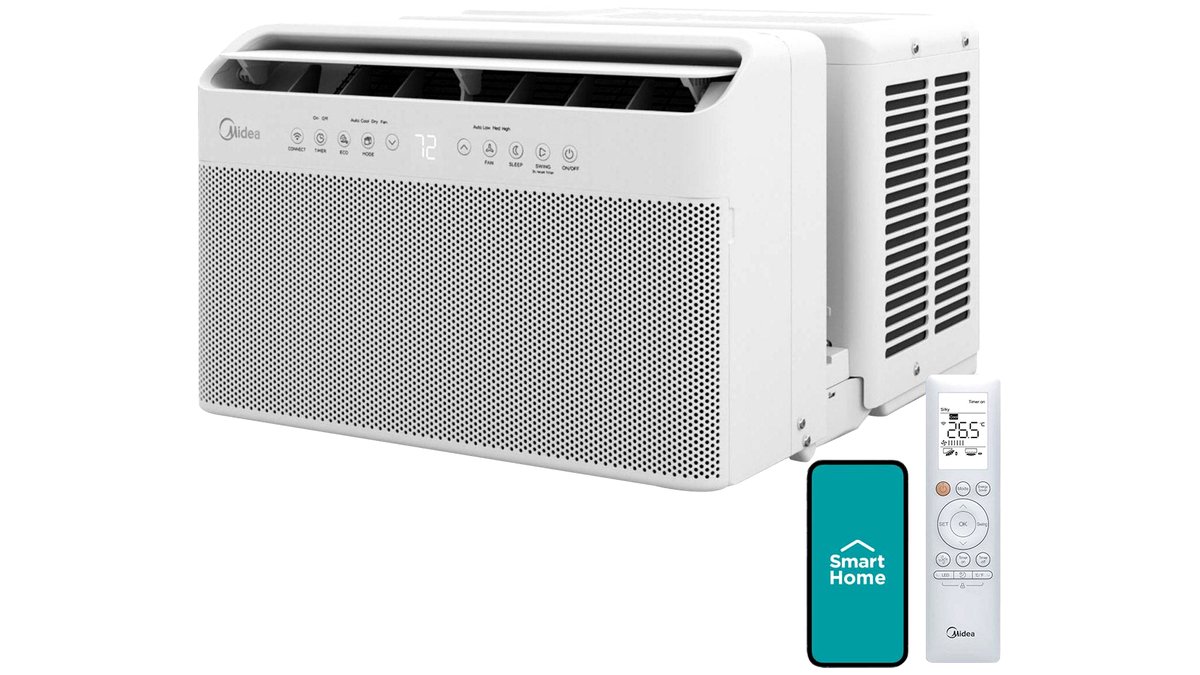
Most combination heat/cool window air conditioners use one of two heating methods. Heat-pump models reverse the same refrigerant cycle used for cooling to pull heat from outside air into the room, which is efficient in mild-to-cool weather but loses effectiveness as outdoor temperature drops toward freezing and below, similar to how a heat pump for a whole house behaves. Electric-resistance heating models use a heating element, similar to a space heater, which stays consistently effective regardless of outdoor temperature but generally costs more to run per hour of heat produced. Checking which heating method a specific model uses, rather than assuming “heat/cool” always means a heat pump, matters most for buyers in colder climates.
Sizing: BTUs and Square Footage
Window units are rated in BTUs (British Thermal Units) for cooling capacity, and makers and energy guides publish general room-size ranges for each BTU tier, though ceiling height, sun exposure, insulation quality, and local climate all shift the right size up or down from a generic chart. An undersized unit will run constantly without reaching a comfortable temperature and will struggle more noticeably in heating mode during cold weather, while an oversized unit cools too quickly without adequately removing humidity, leaving a room feeling clammy even at the target temperature. Manufacturers’ own sizing guides, which factor in room dimensions and sometimes sun exposure, are a better starting point than a rough square-footage rule of thumb alone.
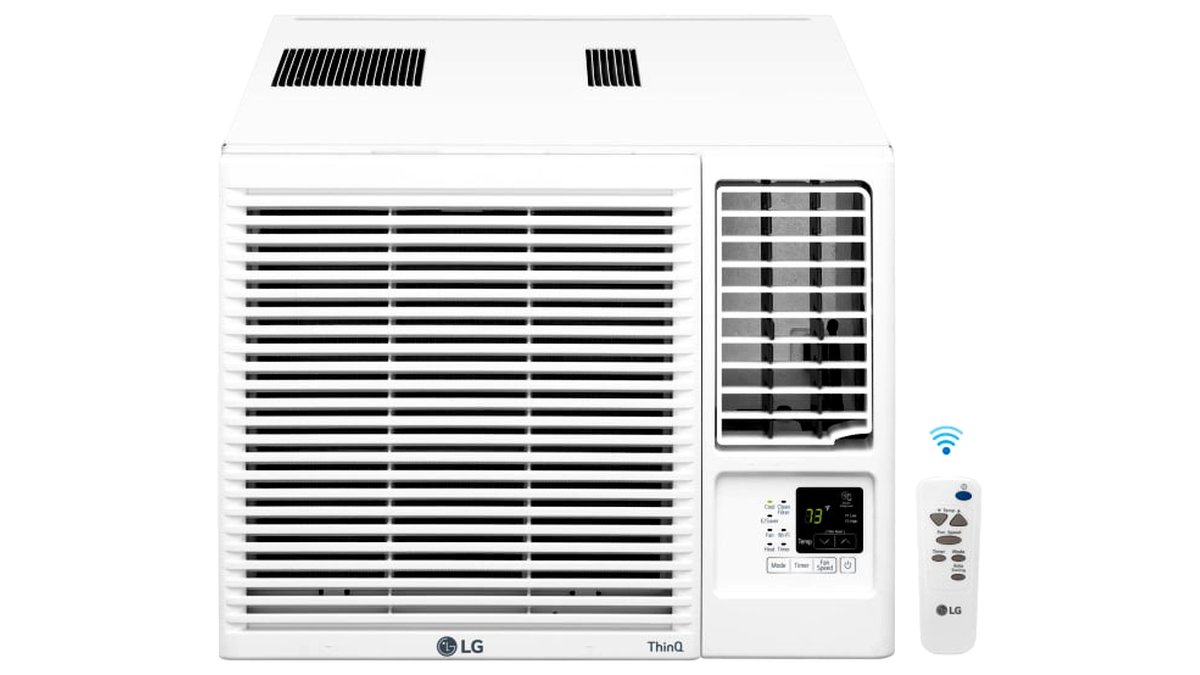
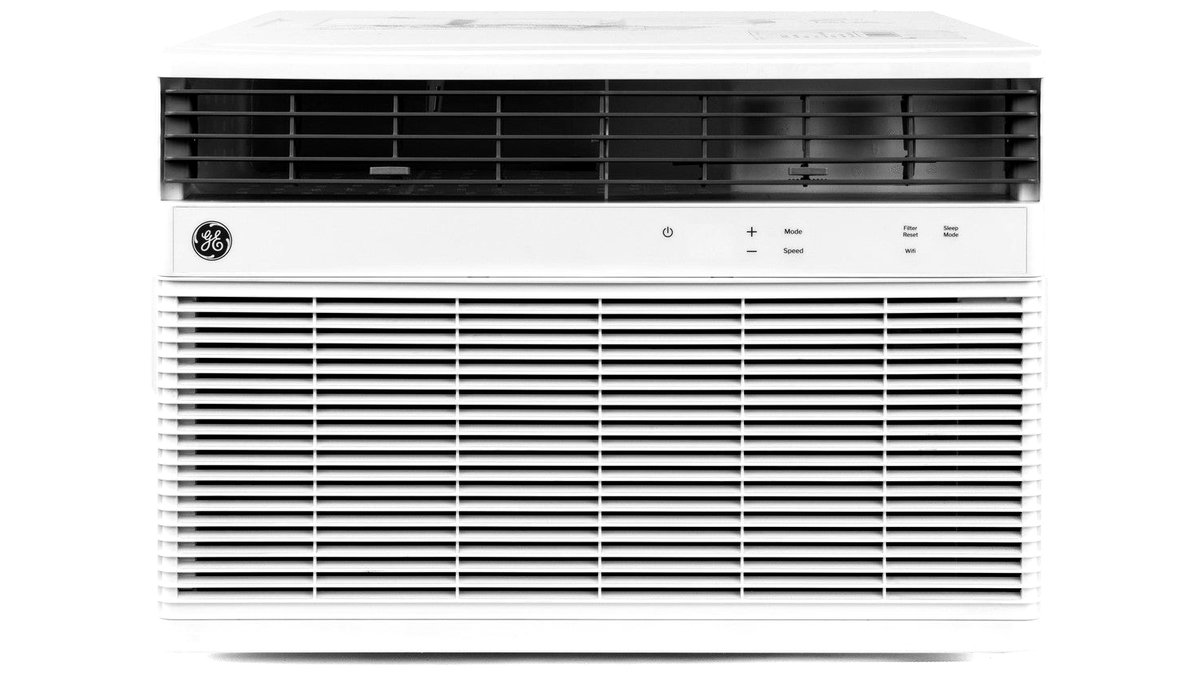
At a Glance: Heat/Cool Window Unit Types
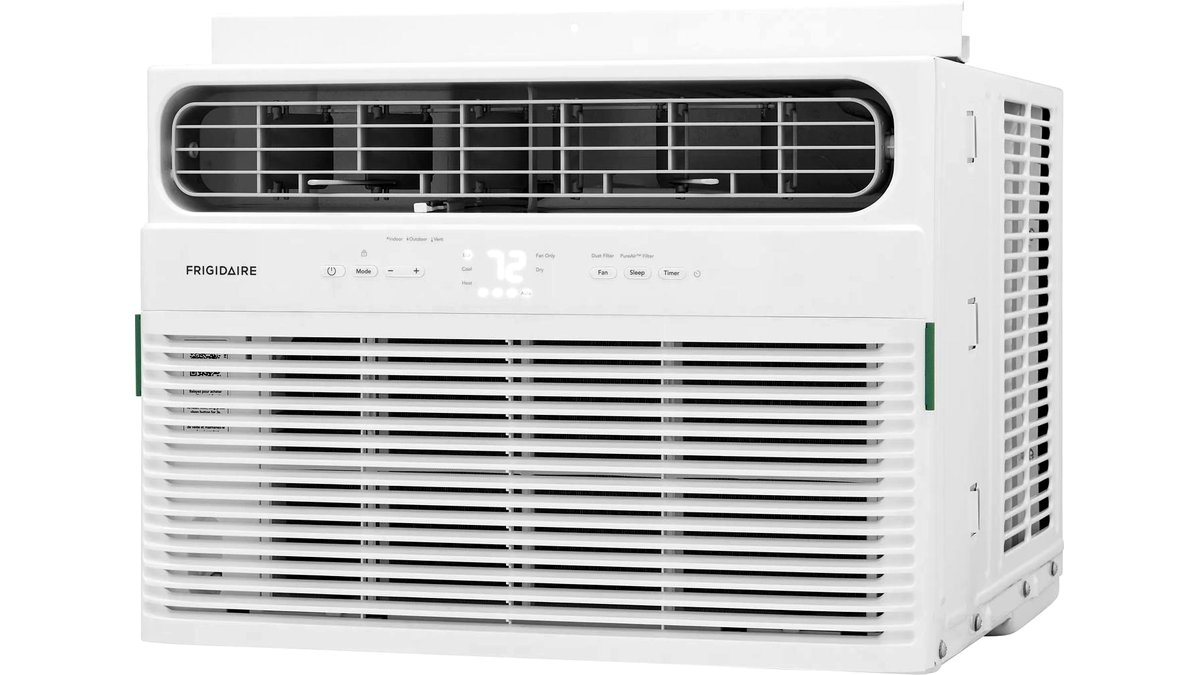
| Type | Best for | Key stated specs | Limits |
|---|---|---|---|
| Heat-pump window unit (small-mid BTU) | Mild-to-moderate climates, year-round single-room comfort | Reversible refrigerant cycle, cooling + heating in one unit | Heating efficiency drops as outdoor temperature falls toward and below freezing |
| Electric-resistance heat/cool window unit | Colder climates needing reliable heat regardless of outdoor temperature | Built-in heating element plus standard AC cooling | Generally higher electricity cost per hour of heat than a heat pump in mild weather |
| Smart/Wi-Fi-enabled window unit | Buyers wanting app or voice control and scheduling | App connectivity, scheduling, sometimes voice assistant support | Added cost; smart features depend on home Wi-Fi reliability |
| Through-the-wall heat/cool unit | Permanent installations without an openable window, or rental units with a wall sleeve | Fits a wall sleeve rather than a window frame | Requires existing wall sleeve or professional installation to add one |
| Cooling-only window unit (for comparison) | Buyers who already have separate heating and just need cooling | Standard AC cycle, no heating mode | No heating function at all; not a direct substitute for this search |
Climate Fit: When a Heat Pump Window Unit Makes Sense
In regions with mild winters where temperatures rarely drop much below the mid-30s Fahrenheit, a heat-pump window unit can reasonably handle both seasons from one appliance, often more efficiently than resistance heat for most of the heating season. In regions with regular hard freezes or extended sub-freezing stretches, a heat-pump window unit’s heating output and efficiency typically fall off enough that many buyers end up supplementing with a space heater or primary furnace anyway, which makes an electric-resistance model, or treating the window unit as supplemental rather than primary heat, a more realistic expectation. Checking the specific unit’s stated minimum effective operating temperature for heating mode, when the maker publishes one, gives a clearer picture than assuming all “heat/cool” units behave the same in cold weather.
Installation and Window Fit Notes
These units are heavier than cooling-only models of similar BTU rating because they contain additional heating components, which matters for double-hung window sash strength and for anyone installing or removing the unit seasonally without help. Most are designed for standard double-hung windows with an adjustable side-panel kit, but sliding or casement windows often need a different mounting approach or may not accommodate a standard window unit at all; checking the maker’s listed compatible window types avoids a unit that cannot be installed. A secure bracket or support, especially for units installed above ground level, is important since the added weight increases the consequences of an improperly supported installation.
Pick-X-If Decision Table
| Situation | Pick this type |
|---|---|
| Mild winter climate, want one unit for both seasons | Heat-pump window unit sized to the room |
| Cold winter climate, need reliable heat regardless of outdoor temperature | Electric-resistance heat/cool window unit |
| Want scheduling or remote control via phone | Smart/Wi-Fi-enabled heat/cool window unit |
| No standard window, or a rental with an existing wall sleeve | Through-the-wall heat/cool unit matched to that sleeve |
| Already have separate heating and only need cooling | A cooling-only unit instead, which is simpler and often less costly to run |
Energy Use and Running Cost Notes
Energy Star or similar efficiency-program ratings, where listed, give a comparative efficiency baseline between models, though actual running cost depends heavily on local electricity rates, climate, and how well the room is insulated. Heating mode on a resistance-heat unit generally draws meaningfully more power than cooling mode on the same unit, so buyers planning to rely on a window unit as a significant part of winter heating should factor that into expected electricity costs rather than assuming heating and cooling draw similar power.
Alternatives Worth Comparing
- Portable heat/cool AC units: No permanent window installation (though they still need a vent hose routed outside), which suits renters or anyone wanting to move the unit between rooms.
- Ductless mini-split heat pump: A more efficient, quieter option for year-round single-room comfort, at a higher upfront cost and with professional installation generally required.
- Separate space heater plus cooling-only window AC: Splitting the two functions can sometimes cost less upfront and gives more heating flexibility, at the cost of needing and storing two appliances.
Frequently Asked Questions
Will a heat/cool window unit keep a room warm in freezing weather?
It depends on the heating method: a heat-pump model’s heating output and efficiency typically decline as outdoor temperature drops toward and below freezing, while an electric-resistance model keeps producing consistent heat regardless of outdoor temperature. Checking which heating type a specific unit uses is the key factor for cold-climate buyers.
What size unit do I need for a bedroom?
Sizing depends on square footage, ceiling height, insulation, and sun exposure, so the manufacturer’s own sizing chart for a specific unit is a better guide than a generic rule of thumb. An undersized unit struggles to maintain temperature, while an oversized one can leave the room feeling damp even when it reaches the target temperature.
Can I install a heat/cool window unit in any window?
Most are designed for standard double-hung windows with adjustable side panels; sliding or casement windows often need different hardware or may not fit a standard unit at all. Checking the maker’s listed compatible window types before buying avoids an installation problem.
Do these units need an electrician to install?
Most plug into a standard household outlet, though higher-BTU units sometimes require a dedicated circuit or a specific outlet type per the manufacturer’s manual. Checking the unit’s electrical requirements against the home’s existing outlet and circuit before buying avoids needing electrical work after purchase.
Is heating mode more expensive to run than cooling mode?
On electric-resistance heat models, heating mode generally draws more power than cooling mode for a comparable temperature change, since resistance heating is less efficient than a refrigerant-based cooling cycle. Heat-pump models can be more efficient than resistance heat in mild weather, though that efficiency narrows as outdoor temperature drops.
How do I maintain a heat/cool window unit between seasons?
Following the manufacturer’s manual, this typically includes regularly cleaning or replacing the air filter, checking the drain path for the condensate the unit produces, and inspecting the window seal and support bracket before each heating or cooling season begins. Units left in place year-round benefit from a seasonal cover or cleaning to reduce drafts and debris buildup when not in active use.