Key takeaways
- Bowl height and capacity: True Bordeaux glasses run on the taller side with generous capacity (commonly in the 20 to 29 ounce range before filling), giving enough headspace to swirl without spilling.
- Rim diameter and taper: A narrower rim relative to the bowl’s widest point helps concentrate aromas; compare the taper across sets if aroma concentration matters to you.
- Material: crystal vs glass: Lead-free crystal is typically thinner walled and more transparent, which many enthusiasts feel enhances both visual presentation and mouthfeel, while soda-lime glass is heavier, more affordable, and generally more dishwasher-durable.
- Stem style: Traditional long-stemmed glasses keep hand heat away from the bowl and are the standard choice for red wine service; stemless versions trade that for drop resistance and easier storage.
- Set size and replacement availability: Check whether the maker sells individual replacement glasses, since stemware breakage is common and buying into a line with open stock saves having to replace an entire set.
- Dishwasher and care instructions: Hand-wash-only crystal needs more careful handling; some crystal lines are maker-rated as dishwasher safe, but confirm this on the specific product rather than assuming.
Bordeaux wine glasses with a tall bowl and narrower opening suit drinkers of full-bodied red blends like Cabernet Sauvignon and Merlot, while a set with a slightly shorter, broader bowl suits anyone who wants one glass shape to double for other medium- to full-bodied reds; the right pick depends mostly on bowl height, rim width, and whether you want crystal clarity or everyday durability.
As an Amazon Associate, we earn from qualifying purchases made through links on this page.
What Makes a Glass a “Bordeaux” Glass
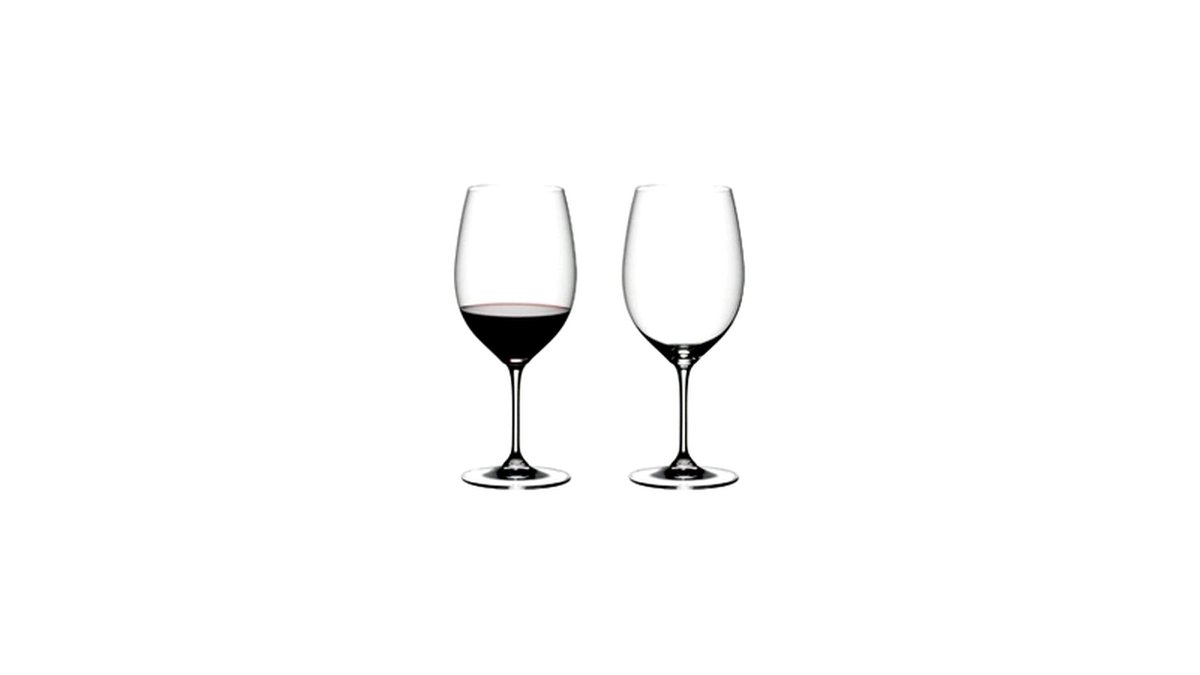
The Bordeaux shape is one of the taller, larger-bowled styles in a standard wine glass lineup, designed to direct wine toward the back and center of the tongue and to hold a bigger volume of air above the wine for aeration. Because Bordeaux blends are typically higher in tannin, the larger bowl and the way the shape channels wine are intended to soften the perception of tannin and let aromatics develop before each sip. This differs from a Burgundy glass, which tends to have an even wider, rounder bowl for more delicate, aromatic reds, and from a standard all-purpose red wine glass, which splits the difference for everyday drinking.
What to Look For Before Buying
- Bowl height and capacity: True Bordeaux glasses run on the taller side with generous capacity (commonly in the 20 to 29 ounce range before filling), giving enough headspace to swirl without spilling.
- Rim diameter and taper: A narrower rim relative to the bowl’s widest point helps concentrate aromas; compare the taper across sets if aroma concentration matters to you.
- Material: crystal vs glass: Lead-free crystal is typically thinner walled and more transparent, which many enthusiasts feel enhances both visual presentation and mouthfeel, while soda-lime glass is heavier, more affordable, and generally more dishwasher-durable.
- Stem style: Traditional long-stemmed glasses keep hand heat away from the bowl and are the standard choice for red wine service; stemless versions trade that for drop resistance and easier storage.
- Set size and replacement availability: Check whether the maker sells individual replacement glasses, since stemware breakage is common and buying into a line with open stock saves having to replace an entire set.
- Dishwasher and care instructions: Hand-wash-only crystal needs more careful handling; some crystal lines are maker-rated as dishwasher safe, but confirm this on the specific product rather than assuming.
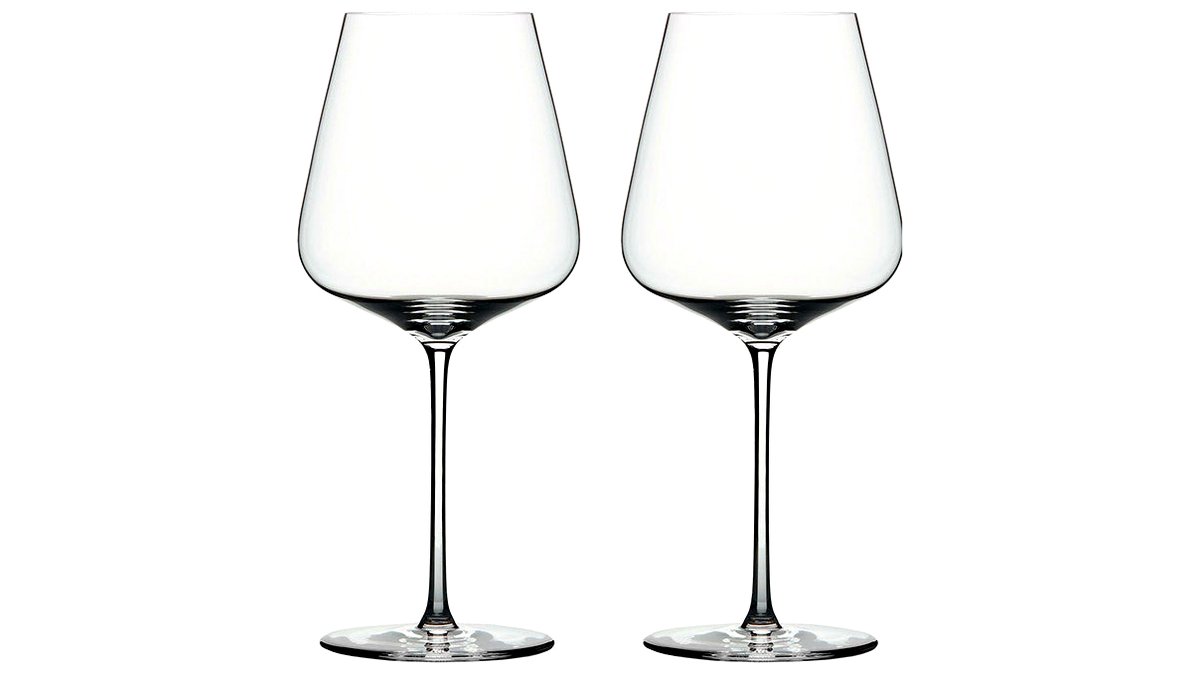
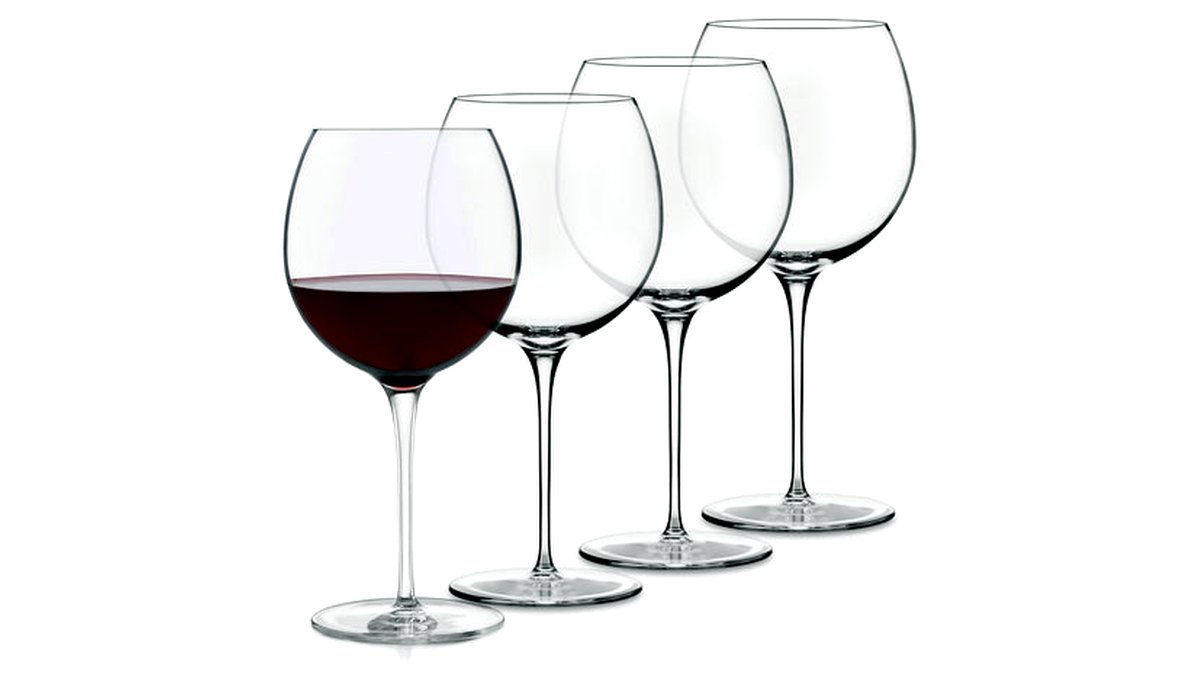
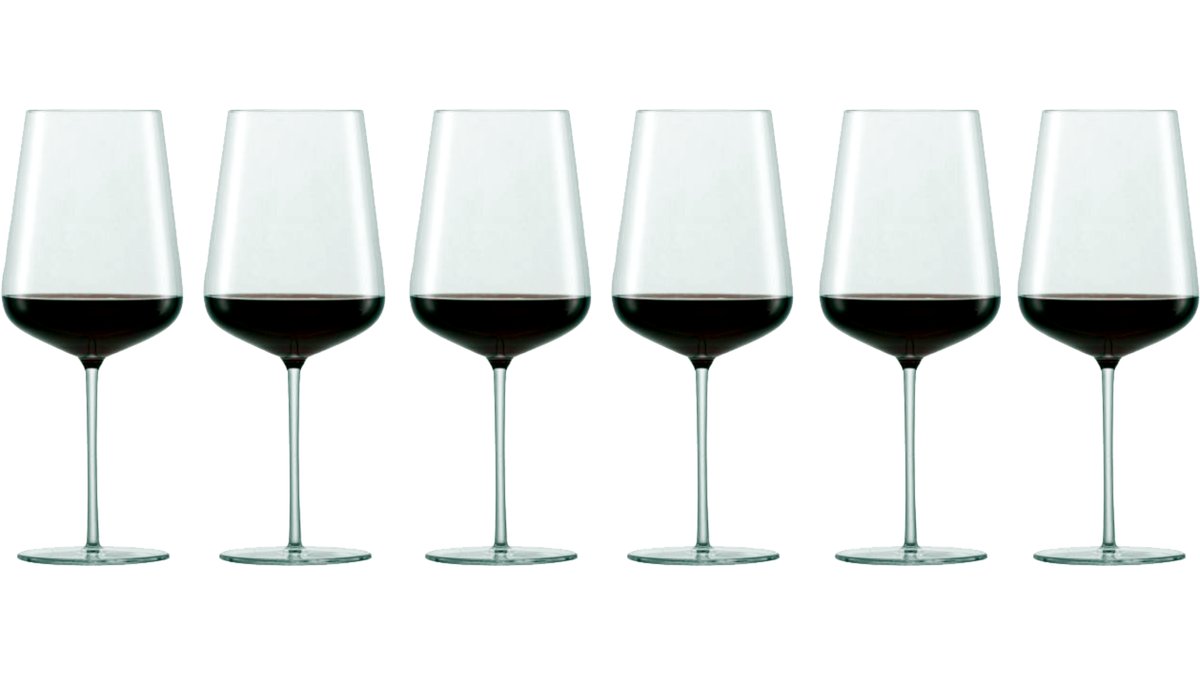
At a Glance: Bordeaux Glass Styles
| Style | Best For | Key Stated Specs | Limits |
|---|---|---|---|
| Lead-free crystal Bordeaux glass | Enthusiasts who want maximum clarity and a refined feel for everyday or special-occasion use | Thin-walled lead-free crystal; tall bowl; maker-stated capacity typically in the mid-to-upper 20-ounce range | More fragile than standard glass; often hand-wash recommended; premium price tier |
| Standard soda-lime glass Bordeaux glass | Everyday use, larger households, dinner parties with breakage risk | Heavier wall thickness; similar tall-bowl shape at a lower price point | Less clarity and thinner-rim feel than crystal; bowl shape sometimes simplified versus true Bordeaux proportions |
| Stemless Bordeaux-shaped glass | Casual settings, outdoor use, households worried about tipped stems | Same bowl shape without a stem; often marketed as more shatter-resistant | Hand warmth transfers to the wine faster; loses traditional stemware presentation |
| Universal/all-purpose large-bowl red glass | Buyers who want one shape for multiple red varietals, not just Bordeaux blends | Bowl shape between Bordeaux and Burgundy proportions; moderate capacity | Not optimized specifically for Bordeaux blends; a compromise shape |
Pick X If…
| Choose This | If You… |
|---|---|
| Lead-free crystal Bordeaux glass | Mainly drink Cabernet-style blends and want the closest match to the traditional shape |
| Standard glass Bordeaux-shaped glass | Need a durable, affordable set for frequent entertaining |
| Stemless version | Want lower breakage risk for outdoor dining or households with kids and pets |
| Universal large-bowl red glass | Drink a mix of red varietals and don’t want a separate shape for each one |
Sizing, Care, and Storage Notes
Because Bordeaux glasses are among the taller styles in a stemware collection, measure cabinet shelf height before buying a set, especially for crystal glasses with tall stems that can be more prone to tipping in a shallow cabinet. Fill levels matter too: most etiquette guides suggest filling a large Bordeaux bowl only to about a third full, which leaves room to swirl and aerate the wine without spilling, so the glass’s generous capacity is about headspace, not serving size.
For care, hand-washing with warm water and no detergent residue is the safest approach for thin-walled crystal, since dishwasher detergent and hard water can cause cloudiness (sometimes called glass sickness) over repeated cycles even on dishwasher-safe-rated products. Standard soda-lime glass sets tolerate dishwasher use better in general, but check the specific product listing for the maker’s stated care instructions before deciding.
Alternatives Worth Considering
- Burgundy-style wine glasses: A wider, rounder bowl better suited to Pinot Noir and other lighter, more aromatic reds, worth adding alongside Bordeaux glasses if your collection spans both styles.
- Universal wine glass sets: One shape designed to work reasonably well across reds and whites, a practical choice for smaller kitchens or casual drinkers who don’t want multiple glass shapes.
- Decanter plus simpler stemware: Pairing a quality decanter with a more basic glass shape can aerate a young, tannic Bordeaux blend before pouring, shifting some of the aeration job away from the glass shape itself.
Glass Count and Budget Tiers
Bordeaux glasses are sold across a wide span of price tiers, from budget soda-lime sets meant for everyday durability to premium hand-finished crystal aimed at collectors and serious enthusiasts. A mid-range crystal set often balances clarity and feel against a more reasonable per-glass cost, while entry-level sets prioritize breakage tolerance and dishwasher convenience over the thinnest possible rim. Premium tiers sometimes add hand-cut detailing, a signed base, or a maker’s specific proprietary bowl geometry, which can matter to a dedicated collector but adds little functional benefit for casual home use.
When comparing tiers, weigh how often you entertain and how carefully glasses are typically handled in your household. A larger household with frequent breakage risk may get more practical value from a mid-range glass bought in greater quantity than from a smaller set of top-tier crystal that needs to be replaced piece by piece at a higher per-glass cost.
Frequently Asked Questions
What is the main difference between a Bordeaux glass and a Burgundy glass?
A Bordeaux glass has a taller, narrower bowl designed for fuller-bodied, higher-tannin reds, directing the wine toward the back of the tongue. A Burgundy glass has a wider, rounder bowl meant for more delicate, aromatic reds, directing wine across more of the tongue’s surface; the two shapes are built around different wine styles rather than one being universally “better.”
Do Bordeaux glasses actually change how the wine tastes?
Many sommeliers and glassware makers report that bowl shape and rim diameter influence how wine’s aroma and first point of contact on the tongue are perceived, which can affect perceived tannin and fruit balance. That said, this is a subjective sensory effect rather than a measurable chemical change in the wine, and personal preference plays a large role in how much difference someone notices.
Is crystal stemware worth the extra cost over regular glass?
Crystal’s thinner walls and higher clarity are generally considered to improve the visual and tactile experience of drinking wine, which is why many enthusiasts prefer it for special occasions. For everyday use or households with higher breakage risk, standard glass Bordeaux-shaped stemware offers most of the functional shape benefit at a lower cost and with easier replacement.
How many Bordeaux glasses should I buy for a dinner party?
This depends entirely on your guest count and whether you plan to serve more than one red wine style in an evening; many hosts keep a set of 8 to 12 as a baseline for entertaining. Buying into an open-stock line, where single replacement glasses are sold separately, makes it easier to grow a set over time without rebuying everything at once.
Can I use a Bordeaux glass for white wine?
You can, since nothing prevents pouring white wine into any glass shape, but the tall, large bowl is optimized for red wine aeration and is not typically recommended for whites, which are usually served in smaller-bowled glasses to preserve chill and concentrate more delicate aromatics. If you want one glass for both, a universal all-purpose shape is a more practical compromise.
Why do my crystal Bordeaux glasses look cloudy after dishwasher use?
Cloudiness, sometimes called glass sickness, is commonly linked to mineral deposits from hard water or detergent residue etching into the glass surface over repeated dishwasher cycles. Hand-washing with a mild, residue-free method is the approach most glassware makers and reviewers recommend to avoid this, even on products labeled dishwasher safe.