Key takeaways
- Shell and liner construction. Entry-level helmets typically use a single-density foam liner, while higher tiers layer multiple foam densities (or add engineered materials) to manage both low- and high-force impacts.
- Fit adjustment system. Dial/ratchet adjusters allow finer, tool-free sizing changes than fixed shell sizes with foam inserts, which matters for players still growing or sharing gear.
- Ventilation. More vents help with heat in long practices but can be a tradeoff against protection in some budget designs; premium helmets generally manage both simultaneously through shell engineering.
- Cage, visor, or shield compatibility. Youth and most amateur leagues require a full cage or shield; the helmet’s attachment hardware needs to match the chosen face protection, so compatibility (not just the helmet alone) should be checked.
- Weight. Lighter helmets reduce neck fatigue over a game, which matters more for goalies and players logging heavy ice time.
Youth recreational skaters, competitive travel/club players, and adult beer-league or pond-hockey players each need a different certification tier, fit, and feature set from a hockey helmet, so the right pick depends mainly on level of play and budget rather than one single “best” model. Here is how the main helmet categories differ and who each one suits.
As an Amazon Associate, we earn from qualifying purchases made through links on this page.
What Actually Matters in a Hockey Helmet
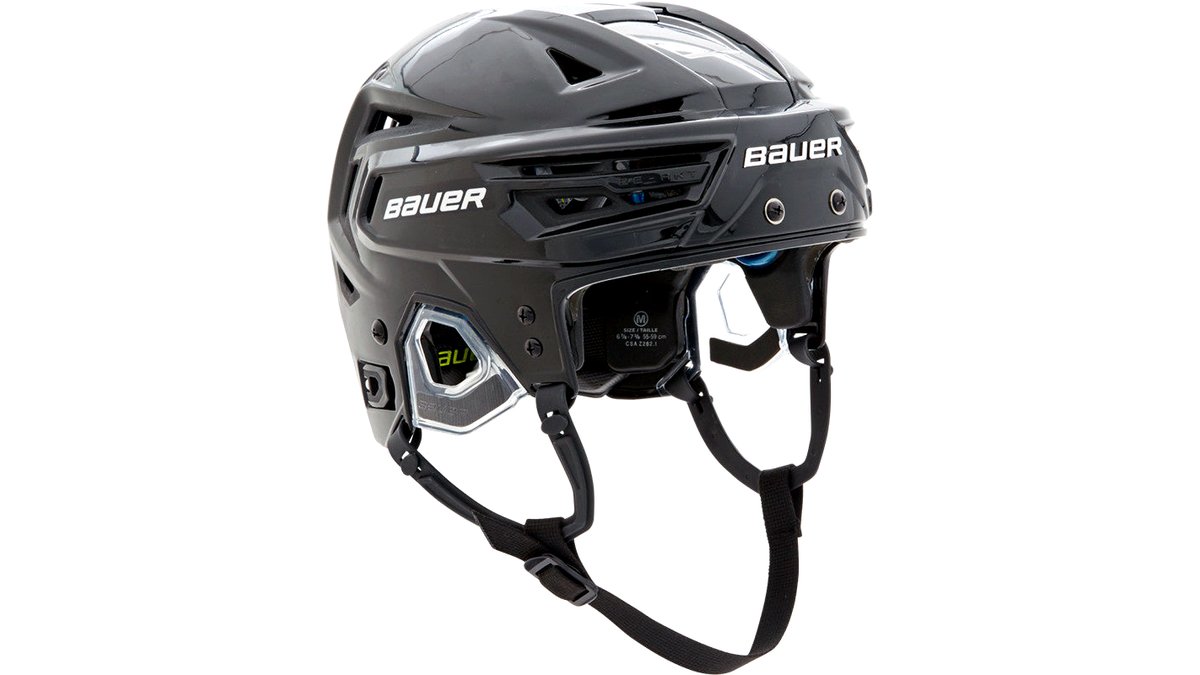
Unlike general sports helmets, hockey helmets sold for organized play must meet specific certification standards (commonly HECC/ASTM in the US and CSA in Canada), and a helmet without the appropriate certification sticker generally cannot be used in sanctioned leagues. Beyond certification, a few factors separate helmet tiers:
- Shell and liner construction. Entry-level helmets typically use a single-density foam liner, while higher tiers layer multiple foam densities (or add engineered materials) to manage both low- and high-force impacts.
- Fit adjustment system. Dial/ratchet adjusters allow finer, tool-free sizing changes than fixed shell sizes with foam inserts, which matters for players still growing or sharing gear.
- Ventilation. More vents help with heat in long practices but can be a tradeoff against protection in some budget designs; premium helmets generally manage both simultaneously through shell engineering.
- Cage, visor, or shield compatibility. Youth and most amateur leagues require a full cage or shield; the helmet’s attachment hardware needs to match the chosen face protection, so compatibility (not just the helmet alone) should be checked.
- Weight. Lighter helmets reduce neck fatigue over a game, which matters more for goalies and players logging heavy ice time.
Helmet Types and Who They Suit
Entry-Level Youth/Recreational Helmets
Built around simpler single-density foam and basic fixed or minimal-adjustment shells, these suit first-time skaters, learn-to-play programs, and casual rec-league players where budget matters more than marginal protective gains. They still carry the required certification for organized play but trade some of the fit refinement and multi-impact liner technology found in higher tiers.
Mid-Tier Competitive Helmets
This is the most common tier for travel and club teams, pairing a dual-density or layered foam liner with a dial-adjustable fit system and moderate ventilation. These balance cost against the better impact management and more precise fit that growing or competitive players benefit from.
Premium/Pro-Level Helmets
Used by many higher-level junior, college, and professional players, these typically combine advanced liner engineering (sometimes including rotational-impact-focused technology), lighter shell materials, and more adjustment precision. The protective gains are real but incremental over mid-tier helmets for most recreational or even competitive amateur players, and the price reflects that engineering.
Goalie-Specific Helmets
Goalie helmets (or goalie masks/cages combined) are built differently from skater helmets, generally with more coverage around the jaw and temple and a cage designed to stop a shot at close range rather than deflect general contact. A skater helmet should not be substituted for goalie use even if it fits, since the certification and impact zones differ.
Multi-Sport or Combo Helmets
Some entry-level helmets are marketed for both hockey and multi-sport use (e.g., hockey/lacrosse crossover); these are worth checking carefully for hockey-specific certification, since a helmet certified for one sport is not automatically valid for organized hockey play.
| Type | Best For | Key Stated Specs | Limits |
|---|---|---|---|
| Entry-level youth/rec | First-time or casual players, tight budgets | Single-density foam, basic cert (HECC/CSA) | Less fit precision, fewer liner technologies |
| Mid-tier competitive | Travel/club teams, growing players | Dual-density liner, dial-fit adjuster | Not as light or advanced as pro-tier shells |
| Premium/pro-level | High-level competitive and pro players | Advanced multi-layer liner, lighter shell | Higher cost for incremental gains at amateur level |
| Goalie-specific | Goaltenders only | Extended jaw/temple coverage, goalie-rated cage | Not interchangeable with skater helmets |
| Multi-sport combo | Casual players splitting time across sports | Dual-sport marketing, varies by model | Must confirm hockey-specific certification |
Fit and Sizing Notes
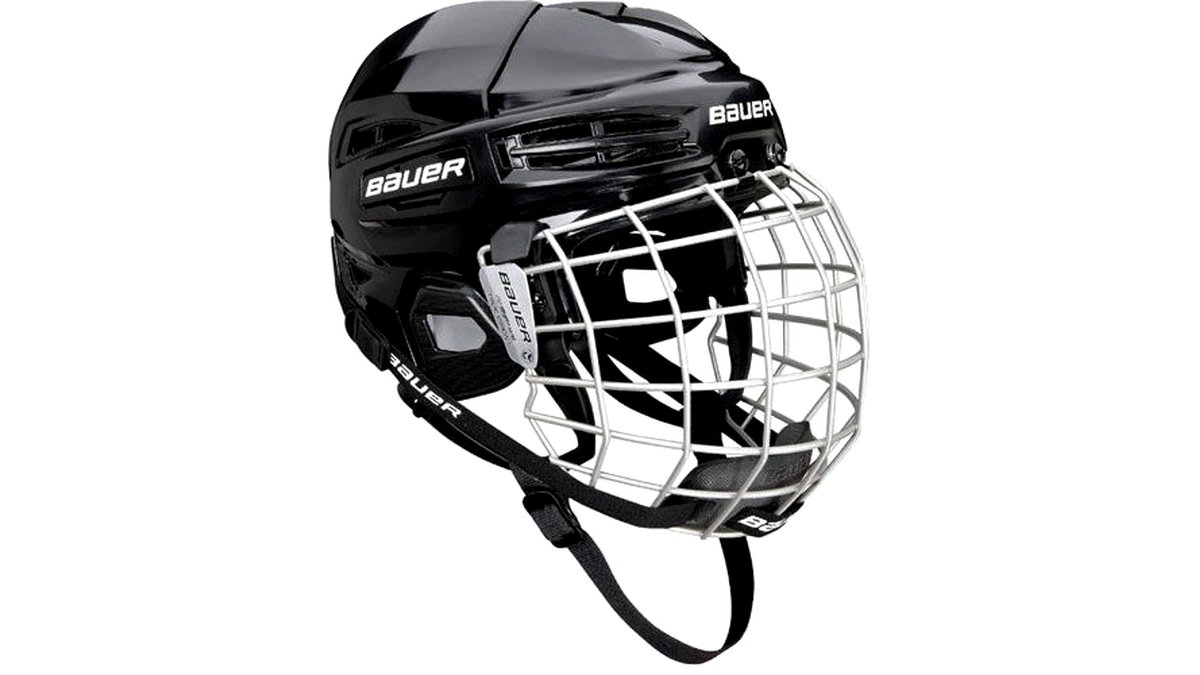
A hockey helmet should sit level on the head, roughly a finger-width above the eyebrows, with the chin strap snug enough that the helmet does not shift or rock when shaken side to side. Most helmets come in multiple shell sizes (small/medium/large or numeric ranges) plus an internal dial or foam-pad adjustment within each shell size, so checking the maker’s head-circumference chart before buying is more reliable than matching to age alone. Youth players growing quickly often benefit from a dial-adjustable helmet that can be resized over a season or two, rather than a fixed-foam helmet that needs replacing sooner. A cage or shield should attach using the clips or screws the helmet maker specifies; mismatched hardware between brands can leave a gap in protection even if it physically fits.
Pick This If…
| Situation | Pick |
|---|---|
| Brand-new skater, budget-conscious, rec league only | An entry-level certified youth/rec helmet |
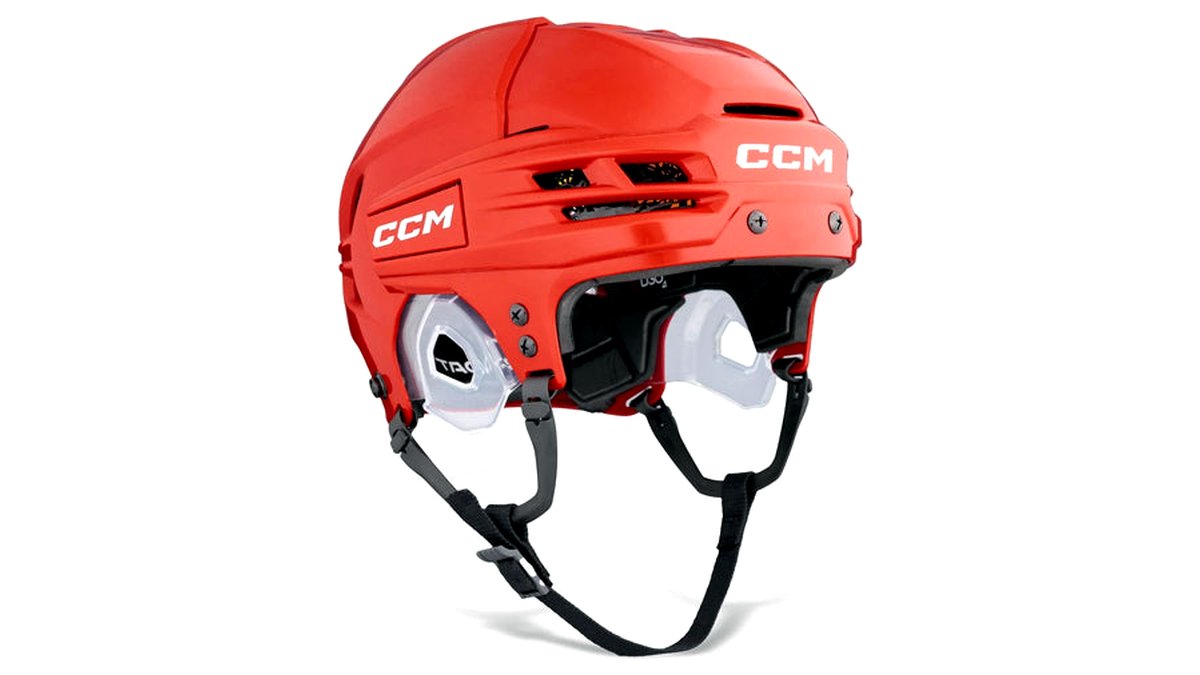
| Playing competitive travel or club hockey | A mid-tier helmet with dial-fit and layered foam |
| High-level competitive or aiming for junior/college play | A premium helmet with advanced liner technology |
| Playing goaltender | A goalie-specific helmet and cage combination |
| Child still growing quickly between seasons | A dial-adjustable helmet sized with room to extend |
Alternatives and Related Gear
- Helmet + cage sold separately: buying the shell and the facial protection as separate pieces allows mixing a preferred helmet brand with a different cage or shield brand, as long as attachment compatibility is confirmed.
- Visor-only helmets: half-shields instead of full cages, generally only permitted at higher amateur and adult levels, not for most youth leagues.
- Replacement liners and pads: rather than replacing an entire helmet after it’s outgrown or worn, some models support replacement foam liner kits, which can extend usable life if the shell itself is undamaged.
Frequently Asked Questions
How often should a hockey helmet be replaced?
Most manufacturers recommend replacing a helmet after any hard impact that visibly cracks or deforms the shell or liner, and many also suggest a general replacement window (often cited around five to ten years) even without a specific incident, since foam liners degrade with age and repeated minor impacts. Checking the manufacture date stamped inside the shell against the maker’s own guidance is more reliable than guessing by appearance alone.
Does a more expensive helmet mean meaningfully better protection?
Higher-tier helmets generally add liner technologies aimed at a broader range of impact types, including rotational forces, which independent safety-testing organizations have reported can matter for concussion risk. For recreational and most youth play, a properly certified and well-fitted mid-tier helmet still meets the same baseline safety standard as a premium one; the added cost buys incremental, not categorical, protection differences.
Can a used or hand-me-down helmet be safely reused?
A used helmet can be reused if it has no visible shell cracks, the liner foam isn’t crushed or deteriorated, and it’s within a reasonable age from manufacture, but any helmet with unknown impact history carries some uncertainty about hidden liner damage. Many youth hockey organizations recommend against reusing a helmet that has taken a significant hit, even if it looks fine externally.
Why does my child’s helmet need a specific certification sticker?
Organized leagues generally require helmets to carry a current certification sticker (such as HECC in the US or CSA in Canada) confirming the helmet passed standardized impact testing; without it, a player may not be allowed to participate in games. Certification stickers typically have an expiration or recertification date, so checking that the sticker is current, not just present, matters.
What’s the difference between a hockey cage and a hockey shield/visor?
A cage is a full wire grille covering the whole face, generally required at youth and junior levels, while a shield or visor is a clear plastic panel covering part or all of the face, typically permitted only at higher amateur or adult levels depending on league rules. Checking the specific league’s facial-protection rule before buying avoids purchasing equipment that isn’t allowed for a given division.
How tight should the chin strap be?
The strap should be snug enough that one or two fingers fit between the strap and the chin, and the helmet should not rock or shift when the head is turned or shaken. A strap that’s too loose defeats much of the helmet’s protective positioning even if the shell itself is properly sized.