Key takeaways
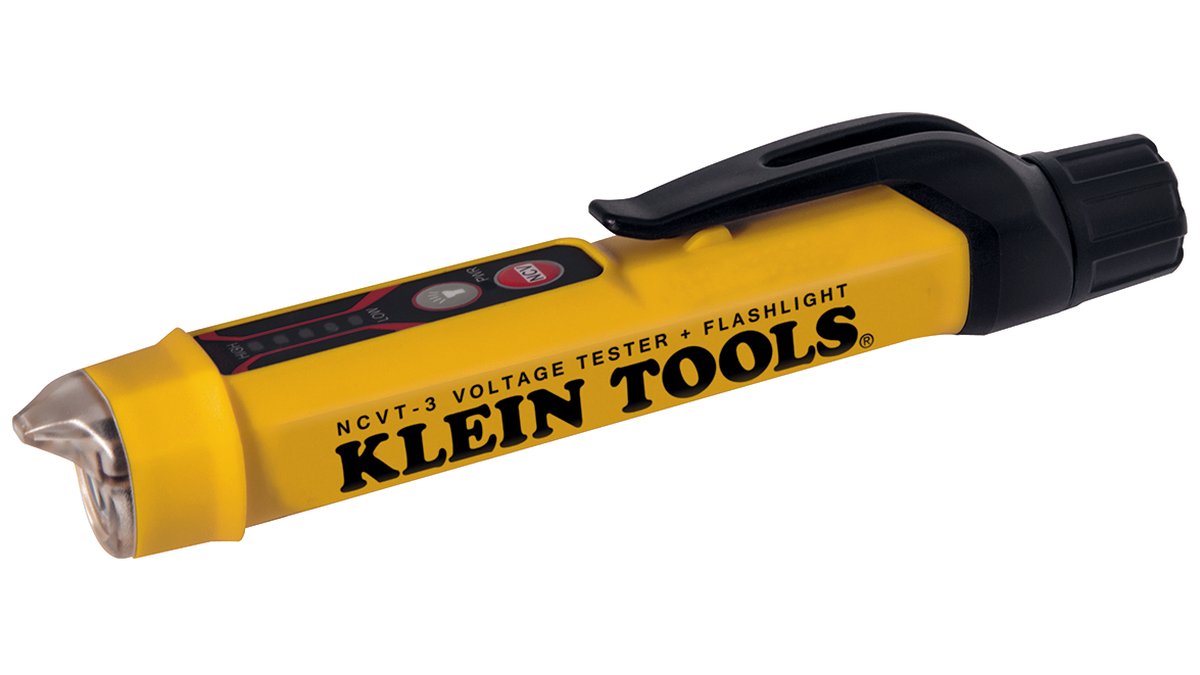
- Voltage tester or detector — a non-contact voltage tester checks whether a wire or outlet is live without touching a bare conductor, and is the first tool used before any other work begins on a circuit.
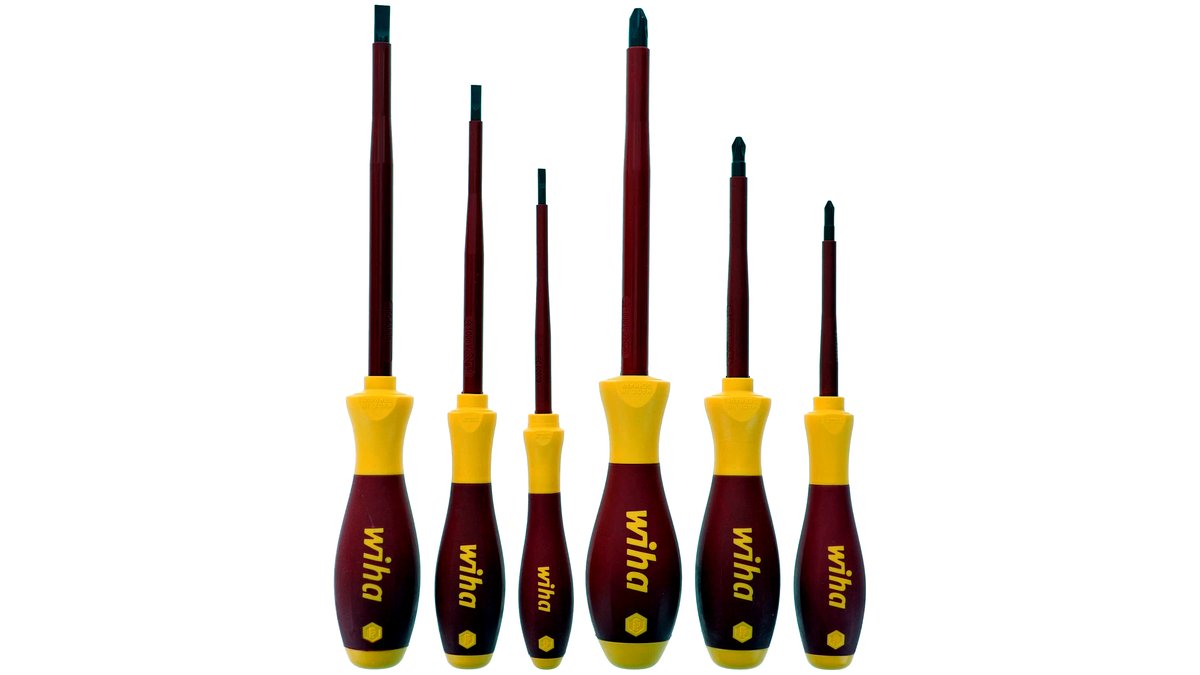
- Insulated hand tools — screwdrivers, pliers, and wire cutters rated and marked for electrical work carry an insulation voltage rating (commonly up to 1000V on quality insulated tools) printed on the handle; uninsulated hardware-store tools don’t carry this protection.
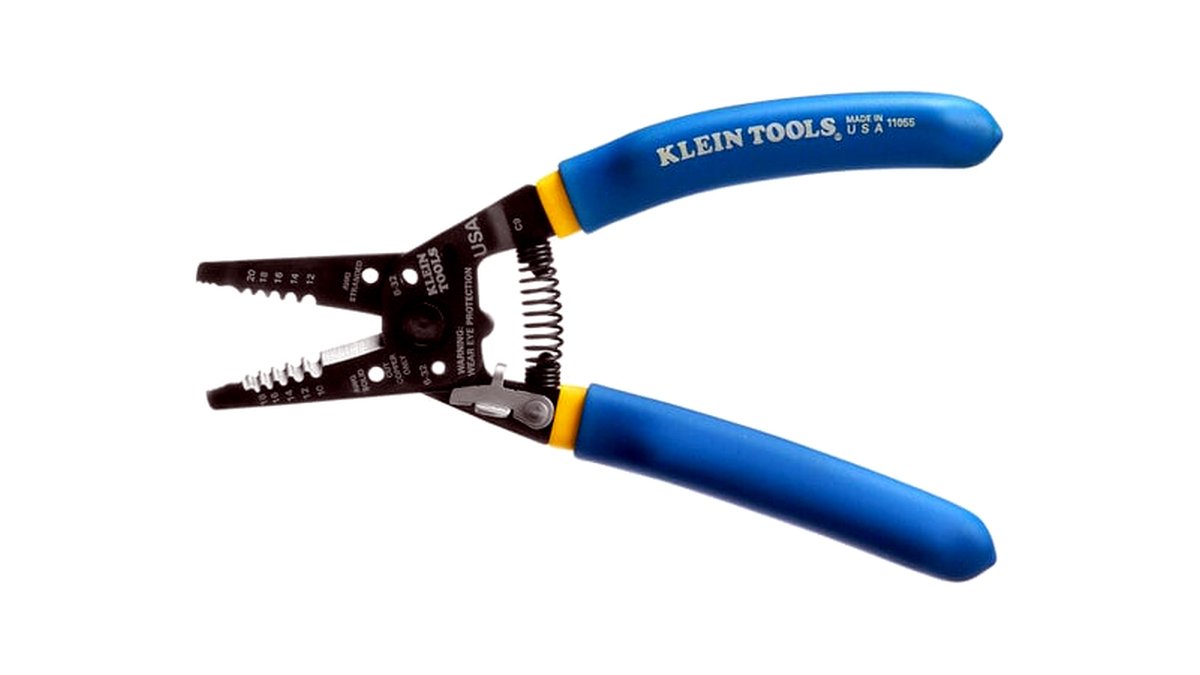
- Wire strippers and crimpers — sized to the gauge of wire being worked on; a stripper that’s the wrong size either nicks the copper conductor or fails to fully remove the insulation.
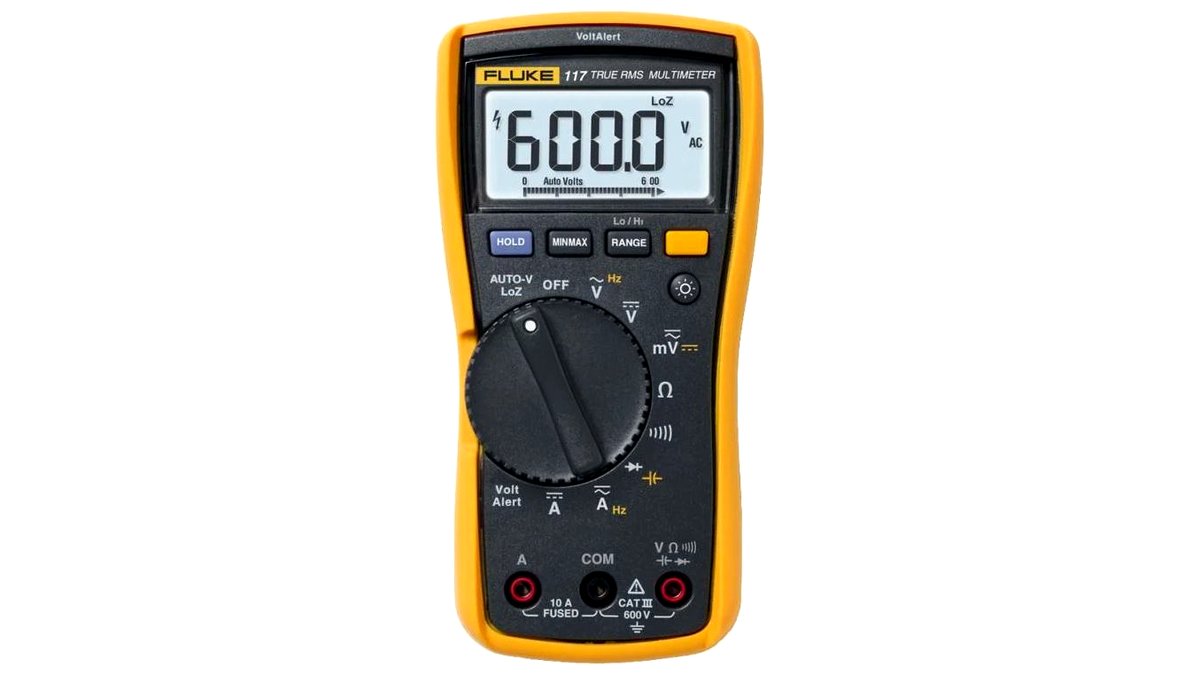
- Multimeter or clamp meter — a multimeter checks voltage, continuity, and resistance; a clamp meter adds non-contact current measurement, more useful for diagnosing load issues than basic household tasks.
- Personal protective equipment — insulated or rubber-soled footwear, and in some cases insulated gloves, are standard practice for anyone working on live or potentially live circuits.
A core kit built around an insulated screwdriver set, a non-contact voltage tester, and insulated pliers suits most homeowners doing basic, low-voltage electrical tasks, while a full electrician’s kit with a clamp meter, insulated hand tool set rated to a specific voltage class, and dedicated wire strippers suits anyone doing electrical work regularly or professionally.
As an Amazon Associate, we earn from qualifying purchases made through links on this page.
What Belongs in an Electrical Tool Kit
Electrical work has a smaller margin for the wrong tool than most other trades, since the wrong tool — or an uninsulated one — introduces a real shock or short-circuit risk rather than just a worse result.
- Voltage tester or detector — a non-contact voltage tester checks whether a wire or outlet is live without touching a bare conductor, and is the first tool used before any other work begins on a circuit.
- Insulated hand tools — screwdrivers, pliers, and wire cutters rated and marked for electrical work carry an insulation voltage rating (commonly up to 1000V on quality insulated tools) printed on the handle; uninsulated hardware-store tools don’t carry this protection.
- Wire strippers and crimpers — sized to the gauge of wire being worked on; a stripper that’s the wrong size either nicks the copper conductor or fails to fully remove the insulation.
- Multimeter or clamp meter — a multimeter checks voltage, continuity, and resistance; a clamp meter adds non-contact current measurement, more useful for diagnosing load issues than basic household tasks.
- Personal protective equipment — insulated or rubber-soled footwear, and in some cases insulated gloves, are standard practice for anyone working on live or potentially live circuits.
Top Picks at a Glance
| Type / tier | Best for | Key stated specs | Limits |
|---|---|---|---|
| Basic insulated screwdriver and pliers set (budget to mid-range) | Homeowners doing outlet, switch, and fixture-level tasks | Makers typically list insulation ratings up to 1000V on the handles with a small assortment of common tip sizes | Limited tool variety; doesn’t cover wire stripping, crimping, or diagnostics |
| Non-contact voltage tester (budget) | Anyone doing any electrical task, as a first-line safety check | Listed with audible/visual alerts and a detection range stated by the maker for AC voltage presence | Doesn’t measure exact voltage, only presence; not a substitute for a multimeter |
| Full insulated electrician’s tool set (premium) | Regular DIY electrical work or professional use | Sets in this tier commonly list VDE or similar insulation certification, multiple tool types, and a dedicated storage case | Higher cost; more tools than most occasional-use homeowners need |
| Digital multimeter (mid-range) | Diagnosing circuits, checking continuity, confirming voltage | The maker typically lists auto-ranging voltage/resistance/continuity measurement and a CAT safety rating | Reading a multimeter correctly has a learning curve for first-time users |
Fit, Ratings, and Safety Notes
An insulation voltage rating only protects up to the stated voltage, and only while the insulation is intact — cracked, worn, or damaged insulated tool handles should be retired rather than trusted at their original rating. For household electrical work, 1000V-rated insulated hand tools cover standard residential voltages with a safety margin; higher-voltage work calls for tools rated and certified for that specific class, which isn’t typical household territory.
A CAT (measurement category) rating on a multimeter or clamp meter indicates what level of electrical environment it’s safe to use in — CAT II and CAT III cover most household circuit work, while higher categories apply to utility-level and industrial settings. Using a meter rated below the environment it’s used in is a real safety gap, not just a performance limitation.
Electrical work beyond basic fixture, switch, and outlet-level tasks — panel work, new circuits, anything involving the main service — should go to a licensed electrician, and always follow local electrical code and the manufacturer’s manual for any fixture or device being installed. Turning off power at the breaker and confirming it’s off with a voltage tester, every time, before touching any conductor, is standard practice regardless of how experienced the person doing the work is.
Pick X If…
| Pick this if… | Recommended type |
|---|---|
| You’re doing occasional outlet, switch, or fixture tasks around the house | Basic insulated screwdriver and pliers set plus a voltage tester |
| You want the simplest possible first-line safety check before any task | Non-contact voltage tester |
| You do electrical work regularly or professionally | Full insulated electrician’s tool set with certified ratings |
| You need to diagnose circuits rather than just install fixtures | Digital multimeter with an appropriate CAT rating |
A Few Alternatives Worth Knowing About
Insulated nut drivers and socket sets are worth adding for anyone working with panel covers, conduit fittings, or equipment that uses hex hardware rather than screws.
Fish tape or wire-pulling tools come up for anyone running new cable through walls or conduit, which is a different skill set from fixture-level repair and often best left to a professional unless the person has specific training.
Label makers and circuit mapping tools aren’t safety equipment, but electricians commonly recommend them for keeping a panel clearly labeled, which reduces the chance of working on the wrong circuit later.
Building the Kit Over Time
Most people working on household electrical tasks don’t need every tool in a professional kit from day one, and reviewers commonly suggest building a kit in a logical order: a non-contact voltage tester and a basic insulated screwdriver set first, since those two cover the most frequent small tasks, followed by insulated pliers and a wire stripper/cutter once wiring-level work comes up, and a multimeter later once diagnostic work beyond simple installation becomes necessary.
Storage and organization matter more for electrical tools than for general-purpose hardware, since a tool with cracked or degraded insulation needs to be identified and retired quickly rather than mixed in with a general toolbox where damage might go unnoticed. A dedicated case or pouch for insulated and electrical-specific tools, kept separate from tools used for other trades, makes it easier to spot wear and keeps the insulated set from getting damaged by heavier, uninsulated tools rattling against them in storage.
Replacing consumables — test leads, probe tips, and batteries in a multimeter or voltage tester — on a regular schedule rather than waiting for a failure during actual work is a habit several manufacturers recommend in their product manuals, since a meter or tester that fails silently (reads incorrectly rather than simply not turning on) is a more serious safety gap than one that visibly stops working.
Frequently Asked Questions
Are insulated tools necessary for basic household electrical tasks?
Yes — even simple tasks like replacing an outlet or switch involve working near conductors that could be live if power wasn’t fully cut, and insulated tools provide a layer of protection that uninsulated hardware-store tools don’t. A voltage tester to confirm the circuit is off adds another layer on top of insulated tools.
What does the voltage rating on an insulated tool actually mean?
It indicates the maximum voltage the tool’s insulation is rated to protect against, typically under a specific testing standard noted by the manufacturer. It doesn’t mean the tool is safe to use on live circuits as routine practice — standard safe practice is still to de-energize the circuit before working on it.
Do I need a multimeter, or is a voltage tester enough?
A non-contact voltage tester tells you whether a circuit is live, which covers most basic safety-check needs. A multimeter adds the ability to measure exact voltage, check continuity, and test resistance, which matters more for diagnosing a problem than for simple installation or replacement tasks.
Can I work on my home’s electrical panel myself?
This depends on local code, the scope of the work, and personal experience level — panel work carries higher risk than fixture-level tasks, and many jurisdictions require licensed electricians or permits for panel modifications. When in doubt, a licensed electrician is the safer and often legally required route.
How do I know if my electrical tools are rated for the voltage I’m working with?
The insulation voltage rating is printed on the tool handle, typically alongside a certification mark from the testing standard the manufacturer used. Checking that rating against the voltage of the circuit being worked on, with a safety margin, is standard practice before using any insulated tool.
What should I do if a tool’s insulation looks cracked or worn?
Retire it — damaged insulation no longer reliably provides the protection the original rating assumed, and a cracked handle on an electrical tool is a safety issue, not just cosmetic wear. Manufacturers generally recommend replacing insulated tools once the insulation is visibly compromised.