Our Short List of 3

- Best for: growers with a fast-climbing monstera or pothos who want one support that extends in stages to a tall final height, and who will keep a moss surface moist.

- Best for: a first moss pole for a monstera or philodendron, where included rope and tape mean nothing else needs to be gathered before setup.

- Best for: growers who want a taller stackable coir pole than the common 48-inch kits, with rope and tape included, for a climber that is already well grown.
All 5 Picks at a Glance
| Product | Specs | Action |
|---|---|---|
| 1. DUSPRO Stackable Mesh Moss Pole, 4-Pack |
| Check price on Amazon |
| 2. The Blooming Jungle Moss Pole Kit, 4-Pack 16-Inch |
| Check price on Amazon |
| 3. ALENEY Moss Pole, 4-Pack 17-Inch |
| Check price on Amazon |
 4. K-Brands Bendable Moss Pole, 2-Pack 28-Inch |
| Check price on Amazon |
 5. Fabulas Moss Pole, 4-Pack 16-Inch |
| Check price on Amazon |
Key takeaways
- Compare five plant supports for indoor plants: stackable moss poles with coir and forest moss surfaces, listed heights, core materials and fixing methods.
As an Amazon Associate, we earn from qualifying purchases made through links on this page.
A climbing houseplant grows the way it does because, in the wild, it climbs. Monstera, pothos, philodendron, hoya and syngonium send out aerial roots that grip bark as the stem rises toward brighter light. In a pot, there is no trunk to grip, so the plant sprawls sideways, new leaves stay small, and long stems drape over the pot edge. A plant support gives that habit something to work against indoors, and for climbing species the matching support is a moss pole: a vertical core wrapped in a fibrous surface that aerial roots can enter and hold.
The five supports in this roundup are all moss poles documented by their makers for indoor potted plants, but they solve the same job in different ways. Three are built from stackable sections, so the support grows taller as the plant does. One is a bendable pair that you shape by hand around the stems you already have. They differ in surface material, too: one uses natural forest moss held in a plastic mesh, while the rest use coconut coir, the husk fibre most totem poles are wrapped in. They also differ in how the plant is fixed to the pole: some kits include rope or tape for tying stems in place, others leave the tying material to you.
This guide compares the five on the points that decide whether a support works in a real pot: how height adjusts, what the pole is made of, how stems are fixed to it, and where each design runs out of room. If your plant does not climb, a simple ring or stake may suit it better; every pick below is aimed at climbing plants that produce aerial roots.
What to look for in an indoor plant support
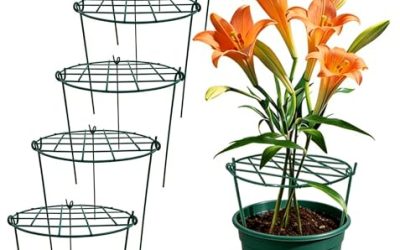
Match the support to the growth habit. Moss poles serve climbers with aerial roots: monstera, pothos, philodendron, syngonium, hoya and similar plants. The fibrous surface matters because roots attach to it and, on a kept-moist pole, grow into it, steadying the stem far better than tying alone. Plants that simply lean, such as a tall snake plant, do not use a pole surface this way and are better served by a ring or hoop support, a different product type from everything listed here.
Count usable height, not headline height. A pole’s listed length includes the part buried in the potting mix, and several inches of any pole sit below the soil line to keep it anchored. A 48-inch assembled pole therefore gives you noticeably less than 48 inches of climbing surface above the pot. Stackable designs handle this best over time: you begin with one or two sections and add another when the leading stem reaches the top, instead of replacing the whole support.
Surface material changes the care routine. Forest moss holds water well and gives aerial roots a soft, dense surface to enter, but it only works as a rooting surface while it stays damp, so it needs regular misting or watering from the top. Coconut coir is tougher and slower to break down, and roots grip its coarse fibres readily, though it dries faster than moss and holds less moisture against the stem. The choice is between a pole kept moist for active root attachment and one that mainly provides grip and structure.
Look at the core and the fixing method. Inside the fibre there is always a core: PVC pipe, a plastic shell, or a bendable metal or aluminium centre. A rigid core suits straight, tall growth. A bendable core suits plants that already lean or trail, because you shape the support to the plant instead of forcing the plant to the support. Fixing matters just as much. Stems should be tied loosely with something soft or adjustable: jute rope, hook-and-loop plant tape, or the adhesive tape some kits supply. Either way, the tie holds the stem against the surface until the aerial roots take over.
Check pot fit before height. A pole of 1.8 inches in diameter needs a pot wide and deep enough to hold it upright once a heavy plant is tied to the top. Slim poles under an inch across suit smaller pots and lighter vines. A support that wobbles in a shallow pot will lean as the plant gains weight, so pot depth is part of the support system.
1. DUSPRO Stackable Mesh Moss Pole, 4-Pack
- Best for: growers with a fast-climbing monstera or pothos who want one support that extends in stages to a tall final height, and who will keep a moss surface moist.
growers with a fast-climbing monstera or pothos who want one support that extends in stages to a tall final height, and who will keep a moss surface moist.
DUSPRO builds this pole differently from the coir totems below it. The surface is natural forest moss held inside a premium plastic mesh, over an inner shell and handle rod of durable PVC plastic, so there is no wooden stake inside to rot and no metal to rust. The four sections stack: each section is 22 inches long and 1.8 inches in diameter, two sections together stand about 39 inches, and the full set of four reaches a listed 71 inches, the tallest assembled height in this roundup.
A young monstera can begin on two sections, and when the leading stem passes the top you add a section in about a minute rather than pulling an established pole out of the pot. The forest moss surface is the other draw: DUSPRO points to the moss’s high absorption and moisture retention, which is what encourages aerial roots to cling and grow in rather than merely rest against the pole. The maker lists it for monstera, pothos, philodendron, rhaphidophora, syngonium, hoya and anthurium, among other indoor climbers.
The 71-inch figure needs all four sections in one stack, and the buried lower section means the climbing surface above the soil is shorter than the headline number. Forest moss only works as a rooting surface while damp, so this pole asks for a misting routine the coir poles are less strict about. The pack is centred on the poles themselves, so plan on supplying your own soft ties for the first stems. DUSPRO also cautions against use in high wind, no obstacle indoors but a sign the design is aimed at the home rather than an exposed balcony.
2. The Blooming Jungle Moss Pole Kit, 4-Pack 16-Inch
- Best for: a first moss pole for a monstera or philodendron, where included rope and tape mean nothing else needs to be gathered before setup.
a first moss pole for a monstera or philodendron, where included rope and tape mean nothing else needs to be gathered before setup.
The Blooming Jungle kit is the most complete fixing package in this group. Four stackable coir sections, each 16 inches long and 1.8 inches in diameter, assemble to a listed 48 inches. The core is reinforced PVC with a pointed stake at the base, and the box includes two ways to attach stems: 16 feet of jute rope and 6.6 feet of hook-and-loop tape. Having both matters: rope suits thicker stems, while the tape can be loosened and redone as a stem thickens.
Coir is the working surface here: a coarse coconut fibre that aerial roots can grip, wrapped around the core in the classic totem format. The stackable sections give the same grow-with-the-plant path as the DUSPRO, in shorter steps, adding a section when the plant outgrows the current top.
At 48 inches assembled, this kit tops out well below the DUSPRO’s 71 inches, so a vigorous climber in a large pot will outgrow it sooner. The pointed end that anchors the pole also needs care going in and coming out, for your hands and for the root ball it passes through. Dimensions vary by the configuration chosen on the listing, so confirm the section count of the exact variant first.
3. ALENEY Moss Pole, 4-Pack 17-Inch
- Best for: growers who want a taller stackable coir pole than the common 48-inch kits, with rope and tape included, for a climber that is already well grown.
growers who want a taller stackable coir pole than the common 48-inch kits, with rope and tape included, for a climber that is already well grown.
ALENEY’s set sits between the two kits above on height. Four poles of natural coconut fibre, each 17 inches long, stack to a listed total of up to 56 inches. The set includes two rolls of adhesive tape and two lengths of garden jute rope, so, like the Blooming Jungle kit, it arrives with its fixing materials in the box, and with two different kinds: rope for a firm hold on mature stems, tape for quick attachment of new growth.
The coir surface and tube format are the standard totem arrangement, and the maker positions the set for climbing indoor and outdoor plants, including monstera and other potted climbers trained on sphagnum or coir poles. The extra eight inches over the 48-inch kits matters for a plant already tall at repotting time.
The poles end in pointed tips, which the maker flags for careful handling during insertion and removal. And the fixing mix leans on adhesive tape, which does not re-open and adjust the way hook-and-loop tape does; once a taped section is set, repositioning a stem usually means cutting the tape and applying a fresh piece. The 56-inch ceiling is also fixed by the four sections in the box, so a plant headed past that height needs either a second set or a different support.
4. K-Brands Bendable Moss Pole, 2-Pack 28-Inch
- Best for: shaping support around a leaning or trailing climber in a small to medium pot, where a straight stackable pole does not fit the plant’s current form.
shaping support around a leaning or trailing climber in a small to medium pot, where a straight stackable pole does not fit the plant’s current form.
K-Brands takes the opposite approach to the stackable kits: instead of adding height in sections, its two 28-inch poles bend. Each pole is real coco coir over a bendable centre, 0.89 inches in diameter, and the bend holds its shape once formed. That lets you curve the support around an existing plant, follow a stem that leans toward the light, or run a gentle arc along a shelf, instead of forcing the plant onto a straight vertical line.
The slimmer profile suits smaller pots that would look crowded with a 1.8-inch totem, and the pair can be split between two plants or used together on one larger specimen. K-Brands lists the poles for monstera, pothos and philodendron and describes them as holding heavier, maturing vines upright, with pointed ends that anchor into the mix.
The specification sheet sets clear boundaries. Twenty-eight inches is a fixed length: the supplied facts describe no stacking or extension path, so a plant that outgrows the pole needs a new support rather than another section. The narrow diameter that makes the pole discreet also gives aerial roots a smaller surface to colonise than the wider totems provide. Because the shape is set by hand, the maker’s guidance stresses secure anchoring so the stake cannot work loose under a heavy stem.
5. Fabulas Moss Pole, 4-Pack 16-Inch
- Best for: a simple, standard stackable coir pole for a young monstera, pothos or philodendron, where included guidance matters more than included ties.
a simple, standard stackable coir pole for a young monstera, pothos or philodendron, where included guidance matters more than included ties.
Fabulas sells the straightforward version of the stackable coir pole. Four 16-inch sections, each 1.8 inches in diameter, extend to a stated 48 inches, and the set is documented for the standard climbing roster: monstera, pothos and philodendron, plus houseplant support generally, indoors or out. The coir surface is described by the maker as absorbent, helping retain water and nutrients against the stem so aerial roots are less likely to dry out between waterings.
Instructions for installation and for attaching the plant gently are included, which makes this a reasonable first pole for someone who has not set one up before. The format matches the other stackable kits: begin with the height the plant needs now, add a section when the leading stem reaches the top.
Accessory detail is thin compared with the kits above: no rope or tape is documented as included, so tying material is a separate item to have on hand. The sharpened stakes need the usual care during installation and secure anchoring afterward, per the maker’s safety notes. And 48 inches is the stated assembled ceiling, the joint-lowest maximum in this roundup alongside the Blooming Jungle kit, so fast, tall climbers will reach the top of it sooner.
Comparison table
| Product | Format | Max listed height | Surface | Core and fixing |
|---|---|---|---|---|
| DUSPRO Stackable Mesh Moss Pole, 4-Pack | Stackable sections | 71 inches (4 sections) | Forest moss in plastic mesh | PVC shell; ties not documented as included |
| The Blooming Jungle Moss Pole Kit | Stackable sections | 48 inches (4 sections) | Coconut coir | Reinforced PVC core, pointed stake; 16 ft jute rope and 6.6 ft hook-and-loop tape included |
| ALENEY Moss Pole, 4-Pack | Stackable sections | 56 inches (4 sections) | Natural coconut fibre | Pointed tips; two rolls of adhesive tape and two jute ropes included |
| K-Brands Bendable Moss Pole, 2-Pack | Bendable pair | 28 inches per pole, fixed | Real coco coir | Bendable centre, pointed ends; no stacking documented |
| Fabulas Moss Pole, 4-Pack | Stackable sections | 48 inches (4 sections) | Coconut coir | Sharpened stakes; instructions included, ties not documented |
Frequently asked questions
How tall should a support be for a monstera?
Taller than the plant’s current longest stem, with room to grow into. Part of any pole sits buried in the mix, so choose by the height above the soil line, and favour a stackable design if the plant is young and fast-growing, since sections can be added without disturbing attached roots.
What is the difference between a moss pole and a plain stake or trellis?
A plain stake or trellis holds a stem up by tying alone. A moss pole adds a fibrous, moisture-holding surface that aerial roots can grip and grow into, so the plant eventually holds itself. Climbers with aerial roots use that surface; plants without them gain little from it.
How do you attach stems without damaging them?
Tie loosely with something soft or adjustable, such as jute rope or hook-and-loop plant tape, and leave slack for the stem to thicken. Press the aerial roots gently against the pole surface as you tie, and keep the surface damp so the roots take over the holding work.
Does a moss pole need to stay moist?
For root attachment, yes. Aerial roots grow into a damp surface and stall on a dry one. Forest moss holds moisture longest; coir dries faster and benefits from misting or a slow pour of water down the pole at watering time. A dry pole still works as a tying post, but not as a rooting surface.
When should another section be added to a stackable pole?
When the leading stem reaches the top section. Add the section then, while the newest growth is still flexible, rather than waiting until a long stem hangs unsupported and hardens into a trailing shape.
Conclusion
For most indoor climbers, the deciding factors are how the support gains height and how the plant is fixed to it. The DUSPRO set is the pick for height and for a true moss rooting surface, reaching 71 inches in stackable forest-moss sections. The Blooming Jungle kit is the most complete package, with rope and hook-and-loop tape in the box. ALENEY stretches the stackable coir format to 56 inches with tape and rope included. K-Brands serves a different problem entirely, bending to fit plants that already lean or trail. Fabulas covers the standard case simply, with guidance included. Match the pole to the plant’s habit and its pot, keep the surface damp, and the support turns a sprawling vine into an upright plant.