Our Short List of 3

- Best for: A row or group of tall delphinium spikes in an open border.
- Brand: FEED GARDEN
- Item length: 48 inches
- Diameter listed: 0.42 inch
- Material listed: steel and green plastic coated

- Best for: One ring per prized spike in a tidy, visible border.
- Brand: Dreecy
- Item length: 36 inches
- Number of pieces: 12
- Material type: Alloy Steel

- Best for: Exposed beds where a thicker stake matters more than a ring.
- Brand: SYITCUN
- Item length: 36 inches
- Wire thickness listed: 6mm
- Diameter listed: 2.2 inches
All 4 Picks at a Glance
| Product | Specs | Action |
|---|---|---|
| FEED GARDEN Garden Stakes 48 Inch, 25 Pack |
| Check price on Amazon |
| Dreecy 36 Inch Plant Support Stakes, 12 Pack |
| Check price on Amazon |
| SYITCUN 36 Inch Tall Plant Stakes, 12 Pack |
| Check price on Amazon |
 ROMODEN Garden Stakes 48 Inch, 50 Pack |
| Check price on Amazon |
Key takeaways
- Four tall plant supports suited to delphinium spikes, compared by listed height, ring or stake style, and pack size, for windy borders and single show stems.
The real decision with delphinium supports is timing and height, not appearance. A delphinium spike grows tall, fills with heavy flower, and then meets one wet, windy night. If the support is too short, too flimsy, or pushed in after the plant is already leaning, the stem snaps at the base and the whole spike is lost for the season. Choosing the right height and style in spring is what decides whether the flowers stand in July.
This guide is for gardeners growing delphiniums in borders, cutting gardens, and mixed perennial beds who want supports that match a tall plant. Every product below was chosen from the name and details on its own Amazon product page, and height comes first: each listing states a stake or support length of at least thirty-six inches, because shorter rings and cages cannot hold a mature delphinium spike.
Quick Picks
As an Amazon Associate we earn from qualifying purchases.
| Product | Best for | Key spec from title |
|---|---|---|
| FEED GARDEN Garden Stakes 48 Inch, 25 Pack | A whole row of tall spikes in a border | 48 inch stakes, 25 pack |
| Dreecy 36 Inch Plant Support Stakes, 12 Pack | One ring per show stem | 36 inch, 12 pack |
| SYITCUN 36 Inch Tall Plant Stakes, 12 Pack | Thick 6mm stakes for exposed beds | 36 inch, 6mm wire |
| ROMODEN Garden Stakes 48 Inch, 50 Pack | Staking a large planting, one stake per stem | 48 inch, pack of 50 |
How to Choose
Match support height to the mature spike
Delphiniums are not a plant you can support with a short hoop and hope. The support needs to stand high enough that, once part of it is pushed into the soil, the remaining length still reaches well up the stem. That is why every pick in this guide lists a length of thirty-six or forty-eight inches. A forty-eight inch stake loses a useful share of its length to the ground and still finishes high on the plant, which suits the tallest spikes and exposed gardens. A thirty-six inch ring support suits mid-height plants and more sheltered beds, where the spike needs guidance more than bracing against hard weather.
Choose a ring for one stem or a straight stake for tying
The two styles in this guide do different jobs. A single-stem ring stake has an open loop at the top: you slip the young stem through it and the loop holds that one spike upright, which is tidy for a few prized stems in a visible border. A straight stake has no loop, so you push it in beside the stem and tie the stem to it as it grows, adjusting the ties through the season. Straight stakes scale better for a row or a cutting garden, while rings look cleaner for a handful of plants you walk past every day.
Check wire thickness and coating, not just length
A tall support that bends is no better than a short one. Listings state their build in different ways: wire thickness in millimeters, wire gauge, or a steel core under a plastic or powder coating. Thicker wire and a solid metal core matter most at the moment of failure, which is a gust of wind pushing a wet, flower-heavy spike sideways. Coatings matter for a quieter reason: a coated stake resists rust, lasts across seasons, and is gentler against a stem than bare, rough metal. If two supports list the same length, the one with the thicker stated wire is usually the safer buy for delphiniums.
Count the stems you actually need to support
Pack size changes the whole plan. A delphinium plant can send up several spikes, and a border of five plants can need fifteen or more supports by early summer. A pack of twelve ring stakes covers a small group of show stems, while packs of twenty-five or fifty straight stakes cover a full row with spares left for dahlias and lilies. Count spikes, not plants, before you order. Running out of supports in the week the flowers open is the most common failure in this whole category, and it happens to gardeners who bought for the number of plants they set out in spring.
The 4 Best Options
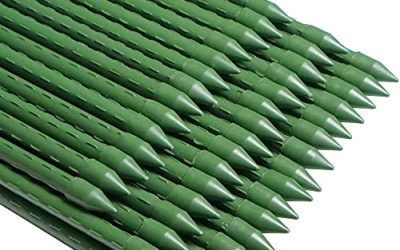
FEED GARDEN Garden Stakes 48 Inch, 25 Pack
- Best for: A row or group of tall delphinium spikes in an open border.
- Brand: FEED GARDEN
- Item length: 48 inches
- Diameter listed: 0.42 inch
- Material listed: steel and green plastic coated
A row or group of tall delphinium spikes in an open border.
These are straight stakes with no ring, so you need your own ties and must add them as the stems grow.
This is the workhorse choice for a border of tall delphiniums. The listing states a length of forty-eight inches and a diameter of 0.42 inch, made of steel with a green plastic coating for weather protection, in a pack of twenty-five. That height is the point: pushed well into the soil, a four-foot stake still stands high enough to tie a mature spike at more than one point. It suits gardeners staking a row or a group rather than one specimen, and the green coating helps the stakes disappear into foliage once the plants fill out.
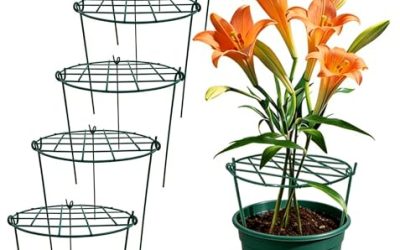
Dreecy 36 Inch Plant Support Stakes, 12 Pack
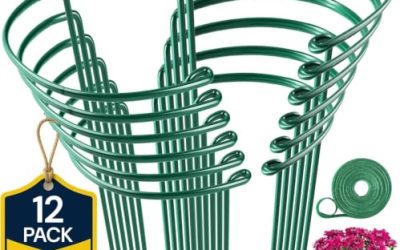
- Best for: One ring per prized spike in a tidy, visible border.
- Brand: Dreecy
- Item length: 36 inches
- Number of pieces: 12
- Material type: Alloy Steel
One ring per prized spike in a tidy, visible border.
At thirty-six inches, these suit mid-height spikes and sheltered beds better than the tallest plants in an exposed garden.
The Dreecy stakes are the ring option for gardeners who support one stem at a time. The listing copy describes a twelve pack of thirty-six inch single stem support stakes with a three inch open ring, made from powder-coated steel in a dark green finish. The open ring is the appeal: a young delphinium stem slips through it without forcing, and the ring then holds that spike upright with no tying at all. It suits a smaller, more visible planting, a few plants near a path or a seating area, where loose ties and tall bare stakes would look untidy.
SYITCUN 36 Inch Tall Plant Stakes, 12 Pack
- Best for: Exposed beds where a thicker stake matters more than a ring.
- Brand: SYITCUN
- Item length: 36 inches
- Wire thickness listed: 6mm
- Diameter listed: 2.2 inches
Exposed beds where a thicker stake matters more than a ring.
The thirty-six inch length gives less height in reserve than the forty-eight inch options once the stake is pushed into the ground.
The SYITCUN listing leads with build rather than rings: thirty-six inch tall stakes in a pack of twelve, with a wire thickness of 6mm where the listing notes standard supports use a thinner wire, a solid metal interior, and a top diameter of 2.2 inches. It also bundles plant ties, which the listing puts at twenty-four in the pack. This suits a gardener whose beds catch the wind and who has watched thinner stakes flex, and who wants a straight stake thick enough to stay straight when a wet spike leans its full weight against it.
ROMODEN Garden Stakes 48 Inch, 50 Pack
- Best for: A large planting where every spike gets its own tall stake, with spares for the rest of the garden.
- Brand: ROMODEN
- Item length: 48 inches
- Number of pieces: 50
- Material listed: Alloy Steel, Plastic
A large planting where every spike gets its own tall stake, with spares for the rest of the garden.
Fifty plain stakes is far more than a small border needs, and you still supply your own ties for delphinium stems.
The ROMODEN pack is the scale option: fifty stakes, each forty-eight inches long, made from plastic coated steel. The listing describes them as plant sticks for supporting and securing plants and for building trellises or teepees for climbing plants, which tells you the style plainly: plain, straight, versatile stakes in bulk. It suits a large delphinium planting, a cutting garden, or anyone who also stakes tomatoes, beans, and other tall plants and wants one big pack to cover the whole garden rather than a different support for every bed.
Which One Fits Your Situation
You grow a row of tall delphiniums in an open border
Choose the FEED GARDEN forty-eight inch stakes. Height is your main risk, and these give you the most of it, with a stated diameter that suits tying a heavy spike at two points. Twenty-five stakes cover a real row. Push them in while the plants are still young, tie loosely at first, and add a higher tie as each spike extends, rather than waiting until the flowers open.
You have a few prized plants near a path or patio
Choose the Dreecy ring stakes. A single stem through an open ring looks clean, needs no ties, and keeps one spike upright without a thicket of stakes and string in a spot you see up close. The thirty-six inch length fits this sheltered, mid-height situation well. If one plant sends up an extra tall spike, give that stem a taller straight stake and keep the rings for the rest.
Your garden is windy and thin stakes have bent before
Choose the SYITCUN stakes. Their listing states a 6mm wire thickness and a solid metal interior, which decides whether a stake flexes when a wet spike leans on it. The bundled ties mean you can stake and tie in one session. Because these are thirty-six inches long, push them in firmly and tie the spike at the highest useful point.
You are planting delphiniums at scale this year
Choose the ROMODEN fifty pack. New plantings always produce more spikes than expected, and a bulk pack of forty-eight inch stakes means no stem goes unsupported in the week it matters. The plain tube style also works for the tomatoes and beans sharing the garden, so leftovers are not wasted. Store the unused stakes flat and dry at the end of the season so the coating stays intact for the next planting.
Common Mistakes
- Buying short rings or cages under thirty-six inches for a plant whose mature spike towers over them.
- Waiting until the flowers open and the stems lean before staking, instead of supporting the plant while it is still growing upright.
- Counting plants instead of spikes, then running out of supports in the week the border comes into flower.
- Tying a stem tightly in one place, so the tie cuts in or the stem snaps above it, instead of tying loosely at more than one height.
- Pushing a stake in too shallowly, so the whole support rocks and falls with the plant in the first strong wind.
Frequently Asked Questions
How tall should a delphinium support be?
Work from the listings in this guide: thirty-six inches is the floor, and forty-eight inches is better for tall spikes and exposed gardens. Part of the stake sits in the soil, so the useful height above ground is always less than the stated length. If your plants are the tallest in the border and your garden catches the wind, choose the longer stake.
Should I use a ring support or a straight stake?
Use a ring when you have a few stems and want a tidy finish with no tying: the stem grows through the open loop and is held on its own. Use a straight stake when you have many spikes, very tall plants, or stems that need tying at more than one height. Many gardeners mix both, rings at the front and tall straight stakes behind.
When should supports go in?
Put them in while the plants are still young and growing upright, well before the flower spikes extend. A ring support only works if the stem grows up through it, and a straight stake is far easier to place before the plant is wide and tall. Adding support after a stem has leaned usually means forcing it back upright, which is how brittle delphinium stems get snapped at the base.
Can I reuse these supports next season?
The listings describe steel stakes with plastic or powder coatings, built to be used again rather than replaced each year. Reuse works best if you lift the stakes at the end of the season, clean off the soil, and store them somewhere dry. Check each stake for bends before the new season and retire any that no longer stand firm.