Our Short List of 3
All 5 Picks at a Glance
| Product | Specs | Action |
|---|---|---|
 1. Race Ramps RR-TR-4 | Check price on Amazon | |
 2. Race Ramps RR-TR-5 | Check price on Amazon | |
 3. Race Ramps RR-TR-6 | Check price on Amazon | |
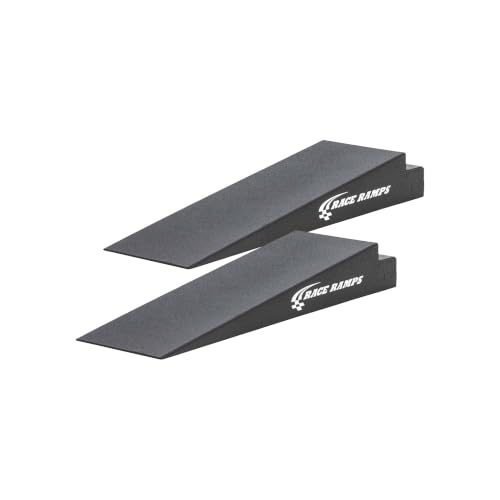 4. Race Ramps RR-TR-8 | Check price on Amazon | |
 5. Race Ramps RR-TR-8XL | Check price on Amazon |
Key takeaways
- Find the best race ramps trailer ramps for loading a low car onto a trailer without scraping, with the right rise, length, and load figure for the job.
Disclosure: As an Amazon Associate, this site may earn from qualifying purchases made through links on this page.
Intro
A race car sits low, and a trailer door sits high. The gap between them is where front splitters scrape, undertrays crack, and loading turns into a slow, careful crawl. Trailer ramps close that gap with a long, shallow approach, and Race Ramps owns this niche on Amazon US. Every pick in this guide is a Race Ramps trailer ramp, because no other maker sells the same kind of solid-core foam trailer ramp with a verifiable live listing in this session.
All five picks share the same construction: solid high-density foam with a traction coating, no hollow core, and a textured surface that stays put on a trailer floor. They differ in rise height, length, and width, and those three numbers decide which ramp fits a given car and trailer. The lowest ramp here rises 4 inches; the tallest rises 8 inches. Each ramp carries a listed load figure of 1,500 lb, so a pair handles 3,000 lb across the two ramps.
One distinction matters before anything else. These are loading ramps, not service ramps. They sit at the trailer door and give a low car a gentle climb into the trailer. Race Ramps also sells service ramps for lifting a car in a garage, such as the 56-inch RR-56-2 and the 67-inch XT models, and those are a different product for a different job. They are not picks in this guide, and they should not be used as trailer ramps.
Every ramp below was checked live on its Amazon US listing on two separate fetches, with a working buy box and no out-of-stock notice. Dimensions and load figures come from the listings. Two listings carry a garbled dimension field on the page, and this article says so plainly for those picks rather than guessing the numbers.
At a Glance
- Race Ramps RR-TR-4 — the lowest rise here, 4 inches; 46 inches long, 14 inches wide.
- Race Ramps RR-TR-5 — the middle rise, 5 inches; the most common trailer-ramp size in this line.
- Race Ramps RR-TR-6 — a 6-inch rise; 45 inches long, 14 inches wide.
- Race Ramps RR-TR-8 — the tallest rise here, 8 inches, extra-wide for wider tires.
- Race Ramps RR-TR-8XL — extra-wide with a 6.3-degree approach angle and a notch that drops into the trailer door.
How to Choose
Rise height comes first
Measure the trailer door height, then measure the lowest point under the car: the splitter, the undertray, or the exhaust tip. The ramp must lift the car enough that the lowest point clears the door edge. A ramp that is too short leaves the splitter scraping at the transition. A ramp that is taller than needed makes the climb steeper than it has to be. The five picks here rise 4, 5, 6, and 8 inches, so match the rise to the door height and the car’s ground clearance, and leave a small margin for a car that sits lower with a full tank and a driver aboard.
Length sets the approach angle
A longer ramp gives a shallower climb, and a shallow climb is what keeps a low car from scraping. The RR-TR-8XL states a 6.3-degree approach angle, which is the gentlest figure in this guide. The RR-TR-4 measures 46 inches long and the RR-TR-6 measures 45 inches long, both 14 inches wide. When two ramps have the same rise, the longer one is the easier climb. If the trailer door is short, check that the ramp fits the door before ordering, since a long ramp needs room to sit flat.
Width must fit the tire
A ramp that is narrower than the tire leaves the tire hanging over the edge, which is unsafe and wears the ramp unevenly. The standard picks here are 14 inches wide, which fits most street and track tires. The extra-wide RR-TR-8 and RR-TR-8XL suit wider tires on cars with broad rubber. Measure the tire width on the car that will use the ramp, not the width on a different car, and choose the ramp that covers the full contact patch with room to spare.
Load figure and pair math
Each ramp in this guide lists a load figure of 1,500 lb. That figure is per ramp, so a pair carries 3,000 lb across the two ramps. Compare that with the weight on the axle that will drive up the ramps, not the whole weight of the car, since only one axle sits on the ramps at a time. A light track car is well inside the figure. A heavy sedan with a full tank and luggage needs a careful check. Never load a vehicle heavier than the listed figure, and never use a single ramp where a pair is needed.
The trailer door notch
The RR-TR-8XL has a notch, 5 inches long and 2 inches high, that drops into the trailer door so the ramp sits flush and the car rolls straight from the ramp onto the trailer floor. That notch is the difference between a smooth transition and a small lip that catches a splitter. If the trailer door has a raised edge or a hinge line, a ramp with a notch fits better than a plain ramp. Check the door edge on the trailer before choosing between a notched ramp and a plain one.
Foam, weight, and storage
Solid-core foam is the reason these ramps work for low cars. The foam is light enough to carry with one hand, it will not scratch a garage floor or a trailer floor, and it has no hollow core for pests to nest in. The RR-TR-4 weighs 4.1 kg, and the RR-TR-6, RR-TR-8, and RR-TR-8XL each weigh 15 lb on their listings. The ramps hang on a wall with their built-in straps when not in use. Aluminum ramps are stronger per pound, but they are heavier to carry, they can mark floors, and they do not suit a low car that needs a long, gentle climb as well as foam does.
The Picks
1. Race Ramps RR-TR-4
View the Race Ramps RR-TR-4 on Amazon
The RR-TR-4 is the lowest rise in this guide, and it is the pick for a trailer with a low door and a car that only needs a small lift. It measures 46 inches long, 14 inches wide, and 4 inches high, and it weighs 4.1 kg, which makes it the lowest-weight ramp in the group. The listing states a load figure of 1,500 lb per ramp and a 1-year warranty.
The low rise is the point. A 4-inch ramp gives a gentle climb for a car that already sits close to the trailer door height, and the 46-inch length keeps the approach shallow. The solid-core foam will not scratch the trailer floor, and the textured coating keeps the ramp in place while the car drives up. The listing describes the ramp as fitting all trailer doors without damage, and the unscootable design holds it steady on the floor.
The limit is the rise itself. A trailer door that sits well above the ground needs a taller ramp, and a car with a very low splitter may still touch the door edge on a 4-inch lift. Measure the door height and the lowest point under the car before ordering. For a low trailer door and a car with reasonable clearance, the RR-TR-4 is the lowest-weight and simplest ramp in this guide.
2. Race Ramps RR-TR-5
View the Race Ramps RR-TR-5 on Amazon
The RR-TR-5 is the middle rise in this line, and it is the most common trailer-ramp size Race Ramps sells. It rises 5 inches, lists a load figure of 1,500 lb per ramp, weighs 5.65 kg, and carries a 1-year warranty. The solid-core foam and textured coating match the rest of the line: no scratches on the trailer floor, no slipping while the car drives up, and a ramp light enough to carry with one hand.
The 5-inch rise suits the widest range of cars and trailers in this guide. It lifts a low car enough to clear most trailer door edges without making the climb steep, and it is the size most owners reach for first when they are unsure which rise to choose. The listing describes the ramp as a trailer loading ramp for low-profile cars, and the design fits a trailer door without damage.
One point needs a plain note. The dimension field on this listing is garbled on the page I read, showing a 10-inch cube instead of the ramp’s real length and width, so this article does not state a length or width figure for the RR-TR-5. Confirm the length and width with the seller before ordering, and measure the trailer door to make sure the ramp sits flat. The 5-inch rise, the load figure, and the warranty are all stated clearly on the listing.
3. Race Ramps RR-TR-6
View the Race Ramps RR-TR-6 on Amazon
The RR-TR-6 rises 6 inches, and it is the pick for a trailer door that sits higher than a 4-inch or 5-inch ramp can handle. It measures 45 inches long, 14 inches wide, and 6 inches high, weighs 15 lb, and lists a load figure of 1,500 lb per ramp. The listing states a 1-year warranty.
The extra inch of rise over the RR-TR-5 matters when the trailer door is high or the car is very low. Six inches of lift clears a door edge that a 5-inch ramp would leave scraping, and the 45-inch length keeps the climb manageable. The solid-core foam, textured coating, and unscootable design match the rest of the line, so the ramp stays put on the trailer floor and will not mark it.
The trade-off is the climb. A taller ramp on the same length is a steeper climb, so a car with a long front overhang may still touch the door edge at the transition. If the trailer door is high and the car is long and low, the RR-TR-8XL below, with its stated 6.3-degree approach angle, gives a gentler climb. For a straightforward high door and a car with a short overhang, the RR-TR-6 is the right size.
4. Race Ramps RR-TR-8
View the Race Ramps RR-TR-8 on Amazon
The RR-TR-8 is the tallest rise in this guide at 8 inches, and it is extra-wide for cars with broad tires. It weighs 15 lb and lists a load figure of 1,500 lb per ramp. The listing states that it is an extra-wide trailer loading ramp for low cars, with the same solid high-density foam and traction coating as the rest of the line.
The 8-inch rise suits a trailer with a high door, and the extra width suits wide track tires that would overhang a 14-inch ramp. A wider ramp also gives the driver more margin when lining the car up at the door, which helps when loading alone. The foam construction keeps the ramp light for its size, and it will not scratch the trailer floor.
Two points need a plain note. First, the dimension field on this listing is garbled on the page I read, showing a 10-inch cube, so this article does not state a length or width figure for the RR-TR-8 beyond the extra-wide description in the title. Confirm the length and width with the seller before ordering. Second, an 8-inch rise is a steep climb on a short ramp, so check the approach angle against the car’s front overhang. For a high trailer door and wide tires, the RR-TR-8 is the pick, and the RR-TR-8XL below is the gentler alternative.
5. Race Ramps RR-TR-8XL
View the Race Ramps RR-TR-8XL on Amazon
The RR-TR-8XL is the most complete trailer ramp in this guide. It is extra-wide, it states a 6.3-degree approach angle, and it has a notch 5 inches long and 2 inches high that drops into the trailer door. The listing states a load figure of 1,500 lb per ramp, and the ramp weighs 15 lb. The solid high-density foam has a traction coating, and the listing describes the ramp as lightweight with a solid core.
The approach angle and the notch are what set this ramp apart. A 6.3-degree climb is gentle enough for a very low car, and the notch lets the ramp sit flush with the trailer floor so the car rolls straight from the ramp into the trailer without catching a lip. The listing states plainly that the ramp loads a low-profile car into a trailer without scraping or removing the front bumper. For a car with a splitter, a long front overhang, or a trailer door with a raised edge, those two features matter more than an extra inch of rise.
The limit is size and weight. At 15 lb per ramp it is heavier than the RR-TR-4, and its extra width needs more room on the trailer floor and on the wall where it hangs. The dimension field on this listing is garbled on the page I read, so confirm the length and width with the seller before ordering. For the lowest cars and the most awkward trailer doors, the RR-TR-8XL is the ramp to choose.
Comparison Table
| Ramp | Rise | Length | Width | Load per Ramp | Weight |
|---|---|---|---|---|---|
| Race Ramps RR-TR-4 | 4 inches | 46 inches | 14 inches | 1,500 lb | 4.1 kg |
| Race Ramps RR-TR-5 | 5 inches | Confirm with seller | Confirm with seller | 1,500 lb | 5.65 kg |
| Race Ramps RR-TR-6 | 6 inches | 45 inches | 14 inches | 1,500 lb | 15 lb |
| Race Ramps RR-TR-8 | 8 inches | Confirm with seller | Extra-wide | 1,500 lb | 15 lb |
| Race Ramps RR-TR-8XL | 8 inches | Confirm with seller | Extra-wide | 1,500 lb | 15 lb |
Which One Fits Your Situation
- A low trailer door and a car with reasonable clearance: the RR-TR-4. Its 4-inch rise and 46-inch length give the gentlest climb for a small lift.
- A first trailer ramp, or an unknown door height: the RR-TR-5. Its 5-inch rise suits the widest range of cars and trailers.
- A higher trailer door: the RR-TR-6. Its 6-inch rise clears a door edge that a 5-inch ramp would leave scraping.
- A high door and wide tires: the RR-TR-8. Its 8-inch rise and extra width fit broad track rubber.
- A very low car, a long front overhang, or a trailer door with a raised edge: the RR-TR-8XL. Its 6.3-degree approach angle and door notch give the smoothest transition in the group.
FAQ
What is the difference between a trailer ramp and a service ramp?
A trailer ramp sits at the trailer door and gives a car a gentle climb into the trailer. A service ramp lifts a car in a garage so a person can work underneath it. Race Ramps sells both kinds, and they are not interchangeable. The RR-TR line in this guide is trailer ramps. The 56-inch RR-56-2 and the 67-inch XT models are service ramps, and they belong in a garage, not at a trailer door.
How much weight can one ramp hold?
Each ramp in this guide lists a load figure of 1,500 lb per ramp, so a pair carries 3,000 lb across the two ramps. Compare that figure with the weight on the axle that drives up the ramps, not the whole weight of the car. Never load a vehicle heavier than the listed figure, and always use the ramps as a pair.
Will foam ramps scratch my trailer floor?
No, and that is one of the reasons foam works well here. The listings describe solid high-density foam with a traction coating that will not scratch a garage floor, a driveway, or a trailer floor. The ramps also stay in place while the car drives up, thanks to the textured coating and the solid-core design.
Do I need the extra-wide ramps?
Measure the tire width on the car that will use the ramp. The standard picks are 14 inches wide, which fits most street and track tires. The extra-wide RR-TR-8 and RR-TR-8XL suit wider tires and give more margin when lining the car up at the door. A tire that overhangs the ramp edge is unsafe, so choose the width that covers the full contact patch.
Why do two listings show a garbled dimension field?
The RR-TR-5, RR-TR-8, and RR-TR-8XL listings show a 10-inch cube in the dimension field on the page I read, which is a catalog error, not the ramp’s real size. This article states only the dimensions the listings confirm, and it tells buyers to confirm length and width with the seller for those three picks. The rise height, load figure, and warranty are stated clearly on all five listings.
Final Take
For most cars and trailers, the RR-TR-5 is the ramp to buy first: a 5-inch rise, a 1,500 lb load figure per ramp, and a size that suits the widest range of doors. A low door calls for the RR-TR-4, a high door calls for the RR-TR-6, and wide tires call for the RR-TR-8. For the lowest cars and the most awkward trailer doors, the RR-TR-8XL is the ramp to choose, with a 6.3-degree approach angle and a notch that drops into the door. Measure the door height, measure the tire width, and match the rise to the car before ordering.